Trending
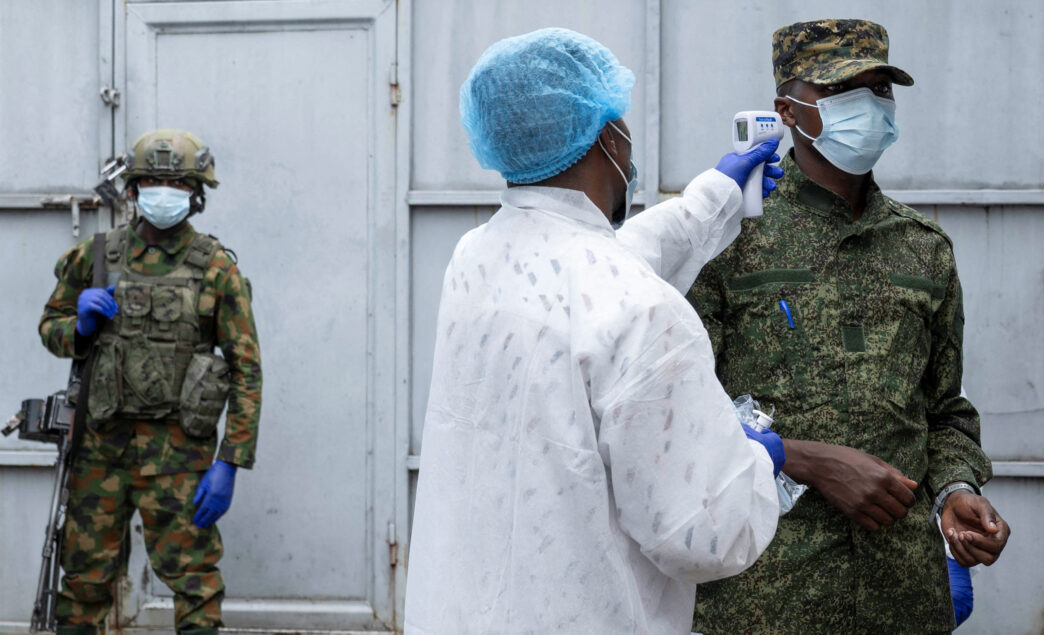
The World Health Organisation (WHO) has announced that the number of suspected Ebola cases in Central Africa has fallen to 116, down from more than 900 reported late last week, while confirmed cases have risen to 330.
As of May 31, the WHO recorded 116 suspected Ebola cases in the Democratic Republic of Congo (DRC), a significant drop from the 906 cases previously reported.
The WHO has now confirmed 321 cases in the DRC, including 48 deaths. In neighbouring Uganda, authorities have confirmed nine cases, including one fatality.
Read More : Rivers Assembly Seeks Urgent Action on Flooding
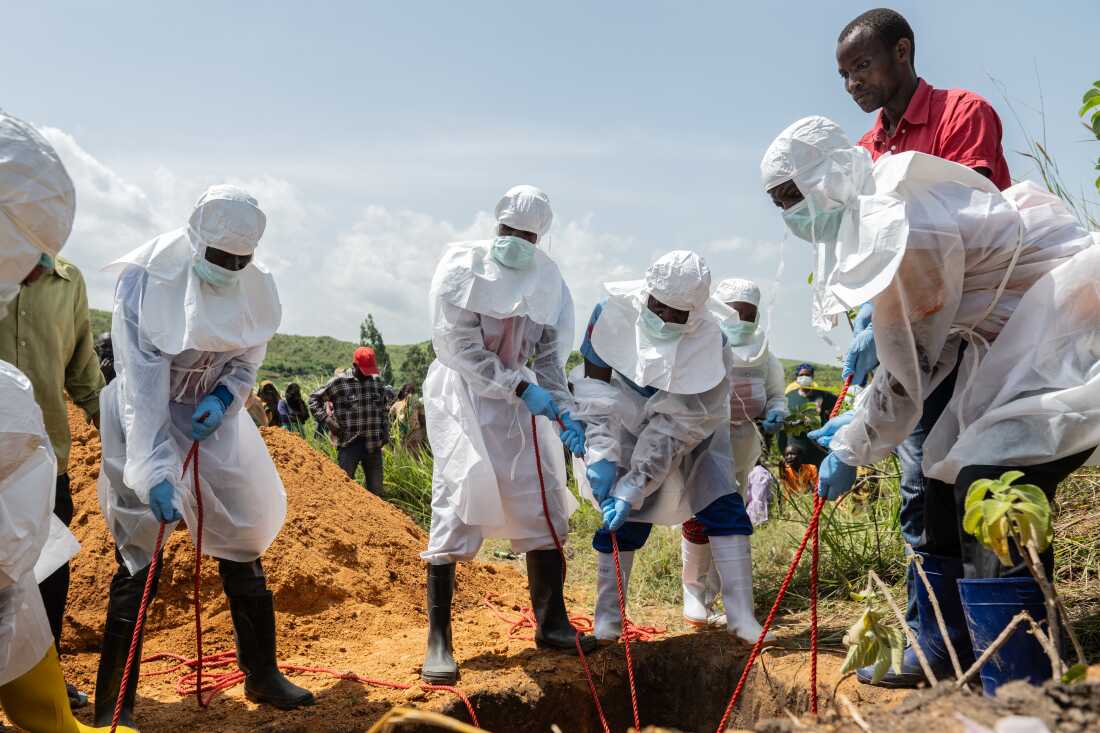
WHO spokesman Christian Lindmeier explained that while some suspected cases were confirmed as Ebola, many others were removed from the figures after testing showed they were suffering from different illnesses with similar early symptoms or unrelated fevers.
He noted that health authorities classify anyone identified through surveillance systems or presenting at a medical facility with symptoms resembling Ebola as a suspected case until testing determines otherwise.
The outbreak was officially declared on May 15 in Ituri Province in north-eastern DRC, a conflict-affected region of the Central African nation with a population of more than 100 million people.
Health experts believe the virus had been circulating undetected for several weeks before the outbreak was declared.
One challenge in identifying infections is that Bundibugyo, the Ebola strain responsible for the outbreak, initially causes symptoms that resemble influenza, malaria, or typhoid fever, often delaying diagnosis.
Lindmeier said many individuals initially classified as suspected cases were later ruled out after laboratory testing.
For instance, some patients were found to be suffering from malaria, meningitis, or other illnesses rather than Ebola.
As a result, they were removed from the suspected cases category, while those who tested positive were added to the confirmed cases tally.
He added that it is normal for confirmed cases to continue increasing while suspected case figures fluctuate as investigations and testing continue.
The WHO’s earlier reports had also included 223 deaths suspected to be linked to Ebola. However, the organisation has removed that category from its latest figures.
Responding to questions about the change, Lindmeier explained that the figure carried considerable uncertainty because it included people who had died some time ago and whose remains could not, in many cases, be exhumed for testing.
Meanwhile, the WHO reported that six people who contracted Ebola during the outbreak have recovered.
There is currently no approved vaccine or treatment for the Bundibugyo strain of Ebola. Health authorities therefore continue to rely primarily on preventive measures and public health interventions to contain the outbreak.