Trending
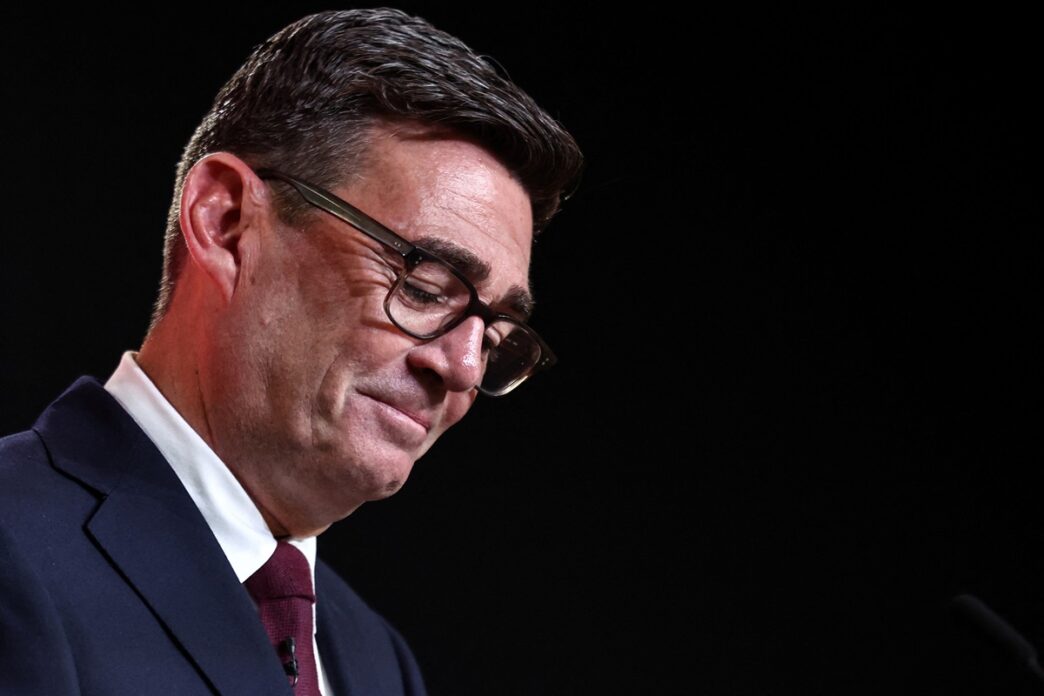
Andy Burnham will on Monday become Britain’s seventh prime minister in a decade, taking over from Keir Starmer with an in-tray overflowing with challenges that have defeated his predecessors and little time to make his mark.
The 56-year-old former mayor of Greater Manchester, nicknamed the “King of the North,” has been parachuted in by the Labour Party after Starmer resigned last month, with MPs viewing him as the party’s best chance of reining in Nigel Farage’s anti-immigration Reform UK party.
After being asked by King Charles III to form the next government, Burnham is due to make his first speech outside 10 Downing Street on Monday, shortly after Starmer has said his farewells.
He will set out “priorities for restoring confidence in government and giving Britain more breathing room” amid the cost-of-living crisis, his team said. Delivering growth and devolving power to regional communities are also expected to feature.
Deputy Labour Party leader Lucy Powell said on Sunday Burnham’s mayoral experience away from the London centre of government meant he understood the “bigger, bolder measures” needed to deliver on Labour’s election manifesto promises.
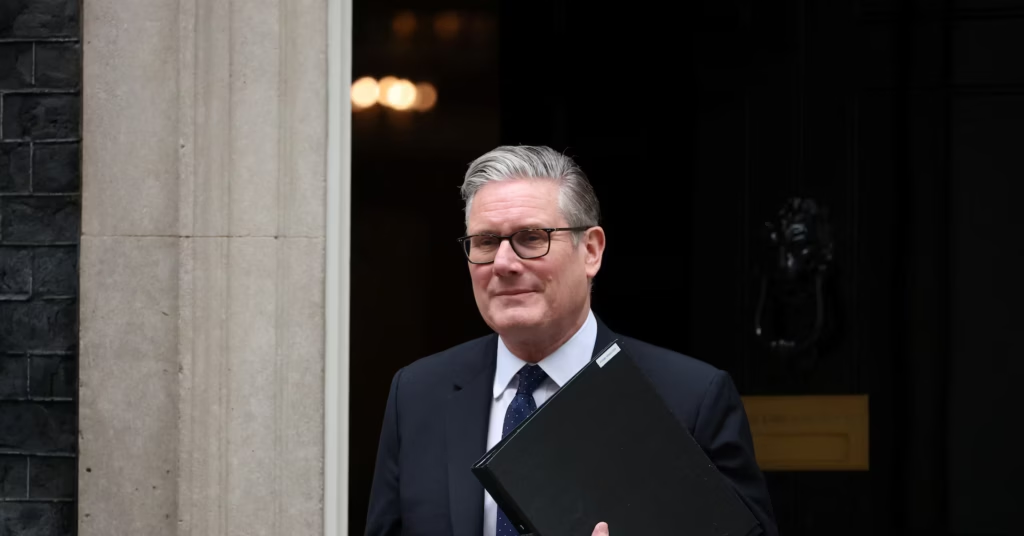
Among Burnham’s most urgent challenges will be a tepid economy, high government borrowing costs, a ballooning welfare bill and irregular migrants arriving in small boats that have fuelled support for Reform. Unpredictable energy prices due to the US-Iran war and a volatile American president in Donald Trump also threaten to buffet his premiership.
Burnham wanted to “radically” rewrite an “over-centralised” political system and an economic model that had put vested interests ahead of ordinary people, Powell told BBC television.
Starmer announced he would resign as prime minister and Labour Party leader in late June after a string of scandals, missteps and policy U-turns blighted his leadership.
Burnham, who only returned as a member of parliament four weeks ago, has little room to manoeuvre amid sluggish economic growth, high public debt and strict financial rules requiring him to balance government spending against tax revenue.
Monday’s handover will begin with Starmer visiting Buckingham Palace to formally tender his resignation to the king before making a brief statement outside Downing Street.
Burnham will then make his own trip to the palace before his first speech as prime minister, which he will say will be a moment of “reflection and resolution,” stressing Britain must be honest about the challenges it faces.
Burnham was an MP between 2001 and 2017, serving as a minister in the governments of Tony Blair and Gordon Brown. He has since reinvented himself as a man of the people, melding a relaxed, folksy style with slick social media videos.
But he has only three years to turn things around, with Reform tipped in polls to win the next general election expected in 2029.
Burnham told supporters on Friday his Labour takeover was the “last chance” for the party to get things right.
His first policy announcement came on Saturday when he scrapped Starmer’s flagship nationwide digital ID scheme, estimated to cost £1.8 billion over three years.
A spokesperson said the time and resources would be diverted “to where it’s most needed, such as helping with the cost of living.”