Trending

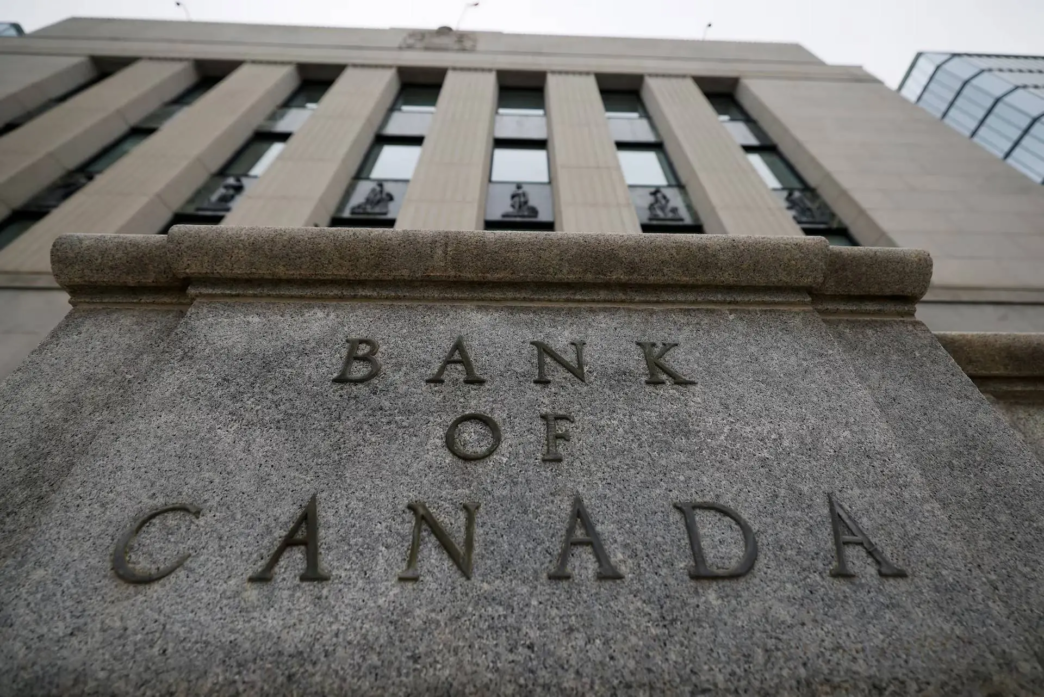
The Bank of Canada raised its benchmark interest rate by a quarter point to 2.5 per cent on Wednesday, taking action to prevent surging oil prices from sparking widespread inflation.
The decision marks the central bank’s first rate hike since July 2023, directly responding to energy market turmoil driven by the eight-month war with Iran.
Addressing the economic pressure, central bank governor Tiff Macklem noted, “Canadians are paying more at the pump. We can’t change that, but what we don’t want is those higher energy prices to pass through and raise the prices of other goods.”
Read More : Naira Holds Steady Against Dollar
The rate decision highlights the dual economic forces currently impacting Canada, with ongoing trade conflicts hitting business confidence while rising energy costs push living expenses higher.
Although Canadian firms are adapting to shifting trade dynamics better than anticipated, persistent geopolitical instability continues to complicate long-term forecasts.

Bank of Canada deputy governor Carolyn Rogers urged caution given the volatile landscape, explaining, “There are lots of things that could happen. We could get a resolution in the Middle East. We don’t think that looks to be imminent, but things can change. We could get a resolution to our trade tensions with the US. That’s why we need to be careful.”
Financial analysts expect the rate adjustment to give policymakers time to monitor whether elevated input costs translate into broader consumer price increases.
While Canadian leadership remains open to trade negotiations, domestic officials maintain a watchful approach regarding international policy shifts and market stabilisation.