Trending

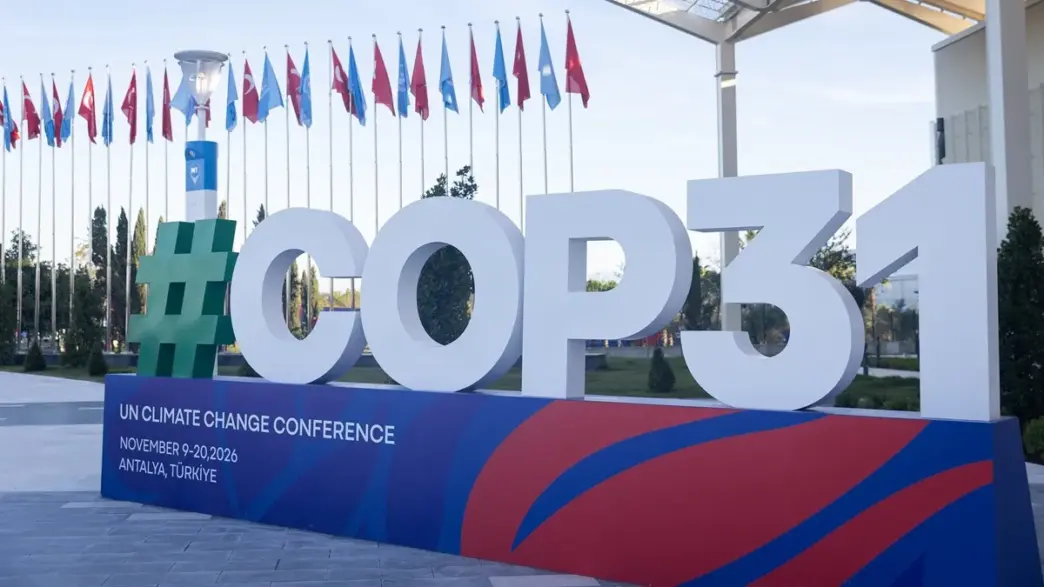
A new COP31 draft has proposed an annual climate adaptation finance target of at least $120 billion by 2035 to help developing countries, including those in Africa, cope with the effects of climate change.
The proposal calls on developed countries to increase their contributions and explain how they plan to meet the target. It also recommends setting milestones to track progress and agreeing on a clear method for measuring the increase in funding.
If adopted, the proposal could help African countries secure more predictable funding for projects such as irrigation, flood protection and early warning systems. However, the amount and conditions of the funding remain under negotiation in Antalya, Turkey.
Read More : Five Things to Know About ‘Grand Theft Auto’
The draft builds on an agreement reached at COP30 in Belém, Brazil, last year. Under that agreement, countries called for adaptation finance to at least triple by 2035. However, they did not agree on the exact amount, the starting point for measuring the increase or how developed countries would deliver the funds.
The need for more funding is becoming urgent. The United Nations Environment Programme (UNEP) estimates that developing countries will need about $305 billion annually for climate adaptation by 2035.
In its Adaptation Gap Report 2026, published on November 4, UNEP said international public adaptation finance from developed to developing countries stood at between $28.2 billion and $31.7 billion in 2024. This was an increase of about $1 billion from the previous year.
Even if countries achieve the tripling target agreed in Belém, the funding would cover only 20 to 29 per cent of developing countries’ adaptation needs, depending on the baseline and method used.
“The bottom line, however, is that the world is not ready to adapt to current climatic conditions, never mind what overshoot of 1.5°C will bring,” UNEP Executive Director Inger Andersen said.
The figures highlight the funding gap facing African countries, which are dealing with rising costs from droughts, floods and extreme heat. African negotiators have repeatedly called for more support to help communities adapt to these threats.
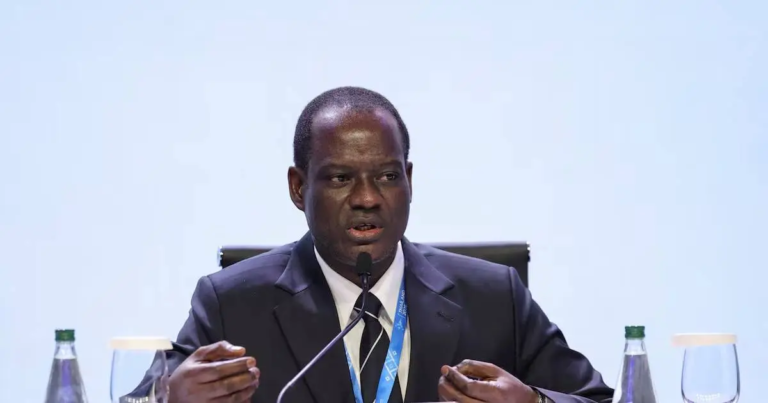
Catherine Koffman, Regional Director for Africa at the Green Climate Fund, said adaptation projects were often difficult to finance because they did not usually generate immediate financial returns.
“It’s harder to fund an adaptation because there isn’t usually ready cash flows,” she said during an interview at COP31.
Koffman added that the Green Climate Fund had committed about $8.3 billion to Africa over the past decade. This represents approximately 37 per cent of its total $22.3 billion portfolio.
Figures from the Organisation for Economic Co-operation and Development (OECD) also show a gap between funding for adaptation and efforts to reduce emissions.
In 2024, adaptation finance reached $34.7 billion, while mitigation finance stood at $86.9 billion. Adaptation therefore accounted for about a quarter of the $136.7 billion in climate finance provided and mobilised by developed countries that year.
The proposed $120 billion target follows several years of negotiations on climate funding.
At COP26 in Glasgow in 2021, developed countries were urged to double their collective adaptation finance from 2019 levels by 2025, targeting about $40 billion annually.
At COP28 in Dubai in 2023, countries adopted the UAE Framework for Global Climate Resilience, which set targets covering water, food, health, ecosystems and infrastructure.
At COP29 in Baku in 2024, governments agreed to provide at least $300 billion annually in climate finance by 2035. They also backed efforts to increase funding from public and private sources to $1.3 trillion a year.
However, developing countries criticised the agreement, saying the amount fell short of their needs.
At COP30 in Belém in 2025, negotiators agreed to efforts to at least triple adaptation finance by 2035. Developing countries had pushed for a more ambitious target of $120 billion annually by 2030, but the final agreement did not specify an amount and retained the 2035 deadline.
Negotiators at COP31 are now discussing how to turn that commitment into clear financial targets.
The African Group of Negotiators, chaired by Dr Antwi-Boasiako Amoah, has also called on wealthy countries to provide the financial and technological support developing economies need.
Speaking earlier at COP31 about Africa’s energy transition, Amoah said developing countries should not be expected to follow the same timetable as industrialised nations without adequate support.
“If you want us to be able to go the way you want to, then give us the needed technology and finance to just transition to where you are,” he said.
Another major issue in the draft is how countries will calculate the proposed $120 billion target. Paragraph 74 recommends asking the UN climate convention’s Standing Committee on Finance to establish a baseline using Oxfam’s method of measuring climate finance in grant-equivalent terms.
This approach measures the actual financial benefit of a loan rather than counting its full value as assistance. It is particularly important for developing countries that rely on loans to fund adaptation projects while already facing high debt levels.
In its Climate Finance Shadow Report 2025, published with CARE, Oxfam estimated that the real value of climate finance provided in 2022 was between $28 billion and $35 billion. This was significantly lower than the headline figures reported internationally.
The report also found that close to two-thirds of public climate finance was provided as loans. To address these concerns, the COP31 draft calls for more grants, loans with highly favourable terms and arrangements that would allow countries to pause debt repayments after major disasters.
It also proposes simpler funding approval processes. Climate funds would be asked to publish how long applicants wait for approval and their first payment.
Koffman said African countries also need stronger regional financial institutions to attract and manage climate investment. She said about 80 per cent of previous funding had gone through international institutions operating on the continent.
“What we are doing more and more of is helping the ones that are based in the region,” she said.
She added that stronger local institutions, financial systems and project preparation would give African countries greater control over climate investments. The draft also encourages support for national development banks and other local institutions seeking direct access to international climate funds.
In addition, it proposes an Antalya-to-Addis Ababa roadmap to identify reliable sources of public funding for climate adaptation and loss and damage. The plan would also seek to improve access to the money.
If adopted, the roadmap would be guided jointly by the COP31 and COP32 presidencies, as Ethiopia prepares to host next year’s climate summit.
Read More : South Africa Demarches Fani-Kayode
The main test in Antalya is whether countries will agree on the $120 billion target, how the money will be measured and the milestones for delivering it.
For African countries, the success of any agreement will depend on how much additional funding becomes available, the cost of accessing it and how quickly it reaches communities facing climate threats.
Credit: Seth Onyango, Bird Story Agency