Trending
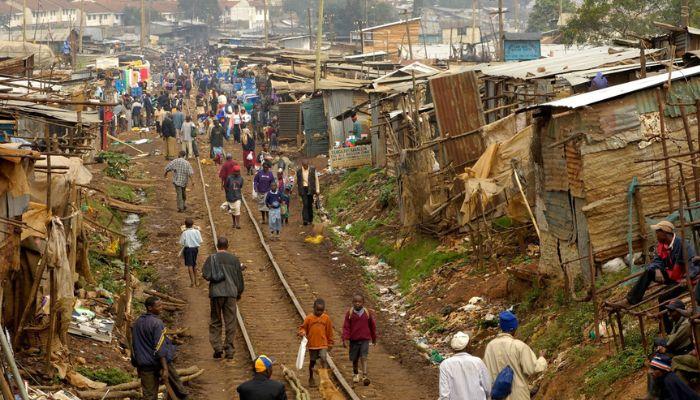
At least 141 million Nigerians are expected to be living in poverty in 2026, according to a new PwC report.
The report raises concerns about the impact of high living costs, weak income growth and rising food prices on households across the country.
The projection is contained in PwC’s Nigeria Economic Outlook 2026, titled Turning macroeconomic stability into sustainable growth.
PwC estimates that Nigeria’s poverty rate will rise to 62% of the population by 2026, which is the year before the 2027 general elections.
The organisation said that although the government has introduced some economic policies aimed at stabilising the economy, many Nigerians have yet to feel any real relief.
According to the firm, slow income growth and high prices are expected to push more people into poverty over the next two years.
“Poverty is projected to rise to 62% (141 million people) by 2026, reflecting weak real income growth and lingering inflation effects,” the report said.
The report explained that most Nigerians are unlikely to see salary or income increases that can match the rising cost of living. While inflation may slow down gradually, PwC said the overall structure of the economy means that prices of basic goods will remain high for many households.
A major factor behind rising poverty, PwC noted, is how low-income Nigerians spend their money. Food accounts for as much as 70% of total spending among poorer households. This makes them very exposed to food price increases.
With food inflation still high, poor households are suffering the most. PwC said that even if overall inflation falls slightly, high energy costs, transport expenses and the effects of the weak naira will continue to push up the prices of food and other essential goods.
Experts warned that rising poverty levels could create serious problems for Nigeria’s economy. When more people struggle to afford basic needs, household spending drops. This can slow economic growth, reduce productivity and increase pressure on government finances.
PwC said efforts to reduce poverty may fail without strong job creation, better productivity and effective social protection programmes. The firm added that many Nigerians remain unemployed or underemployed, while existing welfare programmes are not reaching enough vulnerable people.
In an earlier 2025 report, PwC warned that rising inflation, high interest rates, and naira depreciation could push an additional 13 million Nigerians below the national poverty line.
To address the problem, PwC recommended several measures. These include maintaining stable economic policies, improving food supply systems, and increasing investment in agriculture, storage and transport infrastructure.
According to the firm, these steps could help reduce food prices and ease pressure on household budgets.
PwC’s outlook is similar to the World Bank’s projections. In its Nigeria Development Update, the World Bank said Nigeria’s poverty rate is expected to peak at 62% in 2026, affecting about 141 million people.
The World Bank, however, expects a slight improvement in 2027, projecting that poverty could fall to 61%—about 140 million Nigerians—marking the first decline in nearly 10 years.
“Still slow growth and continued pressure from food prices are expected to push poverty higher,” the World Bank said. It added that any improvement would be slight and that many Nigerians, especially in rural and northern areas, may not feel quick relief.
Data from the Nigeria Living Standards Survey show that poverty has worsened sharply in recent years. In 2018/19, about 40% of Nigerians, or 81 million people, were living in poverty. By 2022/23, this figure had risen to 56% (113 million people).
The World Bank said that between 2019 and 2023, average consumption per person fell by about 7%, with people living in cities hit hardest. Falling incomes, weak economic growth and high inflation all contributed to the rise in poverty during this period.
“Between 2019 and 2023, average consumption fell by 6.7%, especially in urban areas, while poverty rose from 40% (81 million people) to a projected 61% (139 million people) by 2025, with three-quarters of the increase occurring before 2023,” the World Bank said.
By 2025, an estimated 139 million Nigerians were already living below the poverty line. The World Bank expects this number to rise further in 2026, followed by a slight improvement in 2027.
The Nigerian Government, however, has questioned the figures. The President’s Special Adviser on Media and Public Communication, Sunday Dare, said the poverty statistics were “unrealistic” and needed to be properly explained within global poverty measurement standards.