Trending

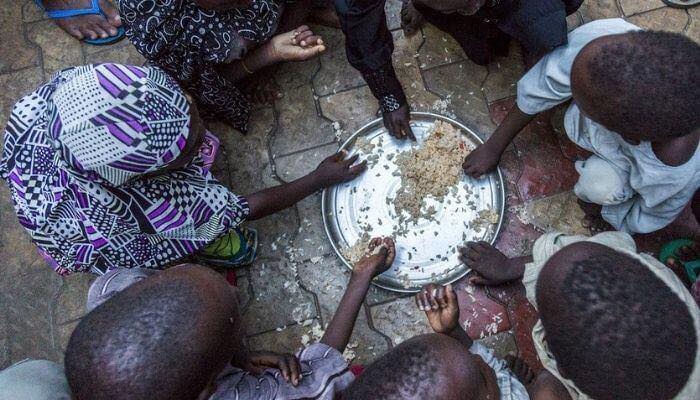
The warning was given by the UN Resident and Humanitarian Coordinator in Nigeria, Mohamed Malick Fall, during the launch of Nigeria’s 2026 humanitarian plan in Abuja.
Fall said Nigeria’s humanitarian needs have increased, while global aid funding has dropped.
He added that the aid system, which has relied mainly on foreign funding, is no longer able to meet growing demands.
He said the situation is especially serious in the northeast, where conflict continues in Borno, Adamawa and Yobe states.
According to him, a surge in suicide bombings and widespread attacks in the region has increased, with more than 4,000 people killed in attacks during the first eight months of 2025, the same number recorded in all of 2023.
The UN said it aims to raise $516 million this year to support about 2.5 million people with food, health care, and other emergency assistance.
This is lower than in 2025, when 3.6 million people were assisted, and far below earlier years.
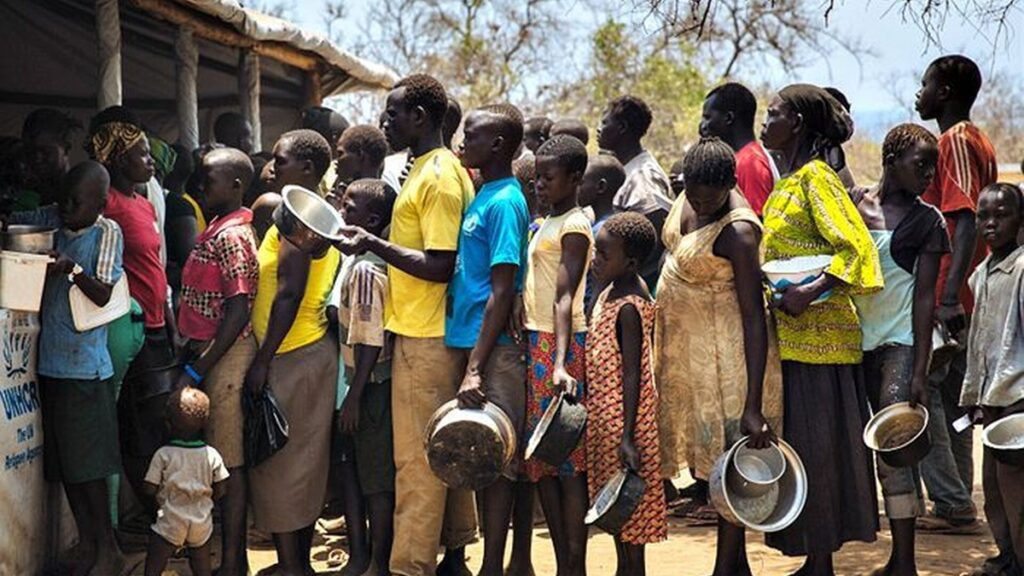
Credit: Center for Democracy
“These are not statistics. These numbers represent lives, futures and Nigerians,” Fall said.
He added that the UN now has to focus on “the most lifesaving” interventions due to limited funds.
Aid delivery has already been impacted by funding shortages. The World Food Programme previously warned that millions could go hungry after it ran out of funds late last year, forcing it to cut support for more than 300,000 children.
Fall said Nigeria has started taking more responsibility for its humanitarian response, including providing local funding for food during the lean season and improving early warning systems for floods.
He said more support is still needed to prevent hunger and malnutrition from worsening across the country.
The World Food Programme’s (WFP) Nigeria Country Director, David Stevenson, stated that “now is not the time to stop food assistance.”
Stevenson added that “This will lead to catastrophic humanitarian, security and economic consequences for the most vulnerable people who have been forced to flee their homes in search of food and shelter.
“Humanitarian solutions are still possible and are one of the last stabilising forces preventing mass displacement and regional spillover.”