Trending
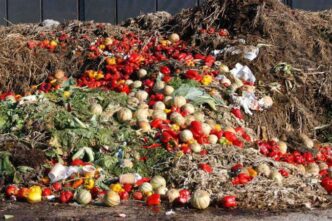
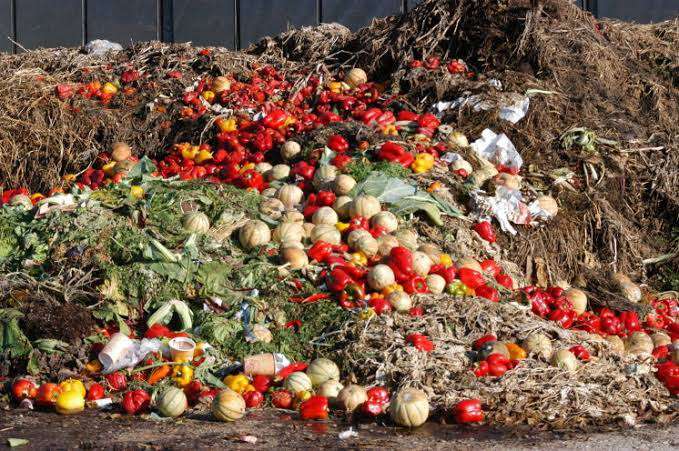
Nigeria loses an estimated 38 million tonnes of food each year, the highest on the African continent, according to the European Union (EU), which has called for urgent measures to curb waste and promote sustainable consumption.
The EU, alongside the Nigerian Government and the United Nations Industrial Development Organisation (UNIDO), warned that food waste deprives people of needed resources and wastes the water, energy, and labour used in production while worsening environmental damage and climate change.
Deputy Ambassador of the EU Delegation to Nigeria and the Economic Community of West African States (ECOWAS), Zissimos Vergos, said Nigeria’s food waste figures surpass those of any other African country.
He added that globally, nearly one billion tonnes of food, about one-fifth of what is available to consumers, were wasted in 2022 alone.
Vergos noted that the impact goes beyond lost food, describing it as a drain on critical resources and a missed opportunity to address hunger while posing a serious threat to environmental sustainability.
“This is not just a loss of food; it is a squandering of precious resources, a missed opportunity to combat hunger, and a direct threat to our planet’s health,” he said.
He added that food loss and waste contribute significantly to greenhouse gas emissions and environmental degradation.
Stating ongoing efforts, he pointed to Nigeria’s circular economy roadmap, the establishment of an inter-ministerial committee on the circular economy, and plans for a national framework for managing plastic waste as signs of structural reform.
“The Nigeria circular economy roadmap, the establishment of the Interministerial circular economy committee, and the push to develop a National Plastic Waste Management Regulation are not small gestures; they are structural shifts.
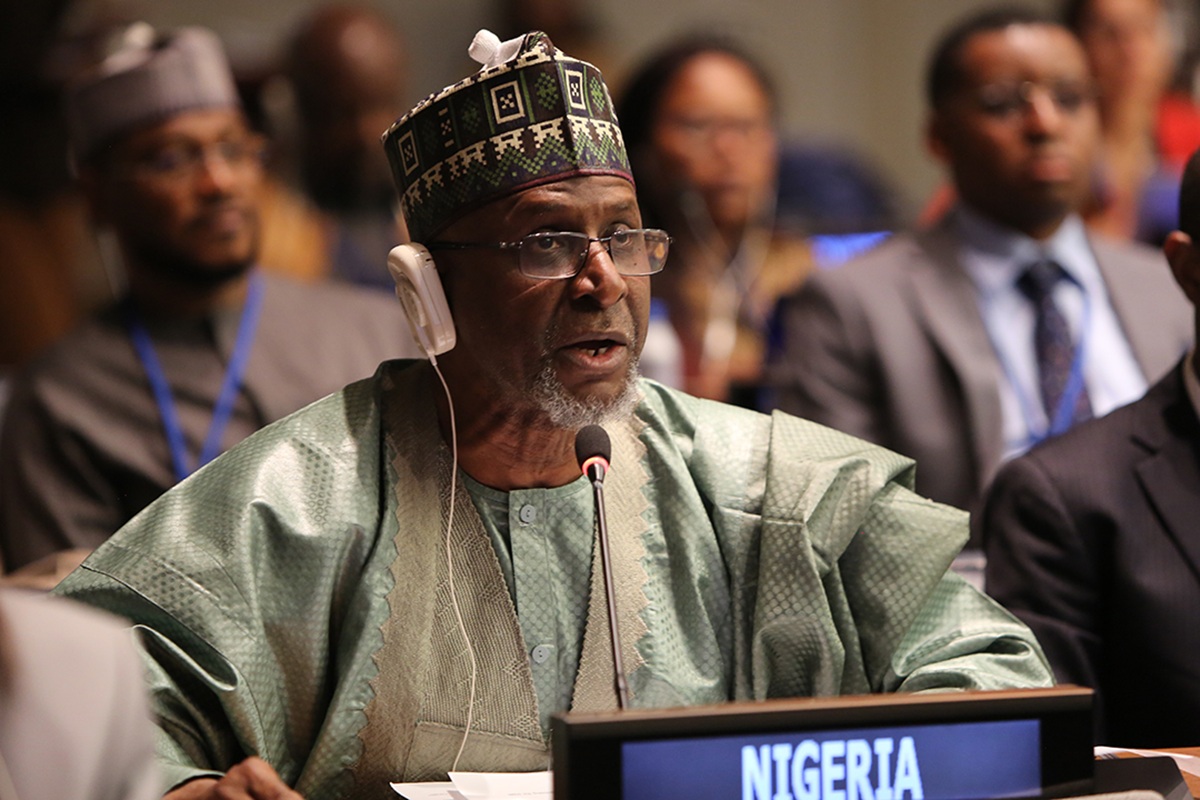
“This signals that Nigeria is not waiting for someone else to solve its problem; it is building the system to solve it from within. Now, today’s theme, food waste reduction, minimisation and valorisation, is the right conversation in the right moment.”
Drawing from the EU’s experience, he recommended investments in rural infrastructure such as roads, storage, and cold chain systems to reduce post-harvest losses.
He also called for stronger links between farmers and processors to encourage value addition, as well as the integration of sustainability and waste reduction into school curricula.
Vergos reaffirmed the EU’s readiness to support Nigeria through funding, technical cooperation, and partnerships.
In his remarks, Nigeria’s Minister of Environment, Balarabe Lawal, said food waste remains a major challenge with environmental, economic, and social implications.
He noted that wasted food represents lost resources, even as many Nigerians continue to face food insecurity.
Lawal said the government has introduced initiatives to reduce food waste in major markets, particularly to address post-harvest losses, adding that tackling the issue aligns with broader sustainability goals.
“Reducing food waste will not only help to lower pollution and greenhouse gases, but also conserve valuable resources and promote more efficient and responsible consumption patterns across households, businesses, and institutions,” he said.
Also speaking, the Director and Representative of the UNIDO Sub-Regional Office, Philbert Johnson, stressed that food systems are central to economic stability and public well-being.
He warned that inefficiencies leading to food loss and waste have far-reaching consequences across communities, economies, and the environment.
He reiterated UNIDO’s commitment to supporting Nigeria in developing resilient and sustainable agro-industrial systems.