Trending
During the first 50 days of 2026, five attacks on healthcare facilities in Sudan have killed 69 people and injured 49, the World Health Organisation (WHO) said Saturday.
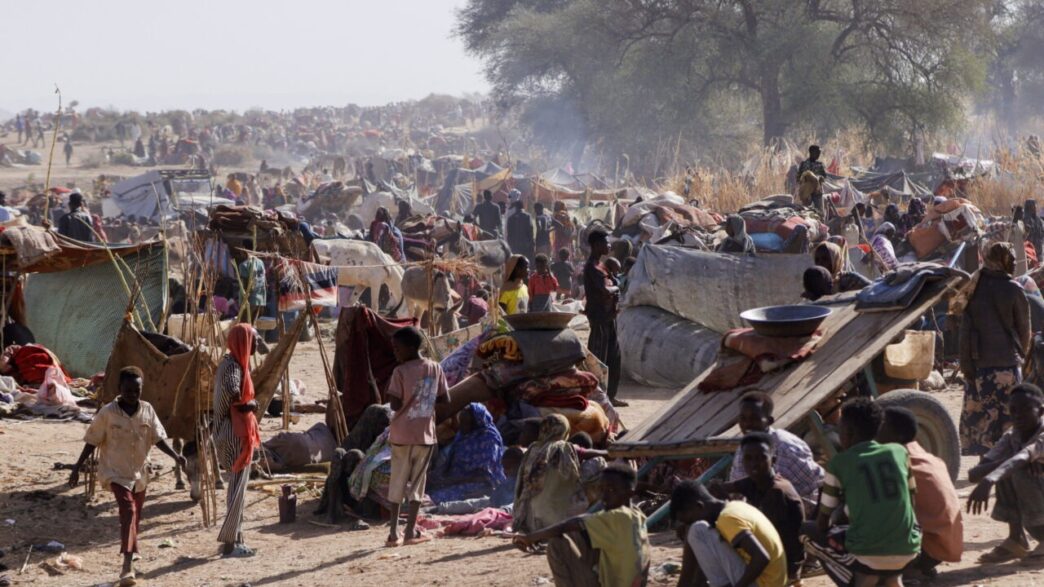
The violence comes as the country’s civil war between the army and the paramilitary Rapid Support Forces nears its fourth year, even more straining an already fragile medical system.
“During the first 50 days of 2026, five attacks on healthcare have already been recorded in Sudan, killing 69 people and injuring 49,” WHO chief Tedros Adhanom Ghebreyesus wrote on X.
“In the latest incident on 15 February, an attack on Al Mazmoum Hospital in Sudan’s southeastern Sennar State, left 3 patients dead and 7 more people wounded, including a health worker. “
The attacks, which target hospitals and clinics, have worsened an already fragile medical system, leaving more than a third of healthcare facilities in the country out of service.
The latest incident occurred on Sunday in the southeastern state of Sennar, where gunmen targeted a hospital, killing three patients and wounding seven others, including a hospital employee.
Earlier this month, three other attacks in South Kordofan killed more than 30 people when medical centers became battlegrounds during ongoing clashes between rival forces.
Since the start of the war in April 2023, the WHO has documented at least 206 attacks on healthcare facilities across Sudan, resulting in roughly 2,000 deaths and hundreds of injuries.
Last year alone, 65 attacks killed over 1,620 people, accounting for nearly 80 percent of all deaths worldwide linked to assaults on the medical sector, according to WHO figures.
The conflict has also led to multiple disease outbreaks, including cholera, malaria, dengue, and measles, while malnutrition continues to rise.
The WHO has warned that some 4.2 million cases of acute malnutrition are expected in Sudan this year, including more than 800,000 severe cases.
The United Nations has cautioned that around 33 million people may be left without aid in 2026 if relief supplies run out by March, placing millions more at risk of disease and hunger.