Trending

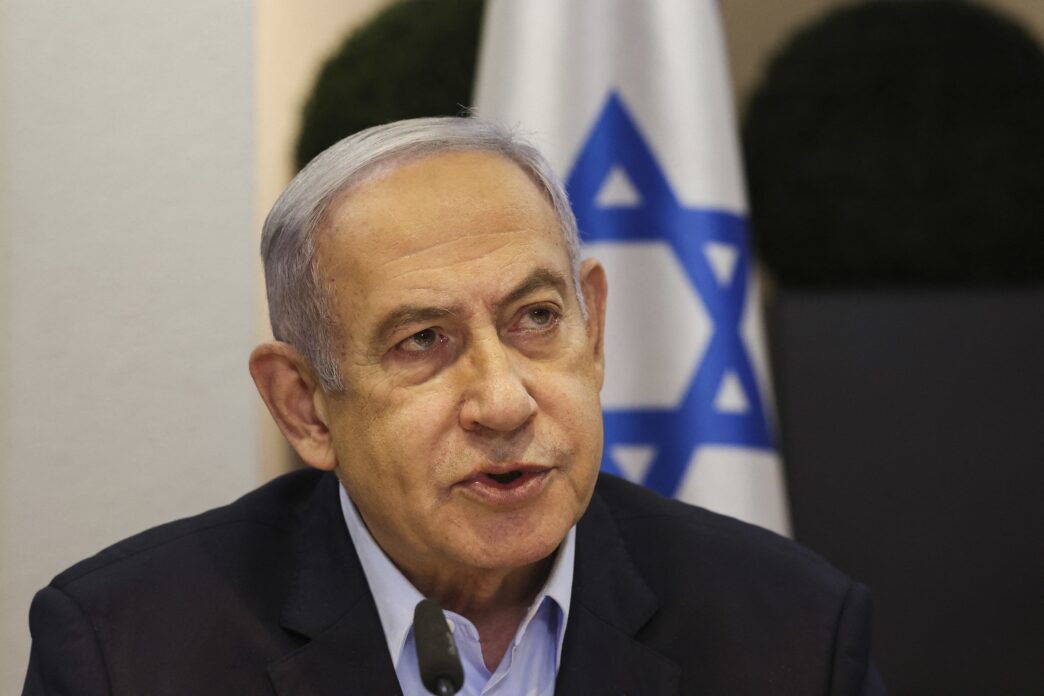
Israeli Prime Minister Benjamin Netanyahu returned to court on Wednesday to face renewed hearings in his long-running corruption trial, a case that has shadowed his political career and deepened divisions within Israeli society.
The proceedings at the Jerusalem District Court resumed after months of delay, focusing on allegations that Netanyahu accepted gifts from wealthy businessmen and sought favourable media coverage in exchange for political and regulatory benefits.
The prime minister has repeatedly denied any wrongdoing, insisting the charges are part of a politically motivated campaign to remove him from power.
Read More : Washington Tightens Iran Economic Squeeze
Netanyahu faces three separate cases — collectively known in Israel as Cases 1000, 2000, and 4000 — involving bribery, fraud, and breach of trust.
Prosecutors allege that he received expensive gifts such as cigars, champagne, and jewellery from billionaire benefactors and that he sought to manipulate media outlets to ensure positive reporting.
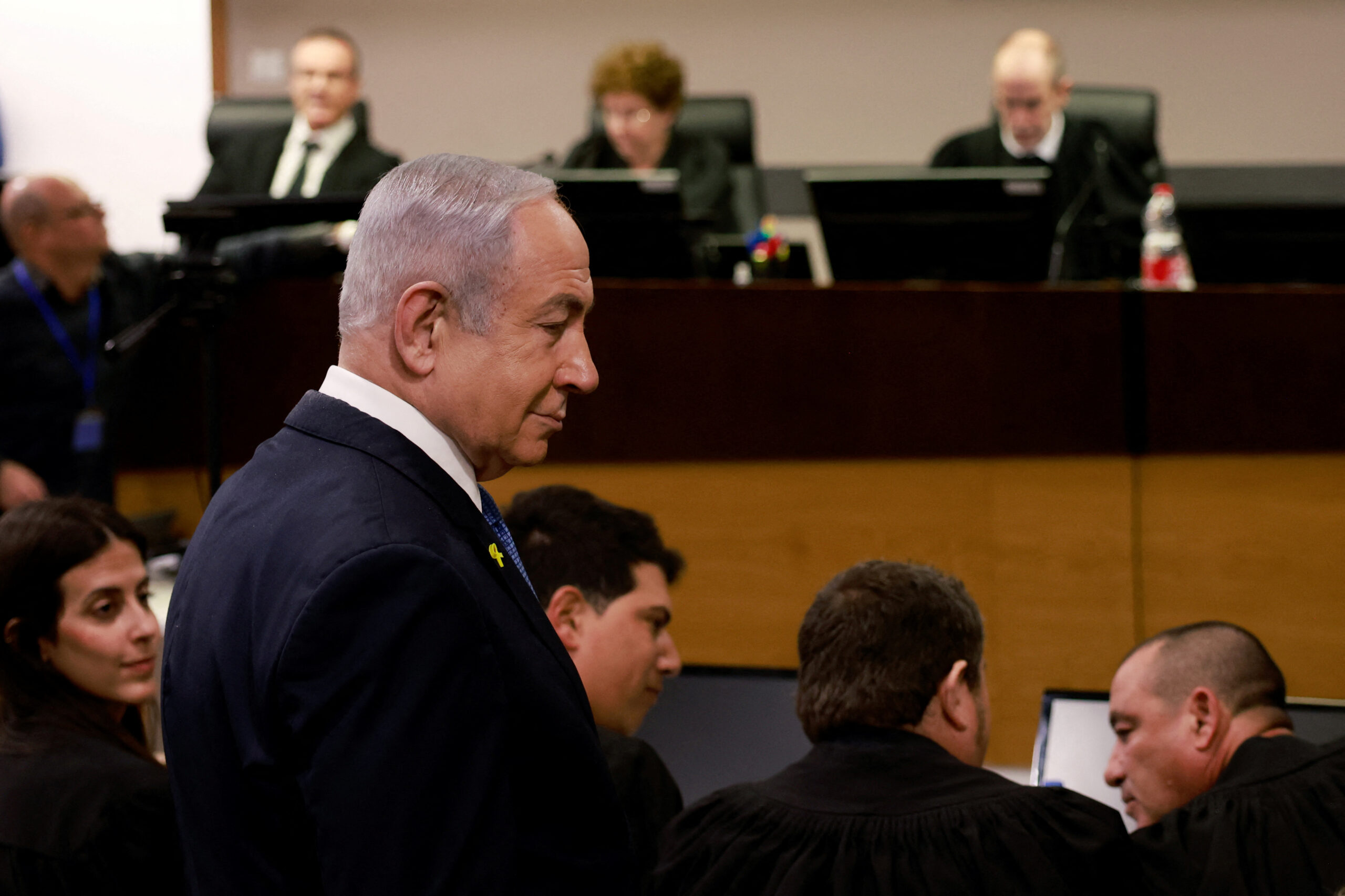
The latest session included testimony from key witnesses linked to the Israeli telecom giant Bezeq, central to Case 4000.
Prosecutors claim Netanyahu, while serving as communications minister, approved regulatory decisions that benefitted Bezeq’s controlling shareholder in return for favourable coverage on the company’s news site, Walla.
Defence lawyers argued that the decisions were made in the public interest and that the charges misrepresent standard political interactions. “No evidence proves a quid pro quo or any personal gain,” Netanyahu’s attorney, Amit Hadad, told the court.
Outside the courthouse, rival groups of demonstrators gathered — some chanting slogans in support of the prime minister, others calling for his resignation. Police cordoned off the area to prevent clashes.
Despite the trial, Netanyahu remains Israel’s longest-serving leader and continues to wield significant political influence. His coalition government has maintained a parliamentary majority, though critics argue that his legal troubles have distracted from pressing national issues.
Legal experts say the proceedings could drag on for years, given the complexity of the evidence and the defence’s ongoing appeals.
Read More : UNGA: Lavrov Offers Help in Gulf, Slams Europe
If convicted of bribery, Netanyahu could face up to ten years in prison, though Israeli law allows him to remain in office until all appeals are exhausted.
The prime minister has vowed to fight the charges “until the truth prevails,” calling the trial “an attempt to overturn the will of the people through the courtroom.”
For many Israelis, the case has become a defining test of the rule of law in a country grappling with political polarisation and questions over the accountability of its leaders.