Trending
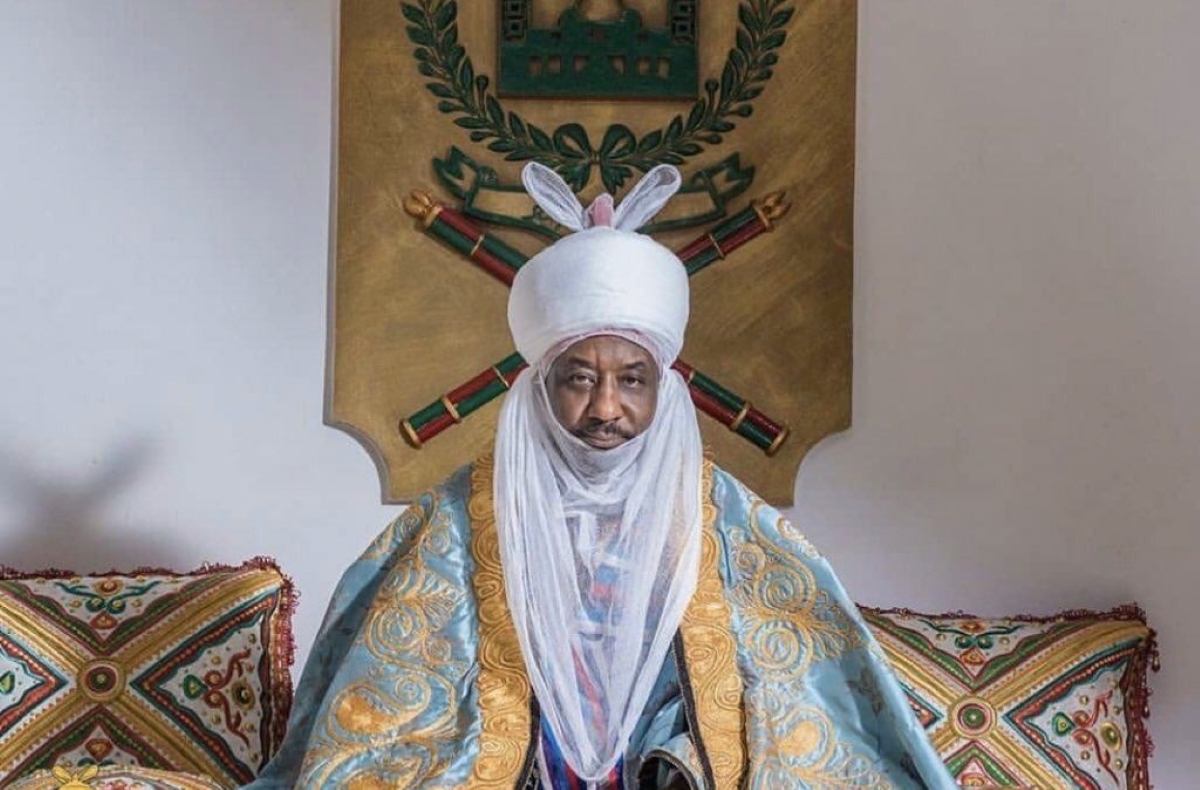
Former Central Bank Governor and Emir of Kano, Lamido Sanusi Lamido, has warned that Nigeria’s recurring economic difficulties stem largely from a widespread failure to understand how the economy actually works, a misunderstanding that, he argues, fuels misplaced expectations and poor policymaking.
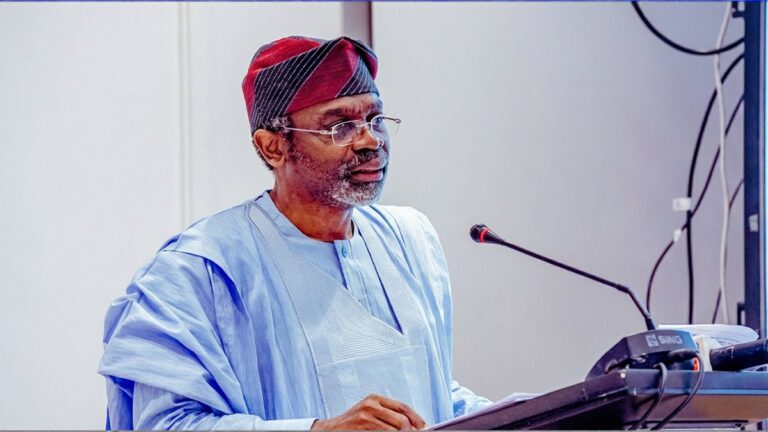
Speaking at the Oxford Global Think Tank (OGTT) Conference in Abuja on Tuesday, Sanusi emphasised the importance of distinguishing between the roles of various economic institutions and instruments.
“It’s extremely important for us to try to understand economics and how the economy works. And a failure to understand economics sometimes leads to misplaced expectations,” he said.
Read More : Shettima Reiterates Calls For UN Reform
Sanusi underscored that sound economic management requires clarity between monetary policy, handled by the Central Bank, and fiscal policy, led by the Ministry of Finance, alongside structural and institutional reforms that provide long-term stability.
He praised the recent appointments of Wali Edmo and Yemi Kaddou, describing them as capable technocrats whose competence has never been in doubt.
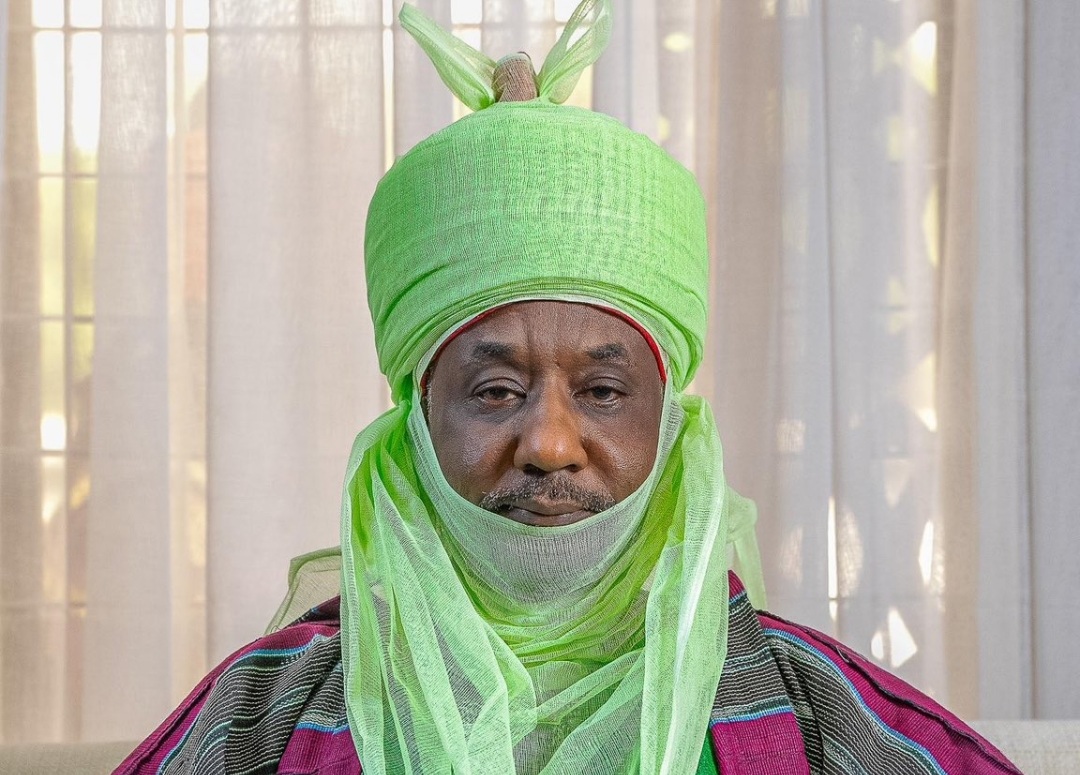
Turning to one of Nigeria’s most contentious economic debates — the removal of fuel subsidies, Sanusi revisited his long-standing position that leadership must confront the costs and consequences of subsidy policies with honesty and analytical rigour.
“If you pay 18 Naira or 65 Naira per litre, and you pay 160 Naira per litre, costs will go up. There will be hardship,” he acknowledged. “The duty of leaders is to understand that there will be a cost to removing subsidy. To say that there will be hardship is not an economic argument.”
Read More : Abia Arrests 86 Over Sanitation Violations
He argued that Nigeria’s approach to fuel subsidies represented “the worst possible derivative” in risk management, a “naked hedge” where the government promised citizens a fixed petrol price regardless of fluctuating global oil or exchange rates.
“The government said to Nigerians, you will not pay more than X amount per litre on petrol, no matter what the price of petrol is,” Sanusi explained. “So oil price goes up from $40 to $140, the government pays the difference. Exchange rate moves from ₦155 to ₦300, the government pays. Interest rates move from 5% to 15%, the government pays.”
According to him, this unsustainable model left the country borrowing not only to fund subsidies but eventually to pay interest on those loans. This path inevitably led to fiscal bankruptcy.