Trending
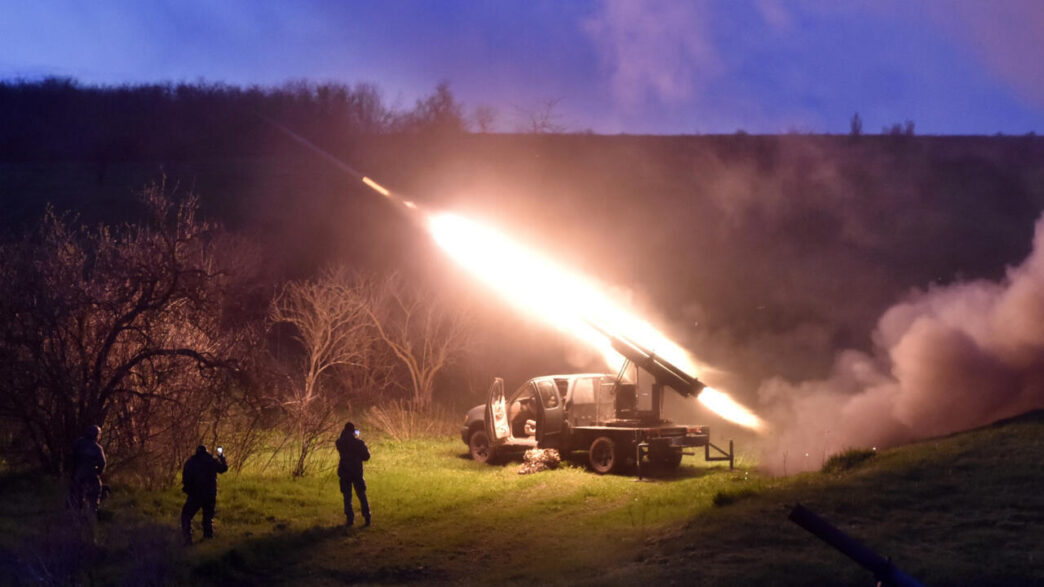
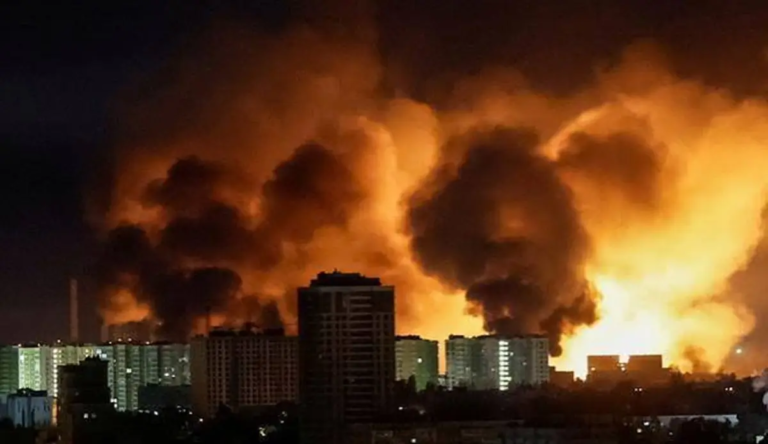
Global arms manufacturers recorded their highest-ever revenues last year as conflict in Ukraine and Gaza pushed military demand sharply higher, according to a new report from the Stockholm International Peace Research Institute (SIPRI).
Sales by the world’s top 100 defence companies reached $679 billion in 2024, a rise of nearly six per cent from the previous year and a 26 per cent increase over the past decade.
Researchers said the surge was largely triggered by Europe’s growing security concerns, especially following Russia’s invasion of Ukraine.
Read More : Somalia Rescues Oil Tanker From Pirates
European countries continued to expand their weapons purchases both to support Kyiv and rebuild depleted military stockpiles, while also investing in long-term upgrades to their own armed forces.
SIPRI analyst Lorenzo Scarazzato said arms producers were able to capitalise on unusually strong demand, driving revenues to their highest level since records began.
However, despite booming orders, production has not always kept up. The report highlights persistent delays and cost overruns in major defence programmes, particularly in the United States.
Projects such as the F-35 fighter jet and the Columbia-class submarine have faced setbacks, placing pressure on supply chains and delivery schedules.
Even so, American arms manufacturers still dominated the market, with US-based firms making up 39 of the top 100 companies.
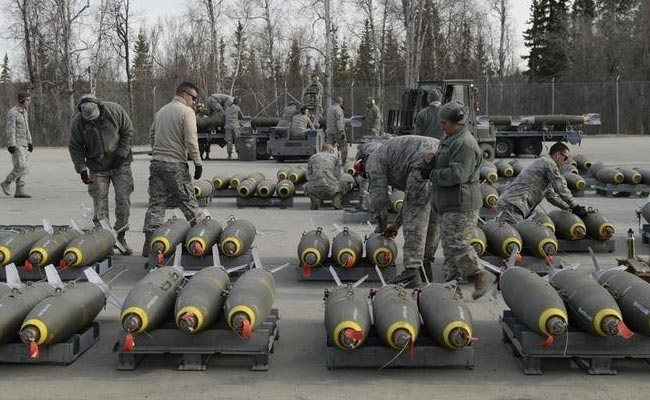
Combined revenues for these firms climbed to $334 billion, accounting for almost half of global arms sales.
European weapons makers saw the fastest growth overall, with revenues across the continent rising by 13 per cent to $151 billion.
One of the most dramatic increases came from the Czech defence group Czechoslovak Group, whose earnings almost tripled after benefiting from initiatives to supply artillery ammunition to Ukraine.
Yet European manufacturers are also facing difficulties sourcing raw materials.
Some companies previously depended heavily on Russian titanium, which is no longer available due to sanctions, while Chinese restrictions on critical minerals have led to rising costs and supply disruptions.
Russia, despite international sanctions, still had two companies in the top 100 – Rostec and United Shipbuilding Corporation.
Their combined revenues rose by more than 20 per cent to $31.2 billion, largely due to strong domestic demand, which has offset declining exports.
Nevertheless, SIPRI noted that Russian defence firms are struggling to recruit enough skilled workers to support the level of production needed to sustain the country’s war efforts.
In contrast, arms companies based in Asia and Oceania experienced an overall decline, with combined revenues falling slightly to $130 billion.
The drop was mainly due to reduced output among Chinese defence firms, where corruption investigations delayed or cancelled major contracts.
Read More : Ukraine University Switches To Remote Classes
While this has cast uncertainty over China’s military modernisation programme, companies in Japan and South Korea posted gains, driven in part by growing European demand.
The Middle East presented a mixed picture, but Israeli defence firms stood out, with revenues rising by 16 per cent to $16.2 billion.
Researchers said international criticism of Israel’s conduct in Gaza had done little to weaken global interest in Israeli weapons, which continue to attract buyers despite diplomatic backlash.