Trending


The Central Bank of Nigeria (CBN) on Tuesday lifted the cap on cash deposits and increased the weekly cash withdrawal limit across all channels to N500,000, up from the previous N100,000.
The announcement was contained in a circular titled “Revised Cash-Related Policies”, signed by Dr. Rita Sike, Director of the Financial Policy & Regulation Department.
The CBN explained that the update is part of wider efforts to reduce the escalating cost of cash management, tackle security challenges, and limit money-laundering risks tied to Nigeria’s heavy dependence on cash. The apex bank noted that earlier cash-related directives were issued in response to changing economic conditions and were aimed at cutting cash usage and driving adoption of electronic payments. However, it said those previous provisions needed refinement to reflect current realities.
Read More : LASTMA Warns Against Skating On Highways
The circular, which takes effect on January 1, 2026, includes several major changes. The cumulative deposit limit has been scrapped, and charges previously applied to deposits above the limit have been removed.
The CBN also announced new weekly withdrawal limits across all channels: N500,000 for individuals and N5 million for corporate entities. Withdrawals exceeding these amounts will incur excess withdrawal fees as outlined in the circular. Additionally, the special monthly authorisation that allowed individuals to withdraw N5 million and corporates N10 million once a month has been discontinued.
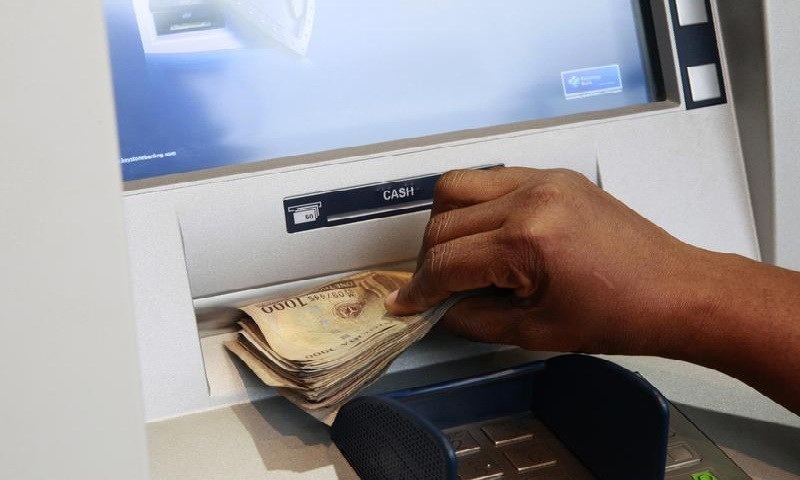
ATM withdrawal rules remain unchanged at a daily limit of N100,000 and a weekly cap of N500,000 per customer. These withdrawals form part of the overall weekly withdrawal ceiling that applies across all platforms, including POS terminals.
The circular further stated that withdrawals above the approved limits will attract charges of 3% for individuals and 5% for corporate customers, with the proceeds shared 40% to the CBN and 60% to the operating bank or financial institution.
Read More : NIS Enrols Over 5,000 in UK Passport Drive
Banks have been instructed to stock ATMs with all currency denominations, while the existing N100,000 limit on third-party cheque encashment over the counter remains in force and will count toward the cumulative weekly limit.
Financial institutions must also submit monthly compliance reports to relevant supervisory departments, including the Banking Supervision Department, Other Financial Institutions Supervision Department, and the Payments System Supervision Department.
The CBN clarified that revenue-generating accounts belonging to federal, state, and local governments, as well as accounts held by microfinance and primary mortgage banks with commercial and non-interest banks, will be exempt from the new withdrawal and excess-fee rules. However, embassies, diplomatic missions, and aid-donor agencies will no longer enjoy their longstanding exemption.