Trending

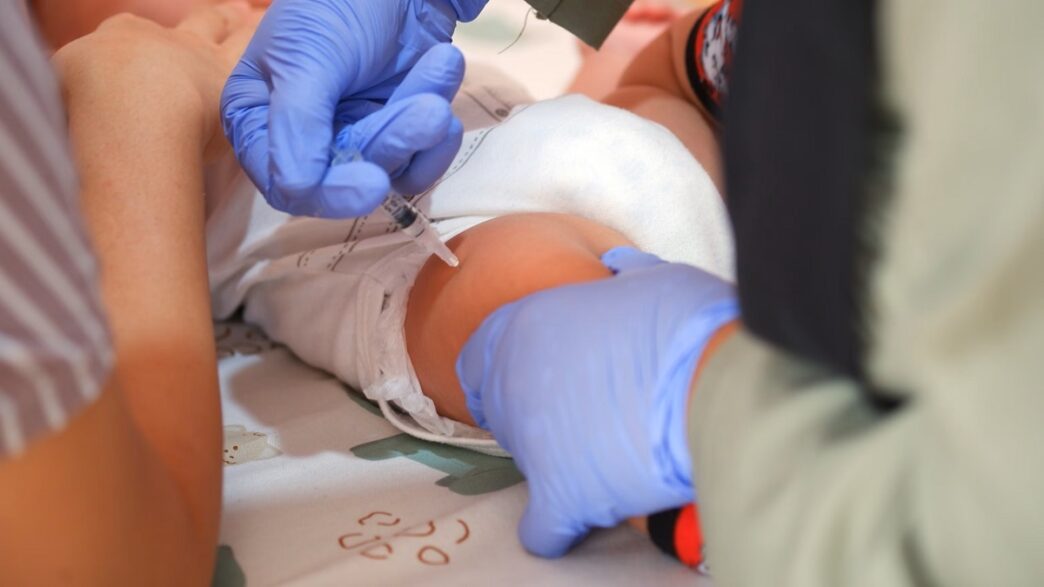
The routine use of the hepatitis B vaccine for newborn babies in the United States is facing renewed scrutiny as a committee recently reshaped by Health Secretary Robert F. Kennedy Jr meets this week to consider whether the long-standing policy should be changed.
Members of the Advisory Committee on Immunisation Practices (ACIP), appointed under Kennedy’s leadership, are gathered in Atlanta for a two-day meeting to review safety guidance for several vaccines, including the hepatitis B jab given shortly after birth. The session follows an earlier meeting in September that produced updated advice on Covid-19 and measles vaccinations.
Since taking office, Kennedy — a long-time critic of mainstream vaccination policy — has ordered a sweeping reassessment of vaccines that have been used safely for decades. His approach has unsettled doctors and scientists, who fear falling immunisation levels could lead to the return of deadly diseases once considered under control. The United States has already recorded measles deaths in 2025 following a surge in cases.
Read More : UN Chief Calls for Permanent Gaza Ceasefire
Medical experts have strongly criticised the panel’s direction and questioned the credentials of its new members. Infectious disease specialist Dr Sean O’Leary warned that decisions made under the current leadership may be guided more by ideology than evidence, saying public health was being put at risk.
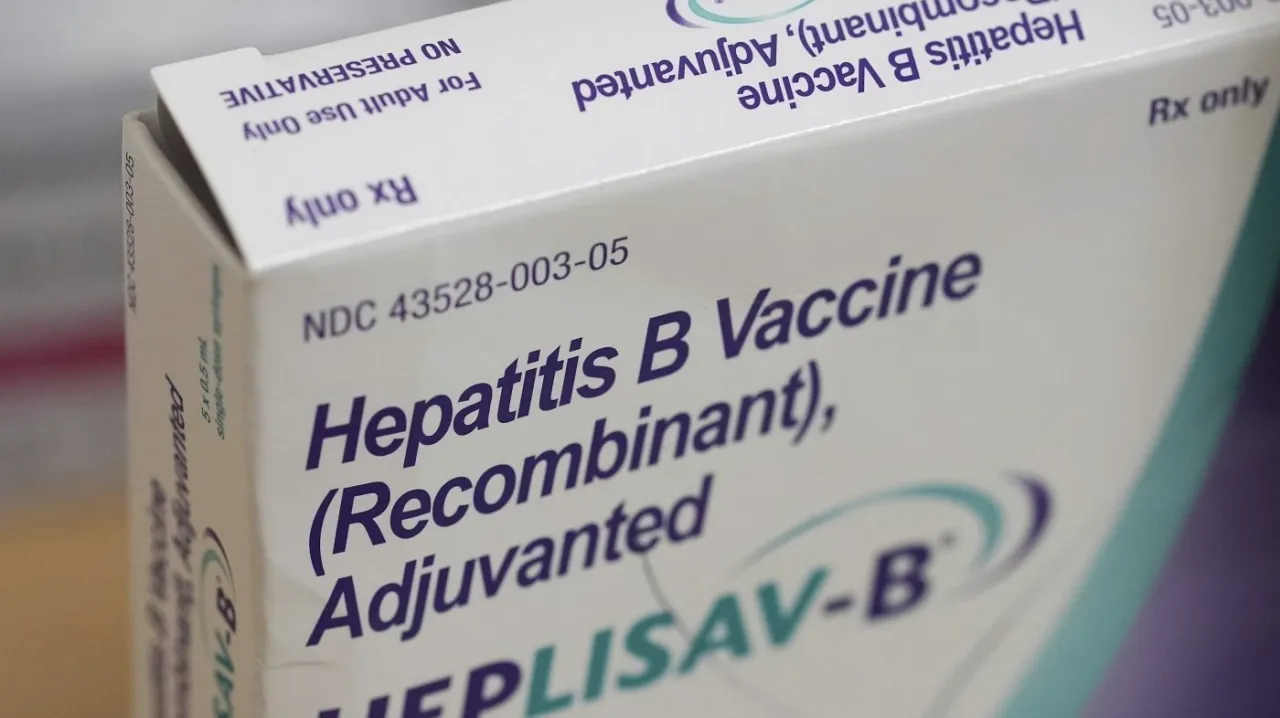
US health authorities have recommended the hepatitis B vaccine for infants since 1991, citing the danger the virus poses to the liver and the high likelihood of chronic infection in babies. Doctors say 90 per cent of newborns who contract the virus go on to develop long-term liver disease, with a quarter likely to die from related complications, including cancer.
President Donald Trump has publicly opposed vaccinating babies against hepatitis B, claiming the infection is sexually transmitted and unnecessary to prevent in infants. Health professionals have rejected that argument, explaining that babies can be infected by their mothers before or during birth. They also warn that delaying vaccination leads to lower coverage rates due to unequal access to healthcare in the country.
A newly published study by researchers at the University of Minnesota, which examined more than 400 scientific papers, found no benefit in postponing the vaccine and warned that changing US policy could expose newborns to serious danger.
The stakes are high because ACIP advice often determines whether vaccines are covered by health insurance, where medical care around childbirth is already costly. However, confidence in the committee is falling sharply, with several Democrat-led states saying they no longer trust or follow its recommendations.
Dr Paul Offit, a leading US paediatrician, said the erosion of trust was forcing states to form their own advisory panels, adding that faith in federal vaccine policy had been gravely undermined.