Trending

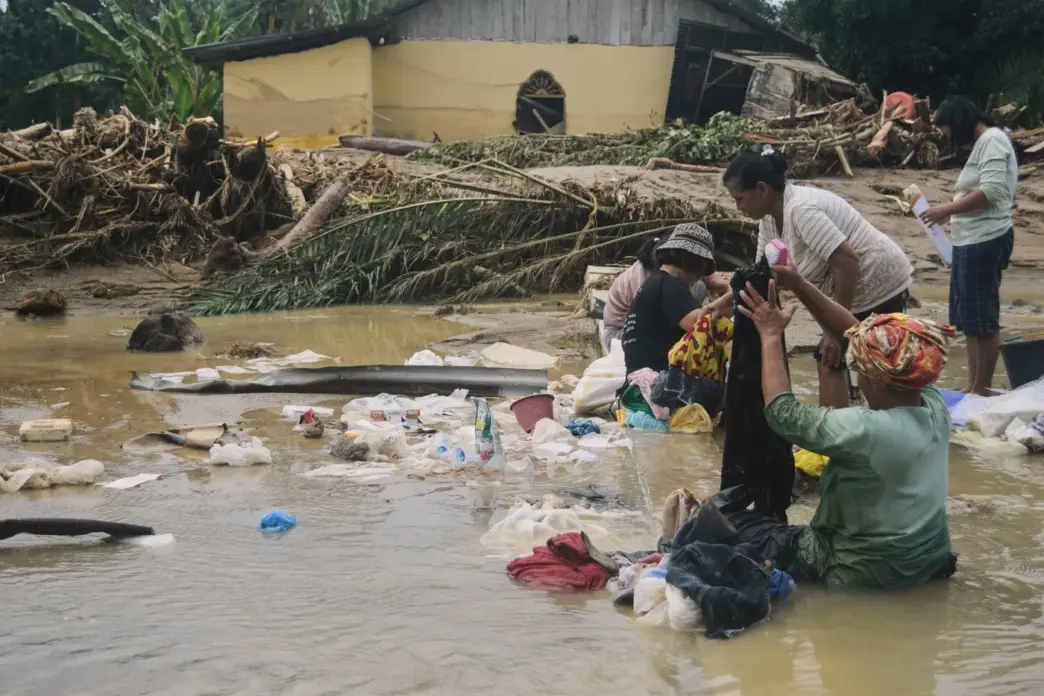
Residents of Indonesia’s flood-stricken island of Sumatra are struggling to find basic necessities as communities cut off by collapsed roads and landslides face worsening shortages of food, fuel and clean water.
In the coastal town of Sibolga, dozens of families have been forced to queue under the blazing heat in the hope of receiving emergency food supplies. Among them was 28-year-old Nur Apsyah, who spent hours waiting with her parents outside a government rice depot in nearby Sarudik. On Wednesday, troops supervised the distribution of sacks of rice to desperate residents.
Sibolga has been left largely isolated after key access routes were destroyed, plunging the town into darkness with no electricity and cutting off deliveries of essential goods. “This has never happened here before,” Nur said. “There is no food, no work and no money. We don’t know how we are supposed to survive.”
Read More : UNGA: Lavrov Offers Help in Gulf, Slams Europe
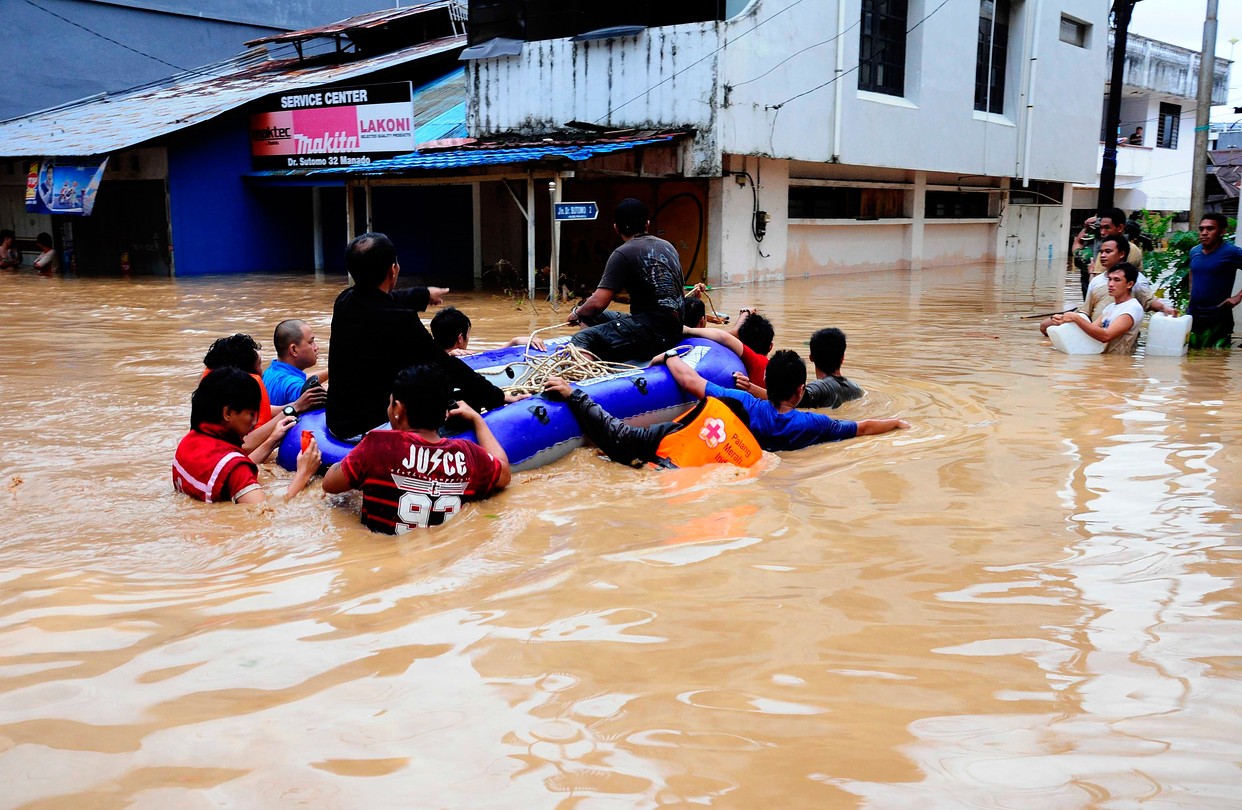
The disaster has devastated wide areas of Sumatra, where floods and landslides have claimed more than 770 lives and destroyed countless homes, bridges and transport links. Aid agencies warn that with many areas still unreachable and more heavy rain forecast, rescue operations are becoming increasingly difficult and the scale of the crisis is overwhelming.
Although Sibolga escaped the worst physical destruction, residents say the impact of isolation has been severe. Nur described the situation as an “emergency”, adding that food shortages had driven some people to loot local shops.
“People who would never steal were forced into it because they felt abandoned,” she said.
The government says it is stepping up relief efforts. Coordinating Minister Pratikno said rice handouts were aimed at easing the suffering of affected families. To prevent people from collecting supplies twice, recipients’ fingers were marked with ink after collection.
At the depot, AFP reporters saw families hauling 50-kilogram sacks of rice away on their shoulders and heads. While queues for food and fuel have begun to shorten, the threat of renewed rainfall has raised fears of new disruption and deeper shortages.
Many shops in Sibolga remain closed because of continued power cuts. Those that have reopened are relying on generators and have little stock. Local resident Sahmila Pasaribu said she spent hours searching for supplies, only to return empty-handed.
“Even if you have money, there is nothing to buy,” she said. “Fuel, rice, cooking oil – everything has become scarce.”
Read More : Trump Rejects Iran Proposal To Reopen Hormuz
Clean water is also in short supply after landslides damaged pipelines. At a local water company, residents queued with containers to collect what they could. Shop owner Sopian Hadi said he had been making daily trips after losing access at home.
He also described waiting six hours to buy petrol for his motorcycle. Still, he remains determined to endure.
“We cannot give up,” he said. “Survival means refusing to lose hope.”