Trending


Survivors across Indonesia were struggling on Friday to rebuild their shattered lives after deadly flooding swept through the country and neighbouring nations, killing more than 1,500 people in total.
With further heavy rain forecast, fears are mounting that the already devastating situation could worsen.
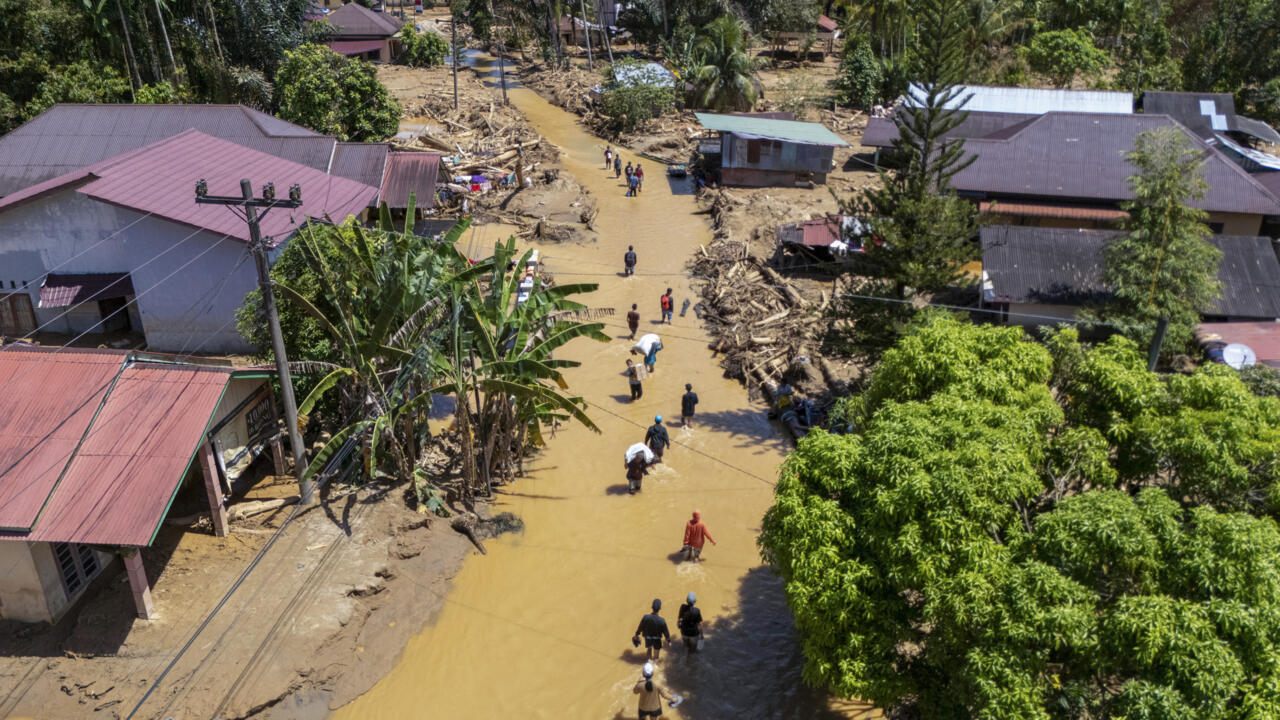
Indonesia has been the worst affected, with officials reporting at least 837 deaths and 545 people still missing, most of them in Aceh in northern Sumatra, where more than 800,000 residents have been forced from their homes.
Elsewhere, Sri Lanka has confirmed 486 deaths, Thailand 276 and Malaysia two.
In Sumatra, many families were assessing the damage after days of torrential rain triggered flash floods and landslides. Homes, farmland and infrastructure were severely damaged, leaving entire communities in ruins.
Rumita Laurasibuea, now sheltering in a school, said her house had been buried up to the ceiling by mud, with timber and debris piled around the building.
The 42-year-old government worker described the road to recovery as long and uncertain, saying it could take more than a year for life to return to some form of normality.
Others spoke of fear for loved ones still cut off in remote areas.
Hendra Vramenia, who fled his village in southeastern Aceh, said that while belongings could be replaced, he was deeply concerned that isolated communities might face hunger.
He said he was considering moving his children and family to a safer area or possibly renting accommodation elsewhere until the situation improved.
Indonesia’s weather agency has warned that Aceh could face heavy rainfall through Saturday, with North and West Sumatra also at risk. For those who have already lost everything, the prospect of more rain has heightened anxiety.
Rumita said residents were terrified of being flooded again and asked where people would go if the waters returned.
In Sri Lanka, officials said floodwaters were beginning to subside, but communities there now face the enormous task of clearing up. In the town of Gampola, volunteers worked through thick mud inside mosques and houses.
Muslim cleric Faleeldeen Qadiri said people were arriving from other areas to help with the clean-up.
One volunteer, Rinas, said it could take ten men an entire day to properly clear a single house, adding that the scale of the destruction meant no one could manage without outside assistance.
The widespread devastation followed intense rainfall from two weather systems that affected Sri Lanka, Sumatra, southern Thailand and northern Malaysia last week.
While seasonal monsoon rains are vital for agriculture across the region, scientists warn that climate change is making such weather patterns more unpredictable and extreme.
In Indonesia, both environmental campaigners and government officials have also blamed deforestation for worsening the flooding and landslides, saying forest loss has left the land unable to absorb heavy rainfall.
Indonesia, which has one of the highest rates of forest loss in the world, has seen huge areas of rainforest cleared for mining, plantations and development.
The government announced on Wednesday that it had withdrawn the environmental licences of several firms accused of contributing to the scale of the disaster.
Environment Minister Hanif Faisol Nurofiq said eight companies would be questioned next week and warned that if illegal logging or land clearing were proven, the investigation could lead to criminal charges.
Despite growing criticism over the response, the Indonesian government has insisted it is capable of managing the crisis.
However, the vast scale of the disaster has already placed severe strain on rescue and relief operations, with thousands still displaced and urgent humanitarian needs continuing to mount.