Trending


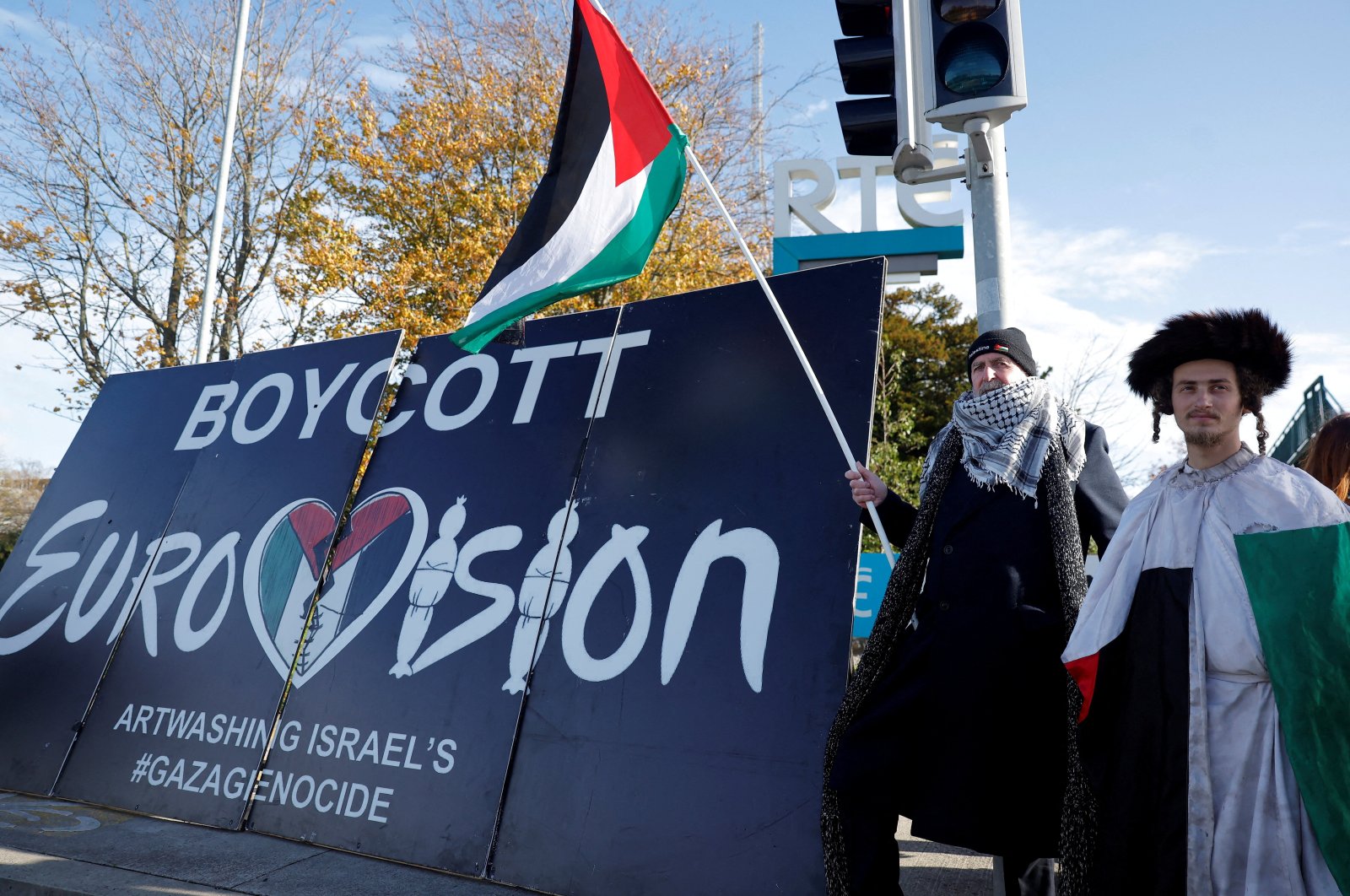
Three countries have announced they will boycott next year’s Eurovision Song Contest after organisers confirmed that Israel would be allowed to compete.
Spain, Ireland and the Netherlands decided at a European Broadcasting Union (EBU) meeting in Geneva that concluded there was no need for a further vote on Israel’s participation despite calls for its exclusion.
Iceland said it is still considering its position, while Belgium, Finland and Sweden had also weighed a potential boycott.
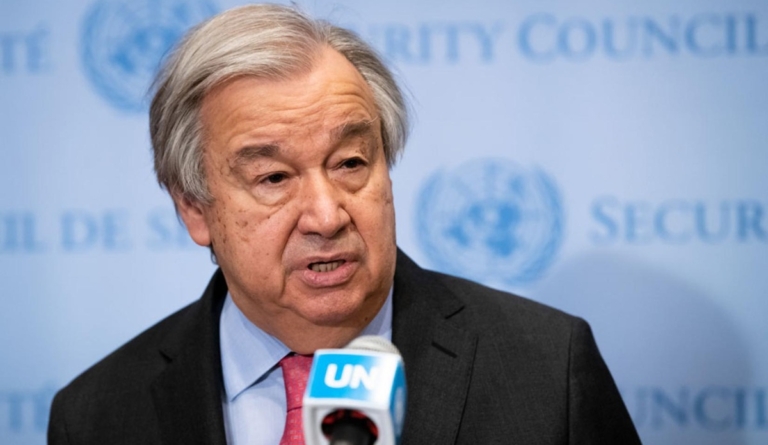
Read More : UN Chief Calls for Permanent Gaza Ceasefire
Opposition to Israel’s inclusion stems from widespread condemnation of the ongoing conflict in Gaza and concerns over alleged manipulation of the voting system in previous contests.
Spain’s RTVE described the situation as making it increasingly difficult to maintain Eurovision as a neutral cultural event, while Ireland’s RTE called participation “unconscionable” given the humanitarian crisis in Gaza.
Dutch broadcaster AVROTROS also cited a conflict with its organisational values as the reason for withdrawing. Icelandic broadcaster RUV said its board would meet to decide whether to participate despite Israel’s entry.
The EBU, however, defended its decision, noting “clear support” among members for reforms aimed at strengthening trust and ensuring neutrality.
Sweden’s public broadcaster SVT said it would take part next year, acknowledging the security measures taken by Austria, the host nation.
Israel’s leadership welcomed the decision. President Isaac Herzog said the country “deserves to be represented on every stage around the world,” while Foreign Minister Gideon Saar criticised the boycotting nations, calling it a “disgrace.”
Germany also supported Israel’s inclusion, with Culture Minister Wolfram Weimer stating that “Israel is part of Eurovision just as Germany is part of Europe.”
Concerns about voting integrity have been a recurring issue for Israel’s entries.
Last year, Yuval Raphael, a survivor of Hamas’s October 2023 attack, surged into second place after the public vote, despite lower jury scores, prompting accusations of lobbying overseas.
Similar scrutiny was raised in the previous year when Israel’s Eden Golan reached fifth place despite limited jury support, highlighting ongoing tensions over the contest’s scoring system.