Trending
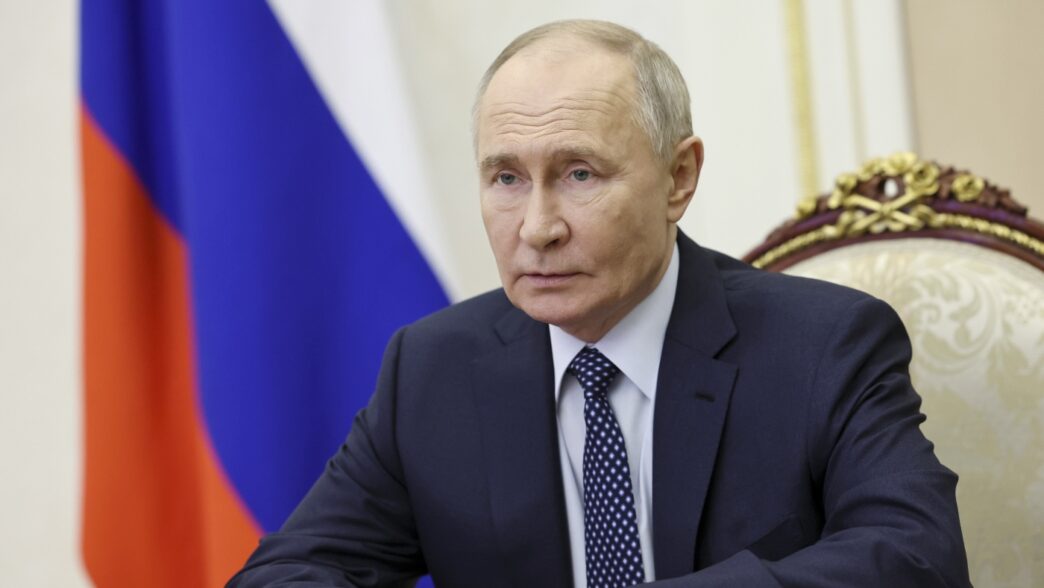
The UK government on Thursday held Russia’s President Vladimir Putin morally responsible for the death of British mother Dawn Sturgess in a 2018 nerve agent attack, imposing sanctions on the Russian intelligence service and summoning Moscow’s ambassador.
Sturgess, 44, died after spraying what she believed was perfume from a discarded Nina Ricci bottle, which in fact contained the deadly Novichok chemical.
The bottle had been left in Salisbury, southwest England, by two men suspected of being Russian intelligence operatives in a failed attempt to assassinate former double agent Sergei Skripal in March 2018.
The inquiry report concluded that the attack “must have been authorised at the highest level, by President Putin,” and held the Russian leader morally accountable for Sturgess’s death four months later.
The investigation described the operation as “astonishingly reckless” and a public demonstration of Russian power.
UK Prime Minister Keir Starmer said the findings confirmed “shocking and reckless hostile activity on UK soil” and that moral responsibility lies squarely with Putin.
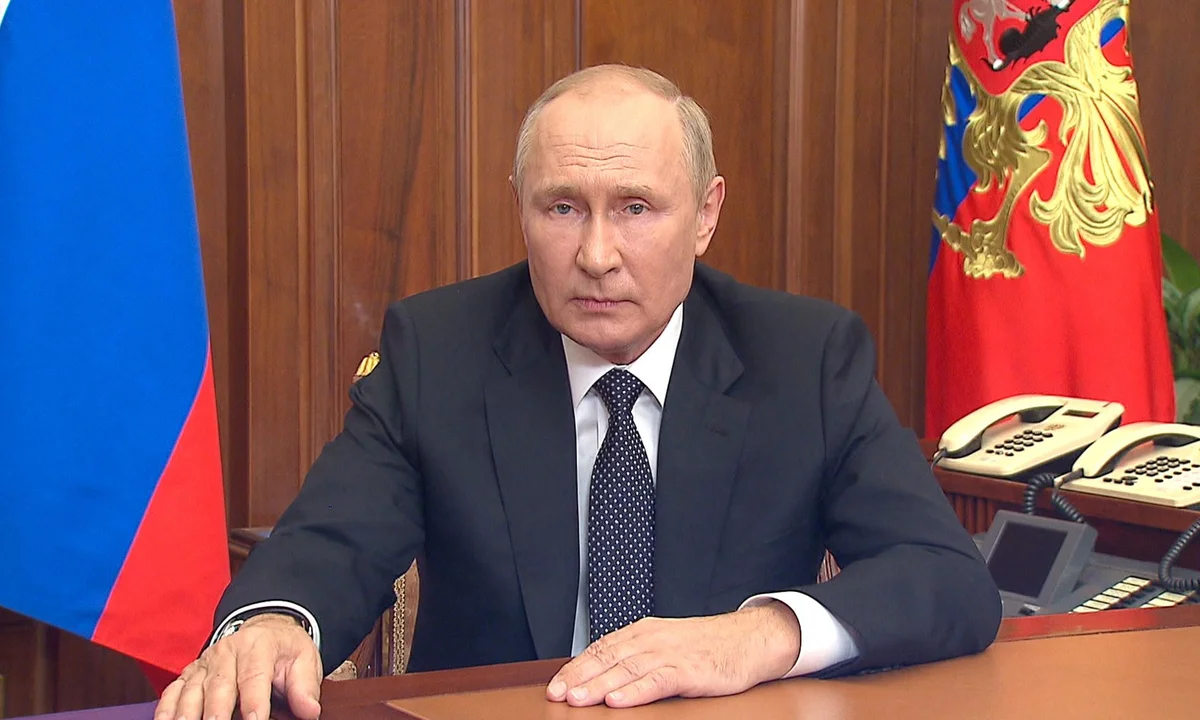
The UK’s Foreign Ministry announced sanctions on the entire Russian GRU intelligence agency in response.
Russia’s Kremlin spokesperson Maria Zakharova dismissed the sanctions as illegitimate, claiming they were based on “trumped-up pretexts” and warning of potential retaliation.
The inquiry detailed that the Novichok bottle contained enough poison to kill “thousands,” posing a clear risk to anyone beyond the intended target, Skripal, and highlighted the culpability of the suspects, their GRU superiors, and ultimately, President Putin.
Skripal and his daughter Yulia survived the poisoning but now live under protection. Dawn Sturgess, however, became an unintended victim of the reckless attack.
The family’s lawyer, Michael Mansfield, expressed disappointment that the report did not fully address whether the tragedy could have been prevented.
The incident is the latest in a series of high-profile espionage-related crises between the UK and Russia, including the 2006 poisoning of ex-spy Alexander Litvinenko, which a previous inquiry suggested Putin had “probably approved.”
UK-Russia relations remain severely strained amid Russia’s ongoing war in Ukraine.