Trending

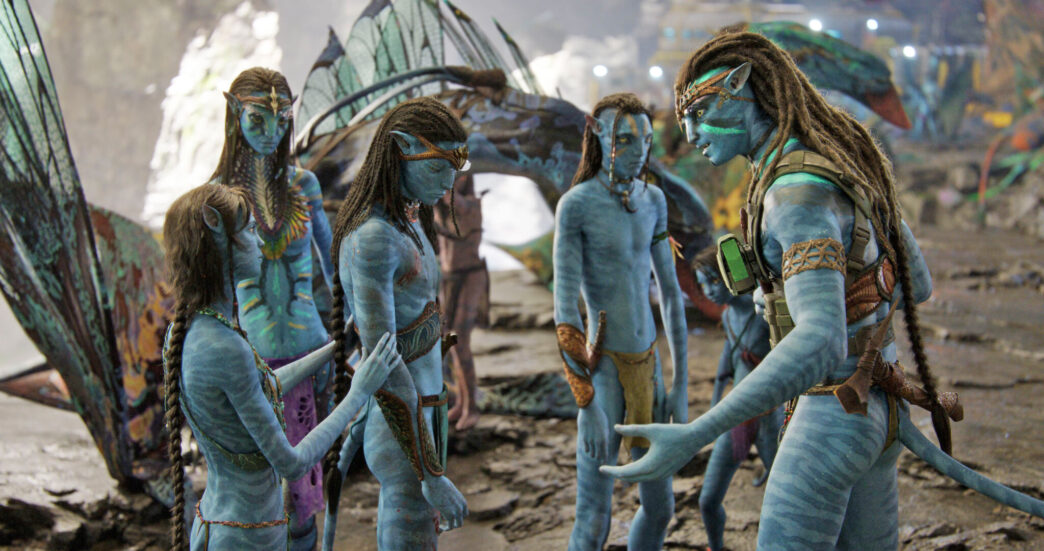
The third instalment in the Avatar franchise heads into cinemas this month, with hopes of becoming one of the biggest box-office hits of the year, as James Cameron seeks to extend one of the most successful film series in history.
Titled Avatar: Fire and Ash, the new film will open in major international markets from December 17, placing it firmly in the lucrative Christmas period for cinema releases.
The franchise has already delivered stunning financial success, with the original Avatar earning a record-breaking $2.9 billion worldwide and its 2022 sequel, The Way of Water, generating about $2.3 billion despite the cinema industry still recovering from the pandemic.
Read More : Madonna, Carpenter Win MTV VMA Award
In the latest chapter, audiences return to the planet Pandora, where Jake Sully, portrayed by Sam Worthington, is now Toruk Makto, a figure of legendary standing among the Na’vi people.
Alongside his wife Neytiri, played by Zoe Saldana, he is dealing with the death of their eldest son, Neteyam, while attempting to rebuild family life with their remaining children.
Among them are Kiri, an adopted Na’vi teenager played by Sigourney Weaver, and Spider, a human boy who is embraced by the family, though not entirely by Neytiri.
Cameron has said the film explores deeper family tensions and questions around identity and belonging, describing the storyline as reflecting the reality of mixed-heritage children and displaced families.

He added that viewers may relate to the themes of migration and resettlement as the family seeks its place in a changing world.
The story also introduces a new enemy: the Mangkwan, known as the Ash People, a tribe of Na’vi who were driven from their homeland by a volcanic disaster and now survive through violent raids.
The group is led by Varang, played by Oona Chaplin, who reveals a harsher and more ruthless side of Na’vi society that contrasts with the harmony and kindness shown in previous films.
Environmental destruction remains central to the plot, with the human-run Resources Development Administration returning as the main threat.
This time, they are hunting giant, intelligent sea creatures known as Tulkuns to extract a substance called amrita from their brains, believed to have enormous commercial and scientific value.
Cameron has said the franchise has always carried a strong environmental message. At the same time, Weaver drew direct comparisons with current global damage to oceans and wildlife, warning that the loss of the seas would pose a serious threat to humanity itself.
Although artificial intelligence now plays a growing role in filmmaking, Cameron confirmed that the Avatar films do not use generative AI technology. Instead, he continues to rely on performance capture, a technique he developed to digitally translate actors’ movements and expressions onto their Na’vi characters.
Filming for the second and third films took place between 2017 and 2018, with further sequels already in development.
Early reactions from critics have been cautiously optimistic, though full reviews have not yet been published.
Social media responses from US journalists have largely praised the film’s visuals and emotional impact, while some have suggested the storytelling revisits familiar ground.
Cameron himself has joked that he tends to recycle his best ideas rather than invent new ones.