Trending
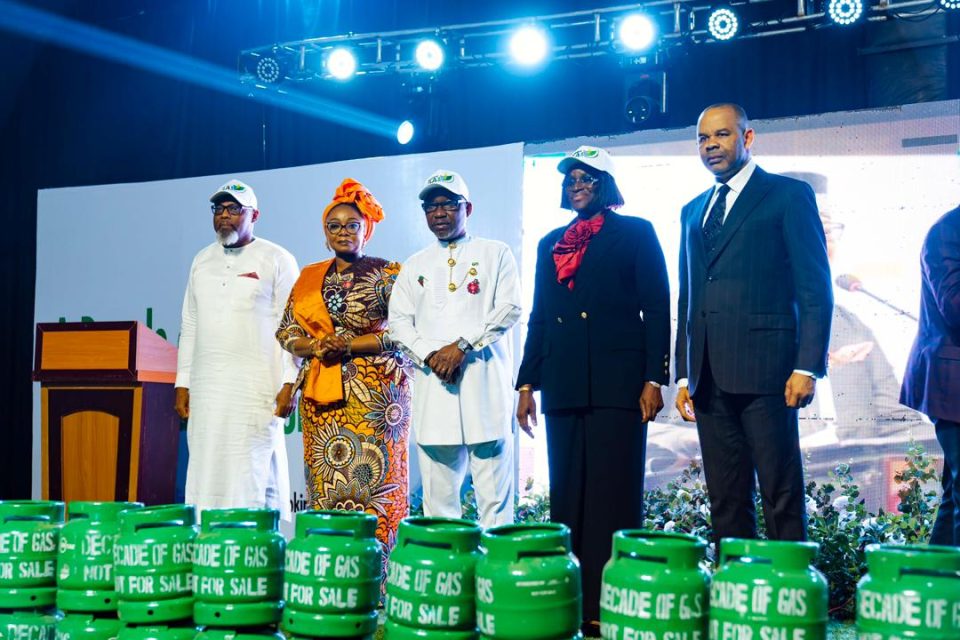
The Nigerian government has intensified its Decade of Gas Initiative with the launch of a large-scale Liquefied Petroleum Gas (LPG) penetration programme in the Southeast, targeting one million households annually.
The Minister of State for Petroleum Resources (Gas), Ekperikpe Ekpo, announced this in Owerri, Imo State, during the flag-off of the LPG Penetration Programme and distribution of LPG cylinders in the region. The initiative is being executed in partnership with the Imo State government.
Ekpo described the rollout as a major milestone in the Nigerian government’s drive to expand access to clean cooking energy nationwide.
He noted that LPG is not merely an energy alternative but a transformative intervention capable of improving public health, protecting the environment, and advancing economic empowerment.
For decades, millions of Nigerian households have depended on firewood, charcoal, and kerosene—fuels that contribute to respiratory diseases, deforestation, greenhouse gas emissions, and significant drudgery for women and children.
Ekpo noted that over 17 million households still rely on biomass for cooking.
By transitioning these homes to LPG, the Nigerian government aims to reduce exposure to life-threatening smoke and support education and economic participation for women and girls, cut deforestation and preserve biodiversity, lower household energy costs, and improve safety and hygiene in homes
The minister emphasised that the initiative aligns with global clean cooking efforts, including the UN Clean Cooking Agenda and the Sustainable Development Goals (SDGs), particularly SDG 7 (Clean Energy), SDG 5 (Gender Equality), and SDG 13 (Climate Action).
Ekpo highlighted that the programme has been launched across all geopolitical zones—North-Central, South-South, South-West, North-East, and North-West—with the Southeast being the latest.
Under the Decade of Gas Initiative, the Nigerian government aims to transition 5 million Nigerian households to LPG by 2030.
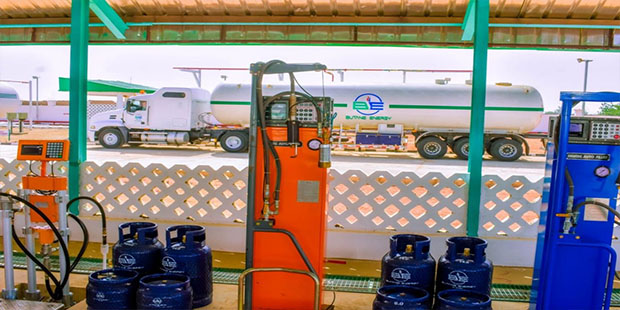
He attributed the programme’s progress to strong partnerships involving state governments, private sector collaborators, and the Coordinator of the Decade of Gas Programme. Their involvement has been critical in providing logistics, technical capacity, and support nationwide.
Ekpo told beneficiaries, largely women and youths, that the distributed cylinders are not just cooking tools but instruments of economic opportunity.
Read More : Sowore Returns to Resume Presidential Campaign
He said expanding LPG usage will stimulate local businesses, create jobs across the value chain, and accelerate economic growth, particularly in the entrepreneurship-driven Southeast.
The minister assured the public that the Nigerian government, through the Nigerian Midstream and Downstream Petroleum Regulatory Authority (NMDPRA), will continue to intensify LPG safety education and strengthen last-mile distribution to ensure safe, widespread adoption.
Ekpo concluded that the programme envisions a Nigeria where no child grows up inhaling harmful smoke, women cook safely and with dignity, forests are preserved, and gas becomes a true catalyst for national prosperity.