Trending
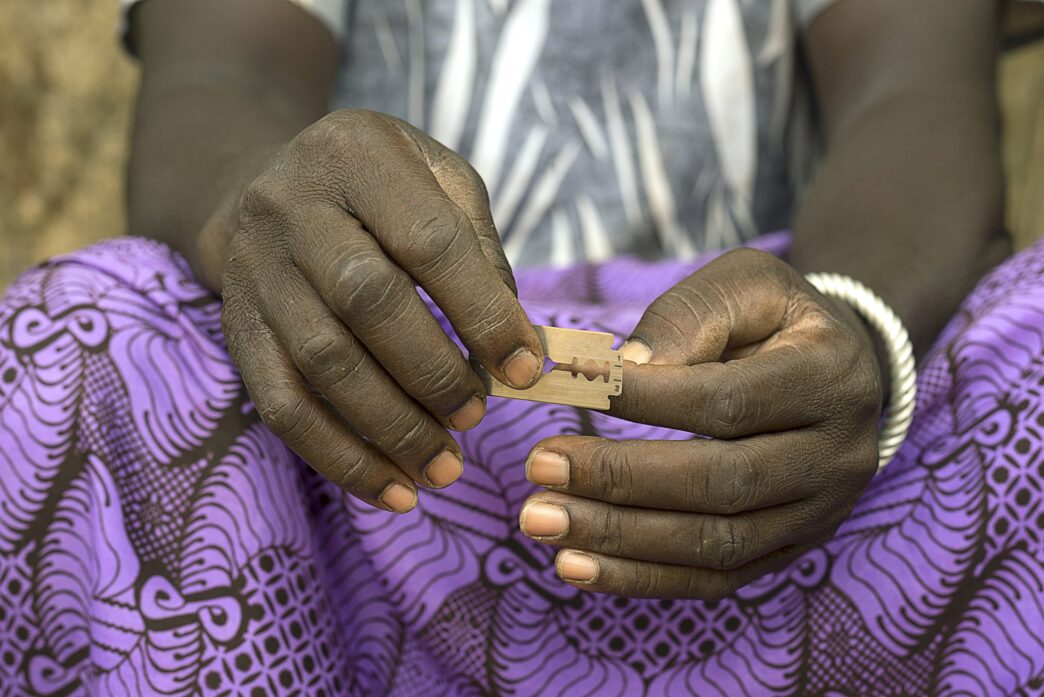
Women in southern Kenya protested angrily after a community elder said Female Genital Mutilation (FGM) had almost stopped in his village in southern Kenya.
The Maasai women at the meeting said the practice remains common in remote parts of Narok county, despite being illegal in Kenya since 2011. Under the law, anyone found guilty faces at least three years in prison or a fine of about $1,800.
The meeting was held in Entasekera village, around three hours from the nearest paved road, to discuss efforts to end the practice.
Read More : Somalia Rescues Oil Tanker From Pirates
“Why are you telling people that you have stopped when we have teenage girls coming to the hospital who have been cut?” one woman asked. Other women nodded in agreement, while men in the crowd remained silent.
Female genital mutilation involves cutting parts of a girl’s genitals and is often seen as a rite of passage before marriage. A local nurse told AFP that about 80 per cent of girls in the area are still affected.
The Kenyan government says FGM has dropped across the country. A 2022 survey showed the rate among teenage girls fell from 29 per cent in 1998 to nine per cent. Health workers and activists say those numbers do not reflect what is happening in some rural areas.
Maasai elder Moses Letuati, 50, told AFP that culture had changed and girls were no longer cut. He later admitted that one of his four daughters had undergone the practice.
Female circumcision is still found among the Maasai in southern Kenya, in parts of the northeast, and in some towns. Campaigners say some families now turn to health workers to carry out the cutting in secret.
At the meeting, many men said FGM should end, though one said he opposed it only because he believed an “uncut woman is better” in bed.
Residents described how social pressure continues to drive the practice. Girls who are not cut may be excluded from marriage or community events.
Martha, 18, said she was cut at age 10 in her home in Narok East after her father agreed to the procedure.
“I was screaming and struggling,” said Martha.
She later left home and moved to a shelter run by Mission With A Vision, an organisation that works with girls at risk of FGM.
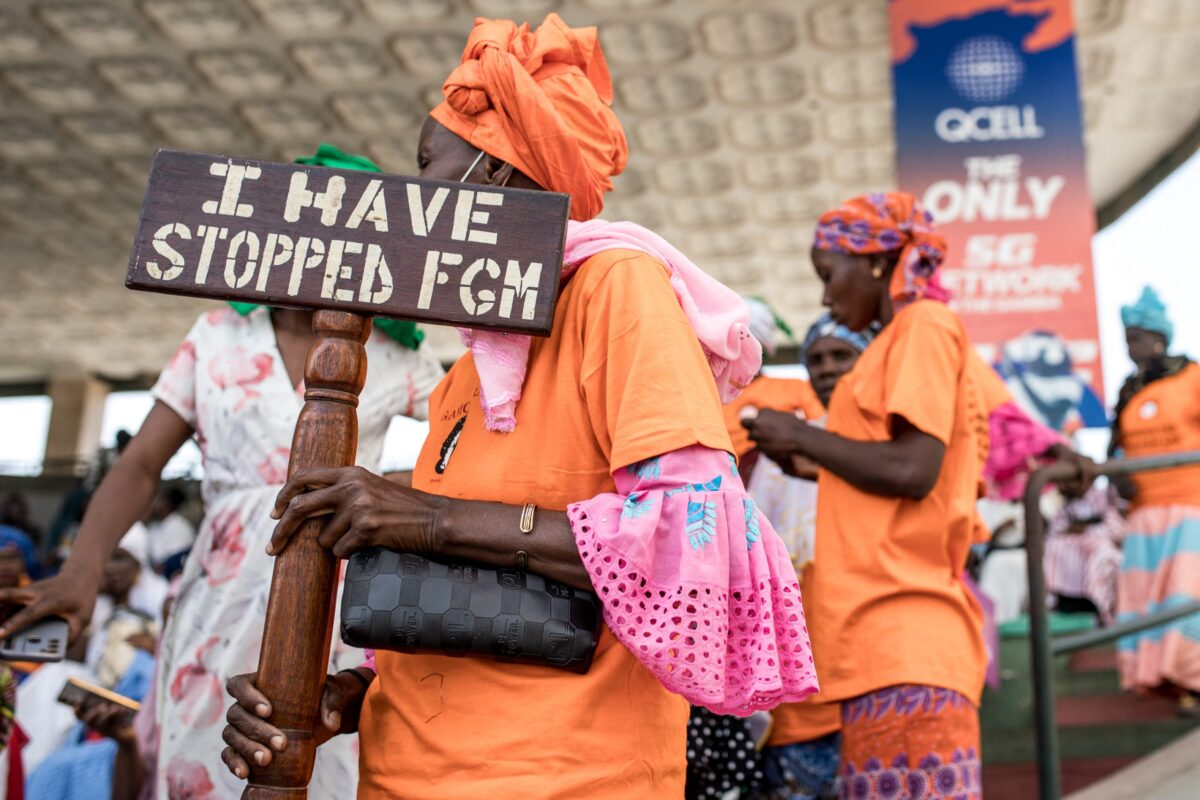
Its founder, Patrick Ngigi, said the group has assisted about 3,000 girls since 1997. The shelter, supported by the United Nations Population Fund, has security systems to protect residents from family members who oppose its work.
“It’s a dangerous job… You make so many enemies, but slowly with time, you get used to it,” said Ngigi, who has faced curses by community elders.
The belief that a girl should be cut before marriage and that she will be shunned if she does not is what keeps the practice alive in the community.
Read More : Kenyan Court Stalls Dangote’s Lamu Refinery
Change, according to Ngigi, necessitates education, communication, and the eradication of corruption.
“When a policeman comes and finds you doing it, you just give him something, and you continue,” he said.
But Raphael Maroa, a police officer, denied the allegations of corruption but said FGM is deeply rooted and that many girls are currently transported across the neighbouring Tanzanian border for the procedure.