Trending
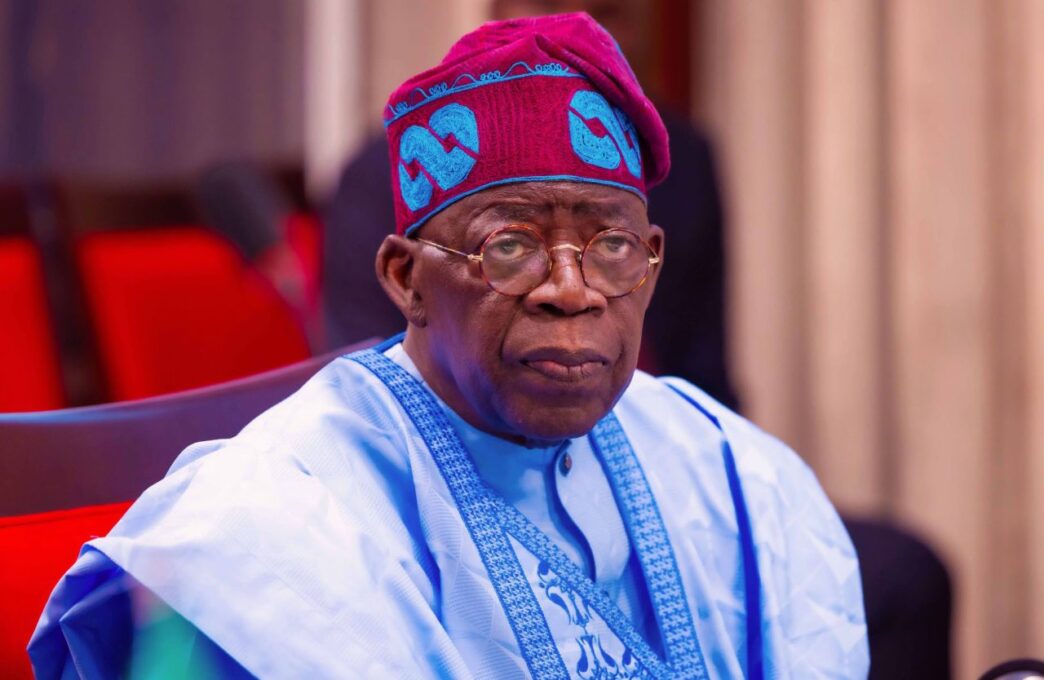
Nigeria’s President Bola Ahmed Tinubu has asked the Senate to approve the nominations of two new chief executives for the Nigerian Midstream and Downstream Petroleum Regulatory Authority (NMDPRA) and the Nigerian Upstream Petroleum Regulatory Commission (NUPRC), following the resignations of Engineer Farouk Ahmed, who led the Nigerian Midstream and Downstream Petroleum Regulatory Authority (NMDPRA), and Gbenga Komolafe, the outgoing head of the Nigerian Upstream Petroleum Regulatory Commission (NUPRC).
Both officials had served since 2021, having been appointed by former President Muhammadu Buhari during the initial rollout of the landmark Petroleum Industry Act (PIA).
Presidential spokesperson Bayo Onanuga confirmed the move on Wednesday, noting that the nominees are seasoned professionals capable of steering the agencies through the next phase of the PIA’s implementation.
Read More : CBN Cuts Benchmark Rate to 23 Percent
To fill the vacancy at the NUPRC, the President nominated Oritsemeyiwa Eyesan, a seasoned strategist with a storied 33-year career within the Nigerian National Petroleum Company (NNPC) and its various subsidiaries.
An Economics graduate from the University of Benin, Eyesan most recently served as the Executive Vice President for Upstream operations. Her extensive background in corporate planning and strategy is expected to bring a refined, data-driven approach to the commission responsible for overseeing Nigeria’s oil and gas reserves.

For the NMDPRA, the President has tapped Engineer Saidu Aliyu Mohammed, a Chemical Engineering graduate from Ahmadu Bello University with deep technical roots in the sector. His leadership has defined Mohammed’s career on some of the nation’s most critical infrastructure projects, including the Ajaokuta–Kaduna–Kano (AKK) gas pipeline and the Nigeria LNG Train initiatives. Having previously served as Managing Director of both the Kaduna Refinery and the Nigerian Gas Company, his appointment is seen as a strategic move to bolster Nigeria’s midstream and gas-to-power ambitions.
The nominations come at a pivotal moment as Nigeria seeks to maximise its hydrocarbon resources while navigating a complex global energy transition.
The Senate is now expected to review the nominations in an expedited fashion to ensure there is no vacuum in the regulatory oversight of the country’s most vital economic sector.