Trending
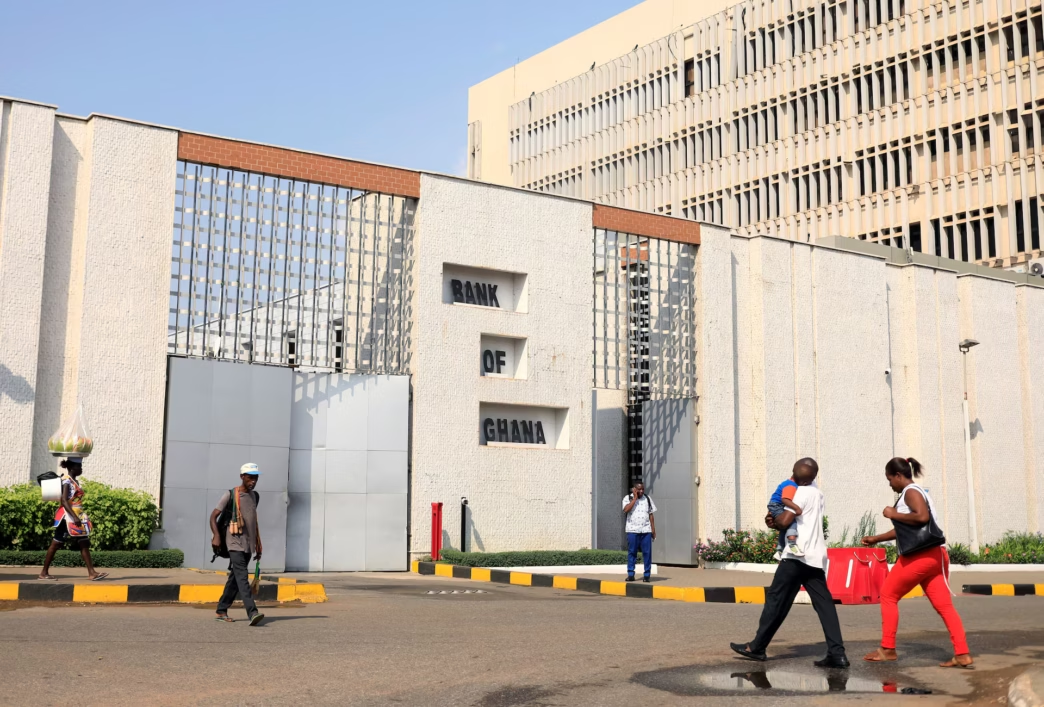
Ghana’s parliament on Thursday approved amendments to the Bank of Ghana Act, imposing stricter limits on central bank financing of government spending in a move aimed at safeguarding the bank’s independence.
Lawmakers said the Bank of Ghana (Amendment) Bill, 2025, is intended to improve transparency and accountability while strengthening institutional checks and balances.
The amended law stops the central bank from buying government securities on the primary market and tightens emergency lending rules that previously allowed officials to exceed a five per cent lending limit based on the previous year’s revenue.
Read More : Ghana Inflation Hits 5.2 Percent in September
Under the new framework, emergency financing is restricted to clearly defined situations such as natural disasters, public health emergencies, or crises formally declared by the president.
The reforms follow criticism of the central bank’s heavy support for government spending during and after the COVID-19 pandemic, a period in which Ghana lost access to international capital markets, inflation surged, and the Bank of Ghana recorded negative equity after extending overdrafts and other financial assistance to address budget shortfalls.
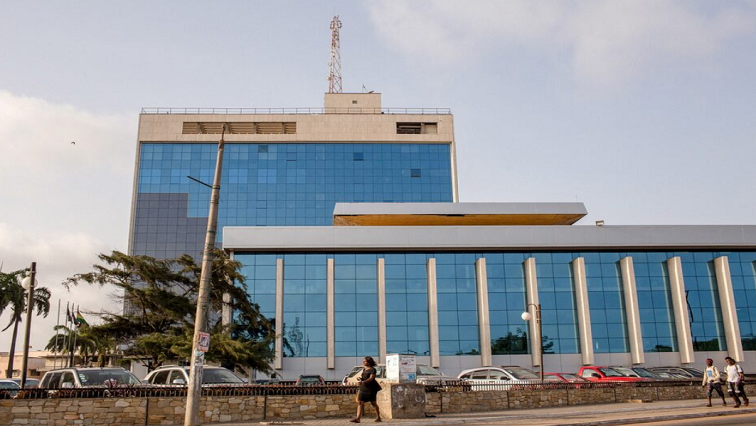
The law also bans all direct and indirect loans from the central bank to the government, except in exceptional and clearly defined circumstances such as temporary revenue shortfalls. Any such lending must carry clear repayment terms, be subject to strict limits, and receive parliamentary approval.
Also, the legislation introduces stricter eligibility requirements for appointing members of the central bank’s board and strengthens audit and oversight mechanisms.
These measures are in line with Ghana’s 2023 agreement with the International Monetary Fund to curb central bank financing, stabilise inflation, and restore investor confidence.
Read More : Ghana Moves to Join BRICS
Speaking during the debate on the bill, Finance Minister Cassiel Ato Forson said the amendments would “strengthen the central bank” while preserving its independence.
He said the bill provides a mechanism for the automatic recapitalisation of the Bank of Ghana in the event of significant losses, helping to ensure continuity of monetary operations and financial stability.
Forson added that the reforms would reinforce the bank’s autonomy, improve the effectiveness of monetary policy, and restore confidence in the country’s financial system.