Trending
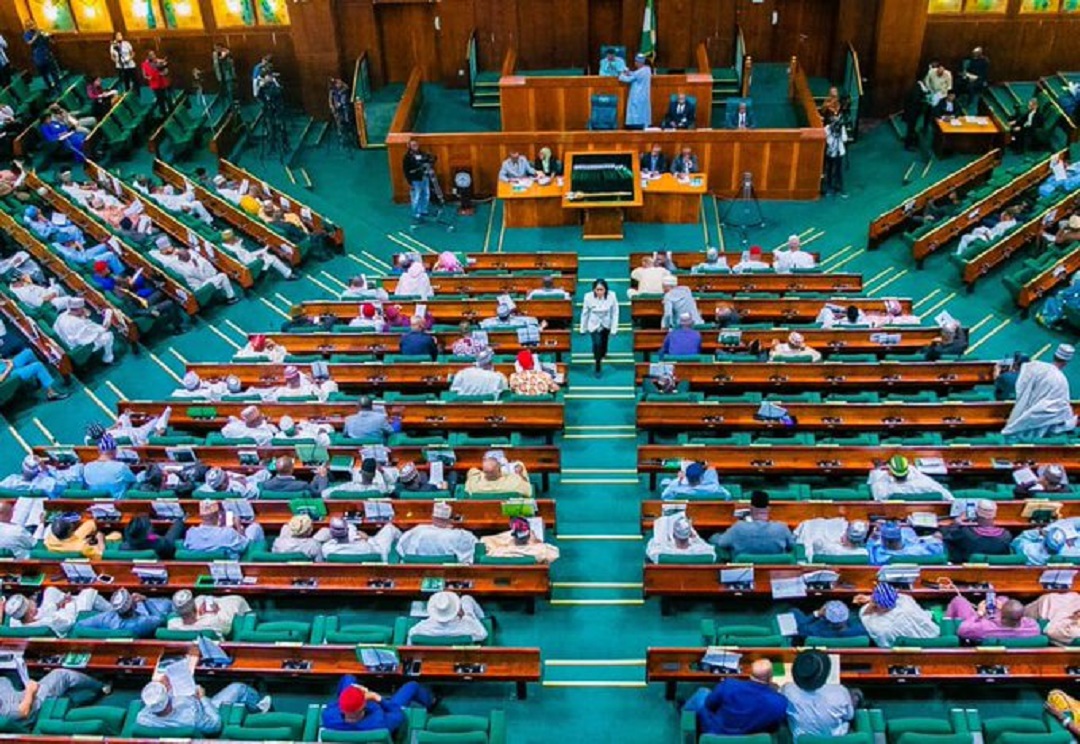
Nigeria’s House of Representatives on Wednesday passed the Electoral Act (Amendment) Bill, 2025, but rejected a proposal to criminalise vote-buying during political party primaries.
Lawmakers voted down a clause that would have imposed a two-year jail term, without the option of a fine, on anyone found guilty of financially or materially inducing delegates to influence the outcome of party primaries, congresses or conventions.
The provision was removed during a clause-by-clause review of the bill at the Committee of the Whole, presided over by Deputy Speaker Benjamin Kalu.
The rejection means the amended law will not include criminal sanctions specifically targeting inducement at party primaries.

Following the bill’s passage, the chairman of the House Committee on Electoral Matters, Adebayo Balogun, said lawmakers chose limited amendments rather than a full repeal of the Electoral Act 2022 after several proposals failed to gain broad support.
“In legislative practice, a repeal of an existing law and enactment of a new law is appropriate where the proposed changes fundamentally transform the identity of the principal Act,” Balogun said.
Balogun said the bill was first introduced to repeal the existing law and replace it with a new electoral framework, but key proposals such as early voting, voting by inmates, replacing the Permanent Voters’ Card with alternative accreditation methods, and changes to electoral timelines did not secure sufficient backing at the committee level.
He said the amendments adopted were aimed at strengthening the current electoral framework, addressing gaps and improving implementation without destabilising the existing law.