Trending
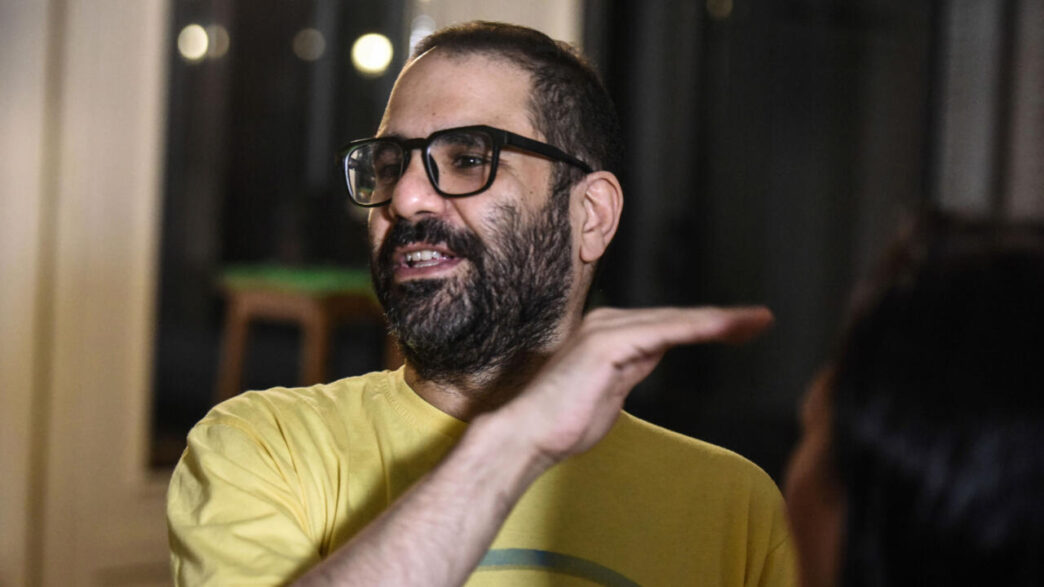
A British-Egyptian activist, Alaa Abdel Fattah, has issued an apology after old social media posts calling for violence against Zionists and police resurfaced, sparking political outrage in the UK and prompting opposition figures to demand that his British citizenship be revoked.
The comments, originally posted in 2010, emerged only days after Abdel Fattah returned to Britain following years of diplomatic pressure by London to secure his release from detention in Egypt.
Prime Minister Keir Starmer welcomed Abdel Fattah’s return, saying he was pleased to see him reunited with his family. However, senior figures from the Conservative Party and the hard-right Reform UK party criticised the government’s response and called for his deportation.
In a statement released on Monday, December 29, Abdel Fattah acknowledged the impact of the posts and expressed regret.
He said that, when viewed now, the messages were understandably shocking and offensive, adding that he apologised without reservation. He also insisted that some of the posts had been misinterpreted or taken out of context.
Abdel Fattah was a prominent figure during Egypt’s 2011 Arab Spring uprising. He was arrested in September 2019 and later sentenced to five years in prison in December 2021 on charges of spreading false news.
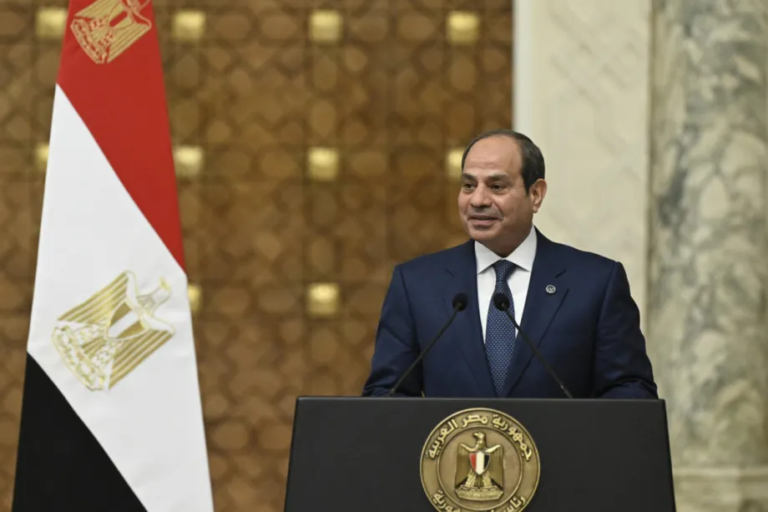
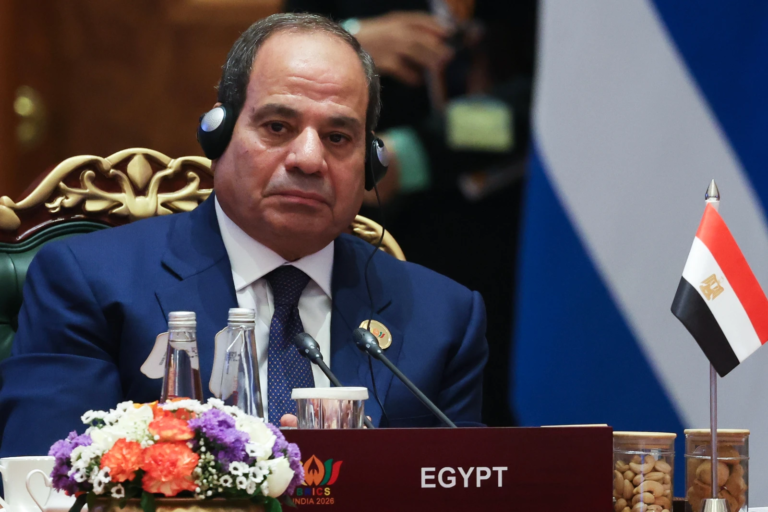
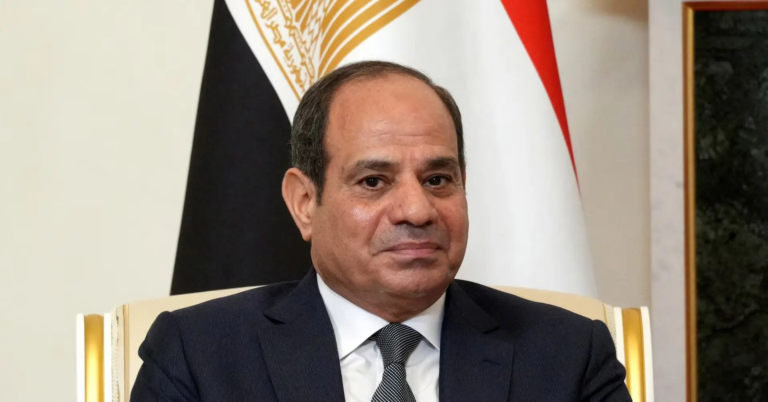
Earlier this year, he staged a hunger strike while incarcerated before being released in September following a presidential pardon from Egypt’s President Abdel-Fattah el-Sisi.
The UK Foreign Office condemned the resurfaced posts on Sunday, describing them as unacceptable, while reiterating that securing Abdel Fattah’s release had long been a priority across successive British governments.
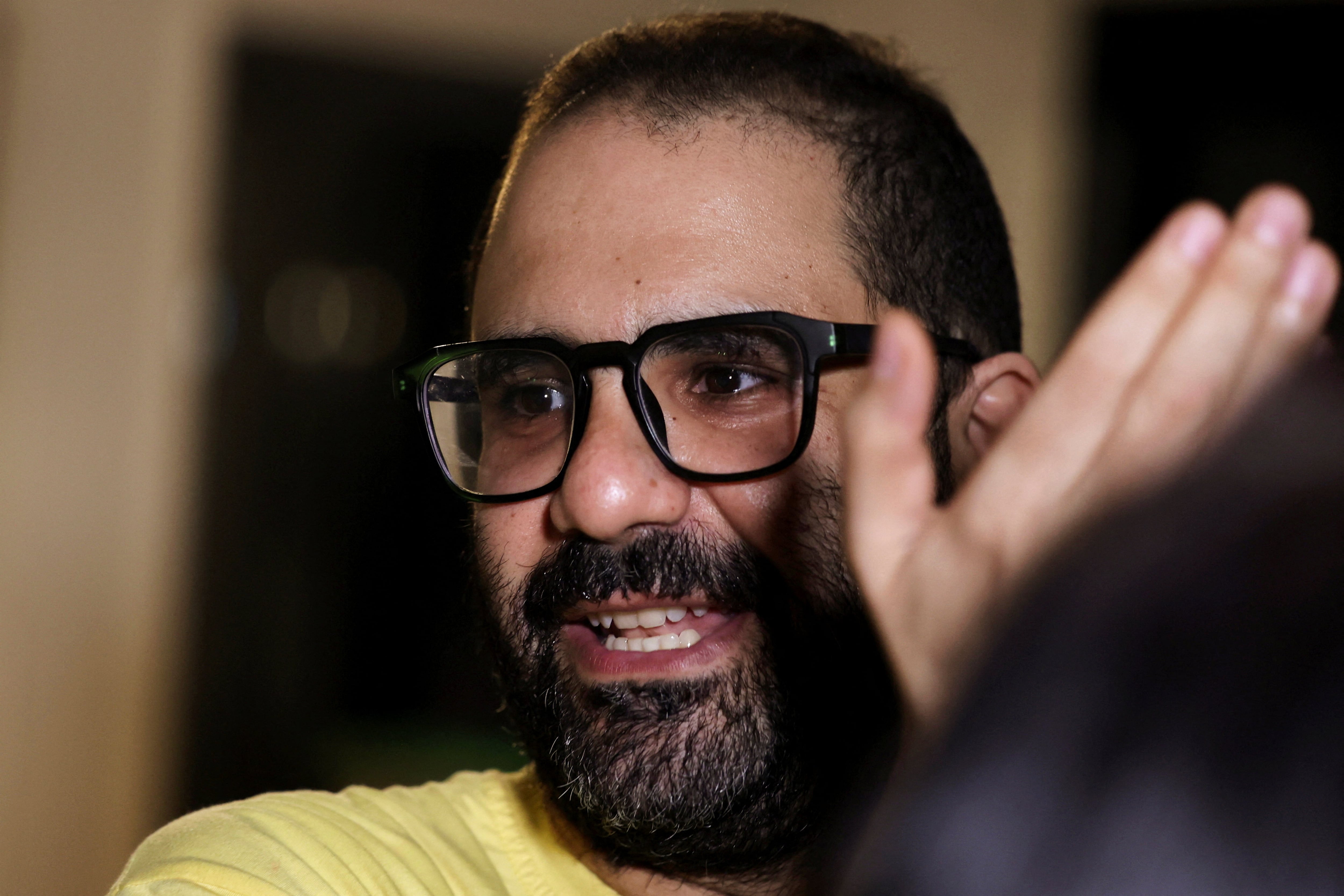
A government official, speaking anonymously, said on Monday that the Foreign Office was reviewing how the case had been handled, although no further details were provided.
Abdel Fattah was granted British citizenship in December 2021 under the previous Conservative government through his British-born mother, who herself undertook a hunger strike during her son’s imprisonment.
Conservative justice spokesman Robert Jenrick said the prime minister should withdraw his positive remarks if he had been unaware of Abdel Fattah’s past statements and called for steps to revoke his citizenship and remove him from the country.
Reform UK leader Nigel Farage also weighed in, writing to Home Secretary Shabana Mahmood and urging her to order Abdel Fattah’s deportation.
Farage argued that individuals holding what he described as racist or anti-British views should not be permitted to live in the UK.
Downing Street said the prime minister had not been aware of the old posts when he welcomed Abdel Fattah’s return.
A spokesman added that British citizenship can only be removed in cases involving fraud or for individuals deemed to pose an extreme threat, such as terrorists or serious organised criminals, noting that the legal threshold is high.
Read More : Egypt to Host Africa Business Summit
Abdel Fattah arrived in Britain on Friday after Egypt’s public prosecutor lifted an apparent travel ban.
Campaigners said he has since been reunited with his 14-year-old son, who lives in Brighton.
Although Abdel Fattah was nominated for the European Parliament’s Sakharov Prize in 2014, the nomination was later withdrawn after organisers discovered a 2012 tweet in which he called for the killing of Israelis.