Trending

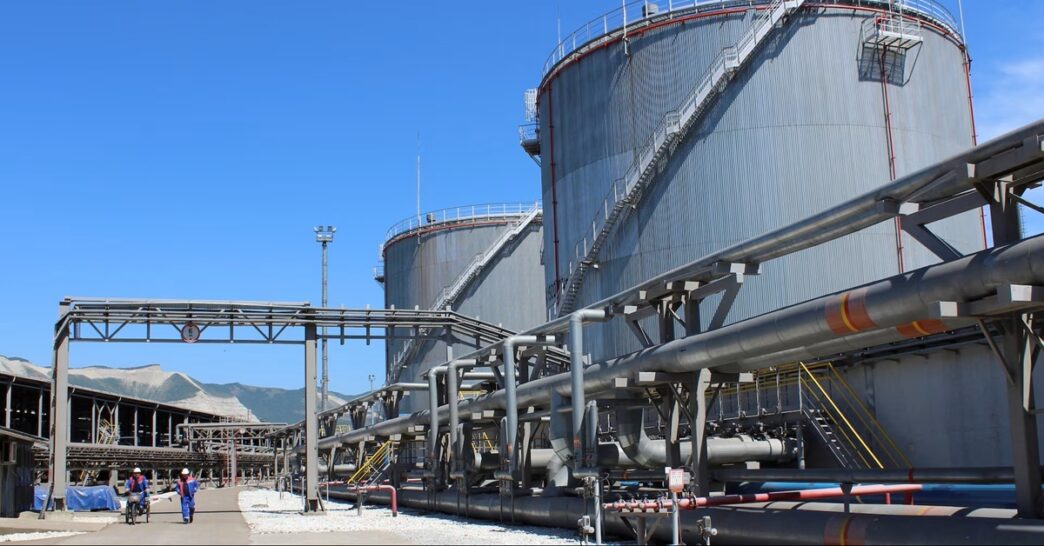
Oil prices were largely flat on Tuesday as markets weighed fading optimism over a potential Russia–Ukraine peace agreement against escalating geopolitical tensions in the Middle East, particularly around Yemen.
Brent crude futures for February delivery, which expire later on Tuesday, rose 15 cents to $62.09 a barrel by 0918 GMT. The more actively traded March contract gained 12 cents to $61.61 a barrel.
Both Brent and U.S. West Texas Intermediate (WTI) crude settled more than 2 per cent higher in the previous session following Saudi Arabia’s launch of airstrikes in Yemen and renewed tensions between Moscow and Kyiv. Russia accused Ukraine of targeting the residence of President Vladimir Putin, a claim Kyiv dismissed as baseless and intended to derail peace negotiations.
Read More : Five Quakes Rattle South Türkiye
After a phone call with Putin, U.S. President Donald Trump said he was angered by details surrounding the alleged attack.
Market analysts said the renewed hostilities had dampened hopes of an imminent diplomatic breakthrough. “I think the markets are sensing that a deal is going to be very hard to come by,” said Marex analyst Ed Meir.

Supply concerns were further heightened by strikes carried out by a Saudi-led coalition on what it described as foreign military support for UAE-backed southern separatists in Yemen. The coalition has reportedly called on UAE forces to withdraw from the country as tensions escalate between the two Gulf oil producers.
Traders were also monitoring broader regional developments after Trump said the United States could back another major strike on Iran if Tehran resumed rebuilding its ballistic missile or nuclear weapons programmes.
Despite the renewed geopolitical risks, analysts caution that expectations of a well-supplied global oil market could limit further price gains. Meir said crude prices were likely to trend lower in the first quarter of 2026 due to what he described as a “growing oil glut.”