Trending
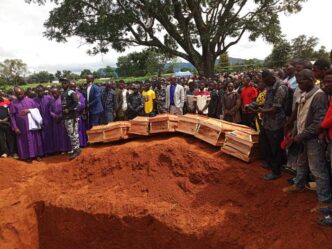
2025 was a weighty and turbulent year for Nigeria, marked by overlapping events that unfolded with little pause and left a deep imprint on everyday life. From high-stakes political developments and persistent insecurity to debates over education, economic pressures, and even deeply personal family issues, matters once confined to private spaces or policy circles repeatedly spilled into the national spotlight, shaping conversations across homes, streets and digital platforms alike. Below are some of the events that made major headlines in 2025.
State of Emergency in Rivers State
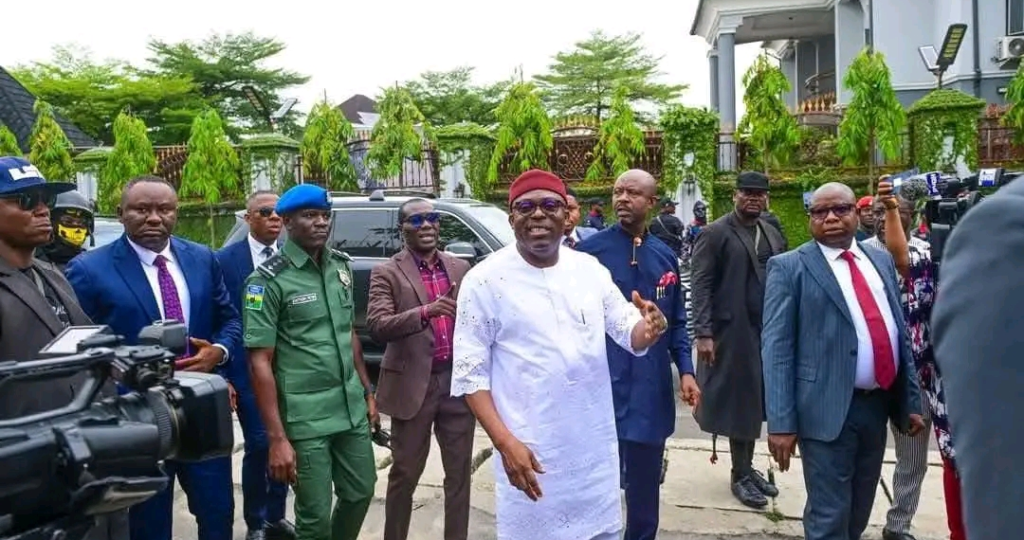
One of the most serious political developments of 2025 was the declaration of a state of emergency in Rivers State by President Bola Tinubu. In March 2025, President Bola Tinubu declared a state of emergency in Rivers State after months of political conflict between Governor Siminalayi Fubara and the State House of Assembly. The dispute split lawmakers and blocked the passage of a budget, bringing governance to a standstill.
In a national broadcast, Tinubu said he was “greatly disturbed” by the crisis and that “all that hope burned out without any solution.” He invoked Section 305 of the Constitution, saying, “No good and responsible President will stand by” while the situation continued.
The declaration suspended the governor, his deputy and all elected lawmakers for six months. Tinubu appointed retired Vice Admiral Ibokette Ibas as administrator, saying he would not make new laws. The emergency period ended in September 2025.
Senate Clash Between Akpabio and Natasha
The clash between Senate President Godswill Akpabio and Kogi Central senator Natasha Akpoti-Uduaghan became one of the most talked-about political stories of 2025. It began in February during a Senate plenary session, when Natasha protested the reassignment of her seat following changes in the minority caucus. She refused to move and insisted on remaining in her former position. Senate leaders said the change was allowed under Senate rules and warned that senators must sit in designated seats to be recognised to speak.
When Natasha attempted to speak without approval, Akpabio ruled her out of order. She responded defiantly, saying, “I don’t care if I am silenced; I am not afraid. You have denied me my privilege.” Akpabio then directed the Sergeant-at-Arms to remove her from the chamber, though other senators stepped in to calm the situation.
Soon after, in a TV interview, Natasha accused Akpabio of sexual harassment. She claimed he made unwanted advances in his office and residence, and said her problems in the Senate started after she refused. Akpabio denied the allegations. The Senate later dismissed her petition on procedural grounds and suspended her for misconduct, saying the suspension was unrelated to the claims.
Akpabio’s wife, Ekaette, filed defamation suits seeking ₦350 billion in damages over what she described as harm to her husband’s reputation. In December, Akpabio himself also filed a separate defamation case, asking for ₦200 billion in general damages, ₦500 million in litigation costs, and a public apology and retraction of the allegations in national newspapers.
Political Defections
In 2025, many politicians changed parties, often in large groups. Most of them moved to the ruling All Progressives Congress (APC), while opposition parties, especially the People’s Democratic Party (PDP), lost many members. In most cases, once a governor defected, lawmakers and state officials followed.
The first major defection happened in April in Delta State, when Governor Sheriff Oborevwori left the PDP for the APC. His predecessor, Ifeanyi Okowa, state officials and more than 20 lawmakers later joined him. Similar group defections later happened in Akwa Ibom, Enugu, Bayelsa and Rivers states. In December, Rivers State Speaker Martin Amaewhule and 16 lawmakers defected, followed days later by Governor Siminalayi Fubara.
The defections also affected the National Assembly. Several PDP senators and members of the House of Representatives crossed to the APC, increasing its majority. Outside the APC and PDP, former Kaduna governor Nasir el-Rufai and former Vice President Atiku Abubakar moved to the ADC.
By the end of the year, the APC controlled most state governments and had a strong majority in the National Assembly, as it confirmed what many already believed: ideology remains weak in Nigerian politics. Lawmakers and governors switched parties in waves, often justifying their moves with vague language about “the interest of the people”, but it felt less like a contest of ideas and more like survival and positioning ahead of future elections.
‘Country of Particular Concern’
In 2025, relations between Nigeria and the United States became tense after US President Donald Trump announced that Nigeria would be placed on the US religious freedom watchlist. In a social media post, Trump said Nigeria would be listed as a Country of Particular Concern (CPC), claiming that Christians were being targeted. He wrote that “Christianity is facing an existential threat in Nigeria” and alleged that “thousands of Christians are being killed.”
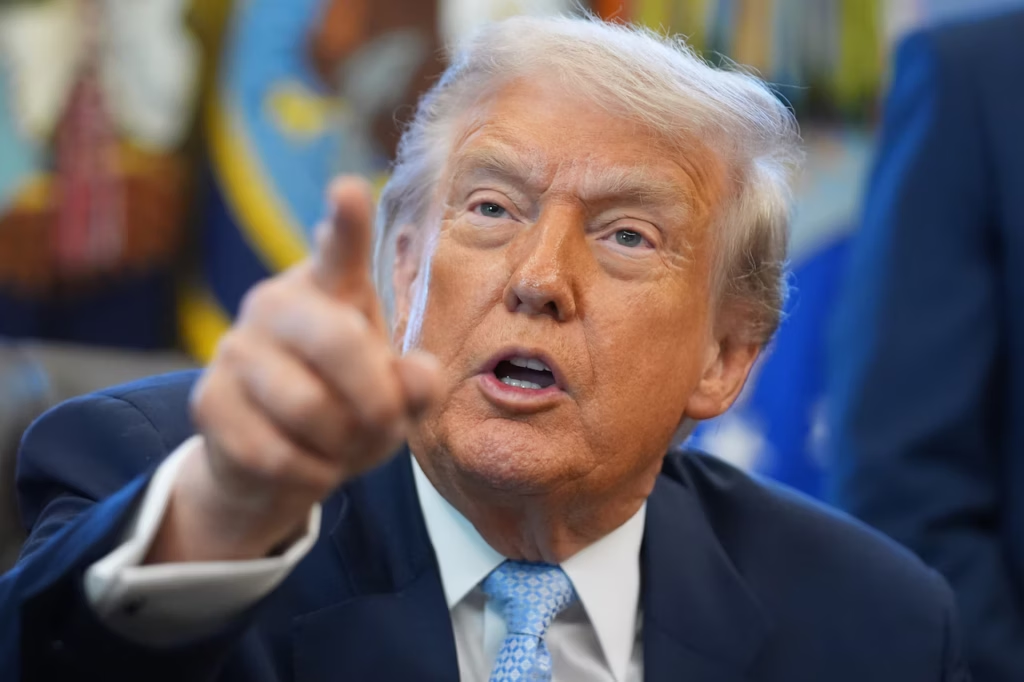
The Nigerian government rejected the claim, saying insecurity in the country is caused by criminal gangs and terrorism, not religious persecution. Officials said violence affects people of different religions and ethnic groups, depending on the area.
Under US law, countries can be designated CPCs if their governments are found to tolerate serious, repeated violations of religious freedom. Later in the year, the Trump administration announced new travel restrictions on Nigerians, citing security and vetting concerns. The policy limited access to several visa categories.
Violence Across Many States
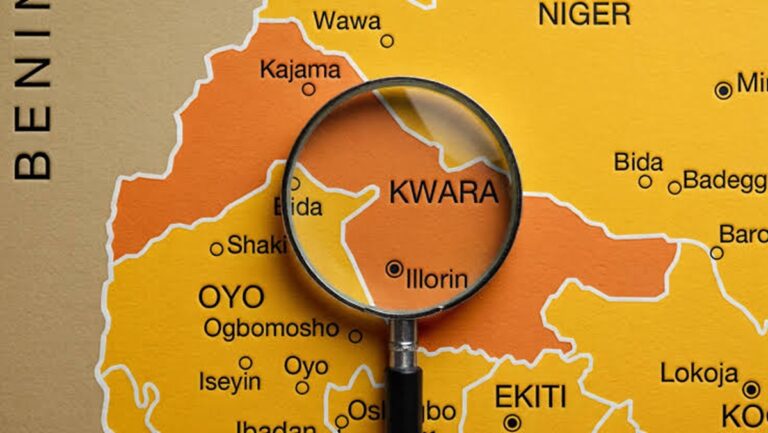
In 2025, violent attacks were reported in several parts of Nigeria, including Plateau State, Benue State and Kwara State. In many communities, people were killed, homes were destroyed, and others were kidnapped.
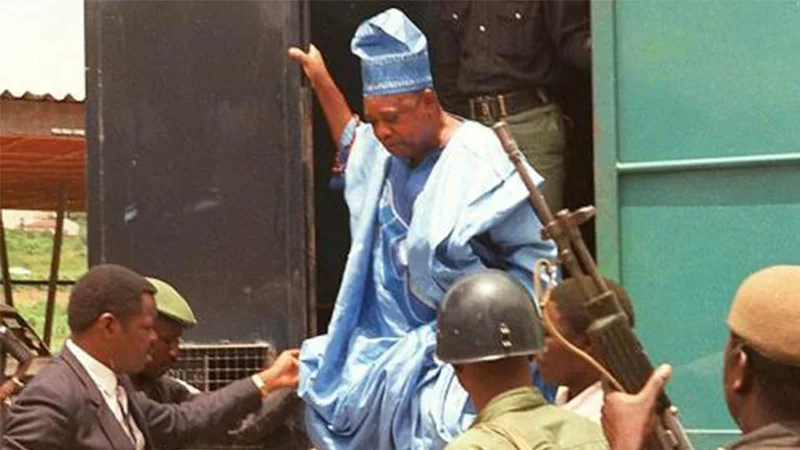
These attacks were often discussed on social media. Videos, photos, and personal stories spread quickly, angering and frightening many Nigerians. Over time, some people began to describe the violence as a “Christian genocide”. This claim became popular online, especially as the attacks continued. However, the government said the situation was more complex, that the violence often involved land disputes, ethnic tensions, and criminal gangs, not only religion.
Celebrity Family Crises
The year 2025 saw several high-profile celebrity stories in Nigeria, but two stood out for their drama, public breakdowns, family fights, and social media buzz. These were the messy end of music icon 2Baba’s marriage to Annie Idibia, followed by his new relationship with politician Natasha Osawaru, and the breakdown of actress Regina Daniels’ marriage to billionaire politician Ned Nwoko.
When musician 2Baba announced his divorce from Annie Idibia in January, it caused a stir on social media. He proposed to Edo lawmaker Natasha Osawaru before the dust settled, and by the middle of the year, they had a private, traditional wedding. The fairytale was short-lived. Soon after, there were reports of arguments, family conflicts, and purported police involvement overseas, which turned the romance into yet another public drama.
The other major story involved Nollywood actress Regina Daniels and her husband, Senator Ned Nwoko. They married in 2019 and had two children. Regina was Ned’s sixth wife in his polygamous setup. Trouble began early in 2025, with rumours of issues. By February and March, Regina had removed Ned’s name from her social media bio and stopped wearing her wedding ring. Ned was seen at events with another wife.
The crisis became public in October when a viral video showed Regina in tears, saying she felt like “nothing” in Ned’s house but a “queen” in her own house. She accused him of violence and abuse. Ned denied the claims, saying Regina had issues with drugs and alcohol and needed rehabilitation. He accused her of violence toward staff and property damage. Regina later said they were never legally married in court and told Ned to leave her alone.
School Kidnappings
Nigeria faced a severe spike in school kidnappings in 2025, especially in the northwest and north-central regions. Armed groups, often called bandits, targeted boarding schools for ransom. Data from groups like the Armed Conflict Location & Event Data Project showed at least 47 incidents of student abductions recorded in Nigeria between 2024 and 2025. The number of such cases doubled in 2024 compared to the year before, and the trend continued into 2025.
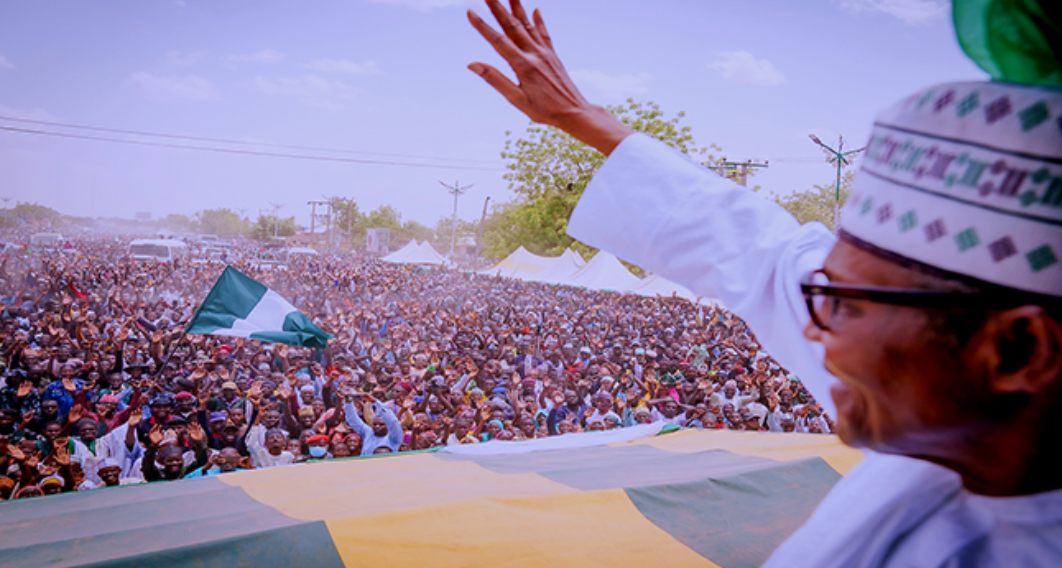
The most serious incident happened on November 21, 2025, when gunmen attacked St. Mary’s Catholic Primary and Secondary School in Papiri, Niger State. Reports said gunmen abducted between 230 and 315 people, including 303 students (boys and girls aged 10-18, and some as young as 5) and 12 teachers. This made it one of the largest school abductions since the famous Chibok case in 2014.
The attack came just days after another incident on November 18, 2025, when 25 schoolgirls were taken from Government Girls Comprehensive Secondary School in Maga, Kebbi State. One vice principal was killed in that attack.
Coup Plot Leak
In 2025, Nigeria was shaken by reports of an alleged coup plot against President Tinubu. The reports said about 20 military officers were arrested over claims that they were planning to overthrow the government.
According to the reports, the situation created tension within government circles and led to the cancellation of the National Independence Day military parade on 1 October due to security concerns. An investigative panel was said to have been set up, with claims that the officers planned coordinated actions against top officials, including Vice President Kashim Shettima, Senate President Godswill Akpabio, and House Speaker Tajudeen Abbas.
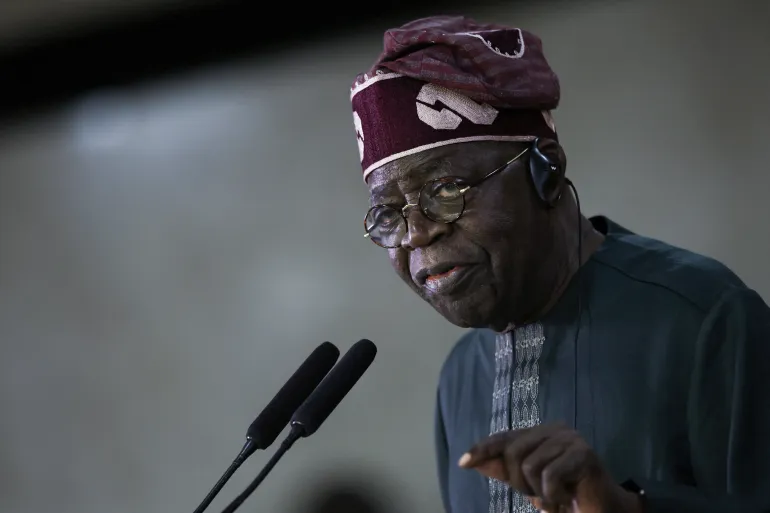
The Presidency and the military did not confirm details of a coup plot. On 4 October, the Defence Headquarters said the officers were being investigated for “indiscipline and breach of service regulations”, and that the matter was linked to career issues rather than an attempt to seize power.
However, the reports added to the tense mood of 2025 and brought back memories of Nigeria’s past military takeovers.
FATF Grey List
For once in 2025, Nigeria recorded clear positive news. The country officially exited the Financial Action Task Force (FATF) grey list, ending years of close international monitoring over weaknesses in its fight against money laundering and terrorism financing.
The confirmation came from the Nigerian Financial Intelligence Unit (NFIU) after the decision was formally announced at the FATF plenary held in Paris, France. The Director and Chief Executive Officer of the NFIU, Hafsat Bakari, described the development as “a collective victory for Nigeria’s financial system.”
While the decision did not immediately change daily life for most Nigerians, it mattered in practical ways. Exiting the grey list reduced the risk of stricter checks on Nigerian banks, made international transactions easier, and improved the country’s image in the global financial system.
JAMB and WAEC Issues

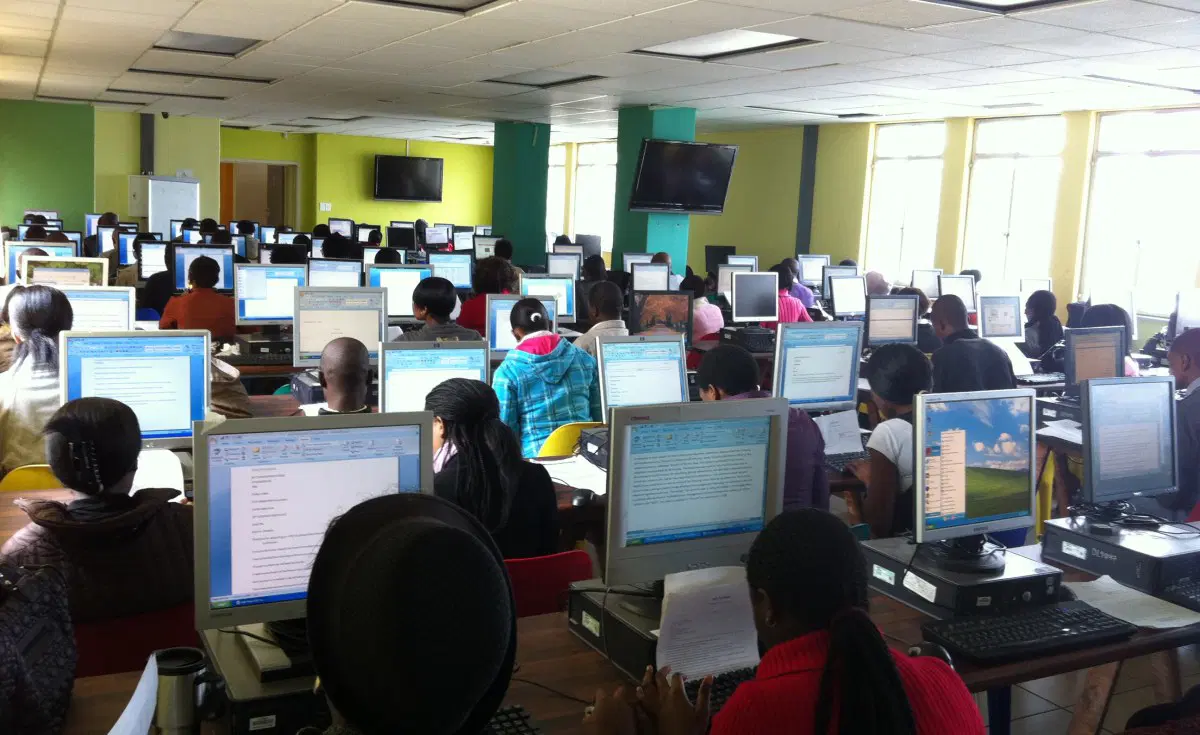
The education sector suffered badly in 2025, especially with the two main exams run by the Joint Admissions and Matriculation Board (UTME) and the West African Examinations Council (WASSCE).
The 2025 UTME affected about 1.5 million candidates. When results were released in May, more than 78% scored below 200, triggering public anger. Many candidates complained of technical issues during the computer-based test. After pressure, JAMB admitted errors, apologised and allowed affected candidates to retake the exam.
The 2025 WASSCE also faced setbacks. About 1.97 million candidates sat for the exam, with delays during the English paper due to efforts to prevent leaks. Initial results showed a low pass rate, but WAEC later admitted that grading errors were caused by system bugs. Corrected results were released, raising the pass rate to about 63% from 38.32%.
Babangida made the admission during the launch of his autobiography, A Journey in Service, in Abuja. The June 12 election is widely regarded as Nigeria’s freest and fairest.
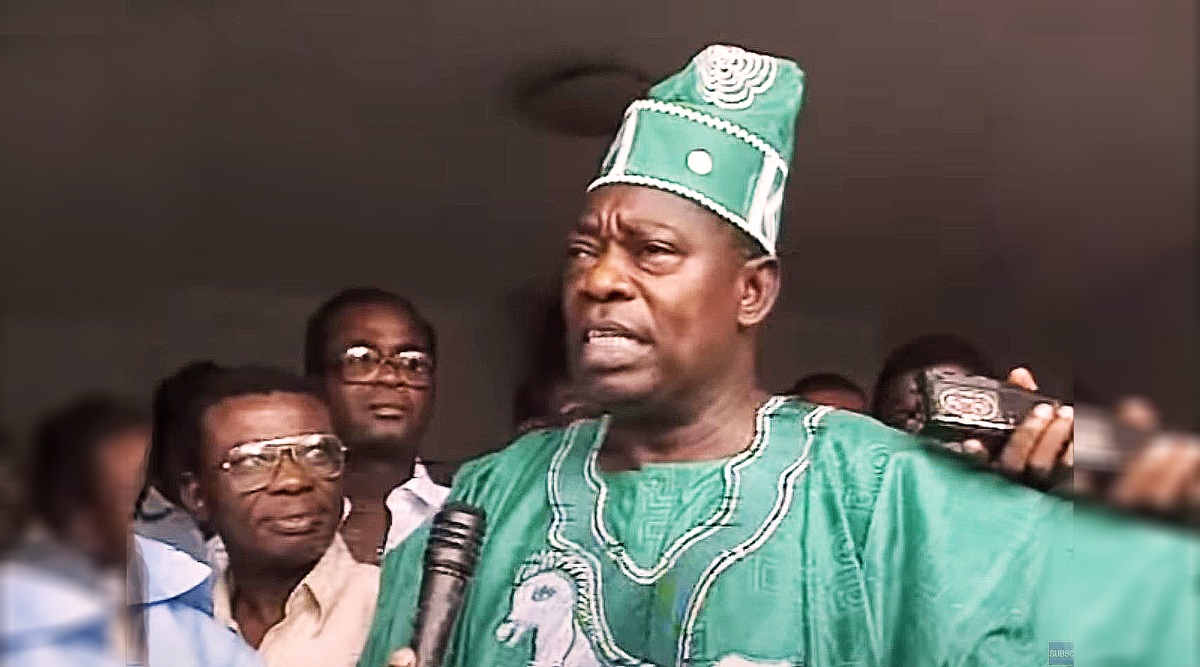
Abiola, who contested on the platform of the Social Democratic Party, defeated Bashir Tofa of the National Republican Convention. Unofficial results showed Abiola won 8,128,720 votes against Tofa’s 5,844,247 and met the required geographical spread.
The Babangida-led military government annulled the election on June 23, 1993, citing security concerns and electoral irregularities. The decision sparked nationwide protests, political unrest and Abiola’s detention after he declared himself president, and his death in custody in 1998.
“Mistakes, oversight and missteps happened in quick succession, but as I state in my book, in all matters, we acted in the supreme national interest so that Nigeria could survive.”