Trending
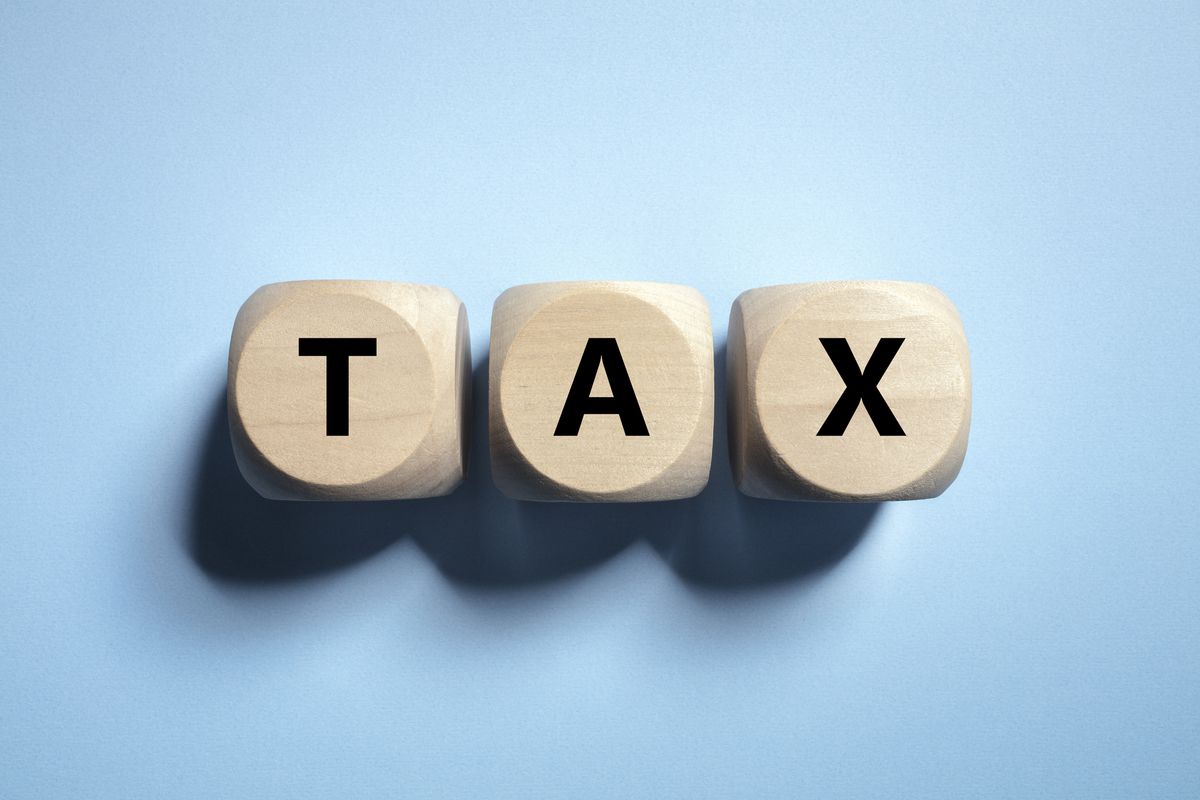
Nigeria officially implemented a comprehensive new tax regime on Thursday, a move the Tinubu administration describes as a vital step toward broadening the national tax base while providing relief to small enterprises and low-income citizens.
The reform, anchored by four legislative acts signed last June, seeks to modernise the country’s fiscal framework. By consolidating various levies into a “one-stop shop,” the Nigerian government aims to boost its tax-to-GDP ratio—currently at 13.5%—closer to global standards to better fund public infrastructure and social services.
Legal and Political Contention
Read More : Key Takeaways from Tinubu’s Independence Speech
The rollout proceeded despite significant pushback from opposition figures.
Atiku Abubakar, the leading opposition voice, alleged that the government made “illegal alterations” to the tax code after the legislative process.
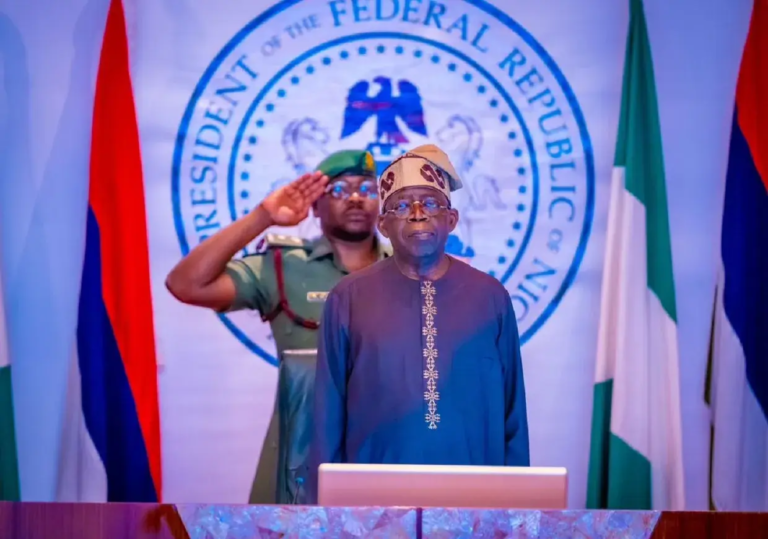
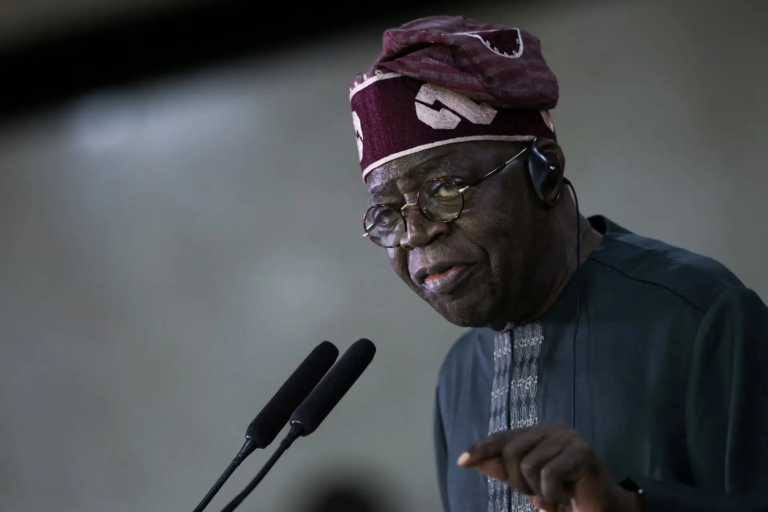
President Bola Tinubu has dismissed these claims as “premature” and maintained that the reforms are necessary to build a “fair and competitive” fiscal foundation for West Africa’s largest economy.

Key Objectives of the Reform
According to Taiwo Oyedele, head of the tax reform committee, the new system focuses on three primary pillars:
Harmonisation: Streamlining tax collection across Nigeria’s 36 states to eliminate redundant levies.
Economic Growth: Reducing the financial strain on the most vulnerable earners to stimulate local commerce.
Sustainability: Strengthening the state’s capacity to finance long-term investments through transparent administration.
While the government insists no substantial issues warrant a delay, the opposition’s allegations of unauthorised changes continue to shadow the implementation of this ambitious fiscal pivot.