Trending
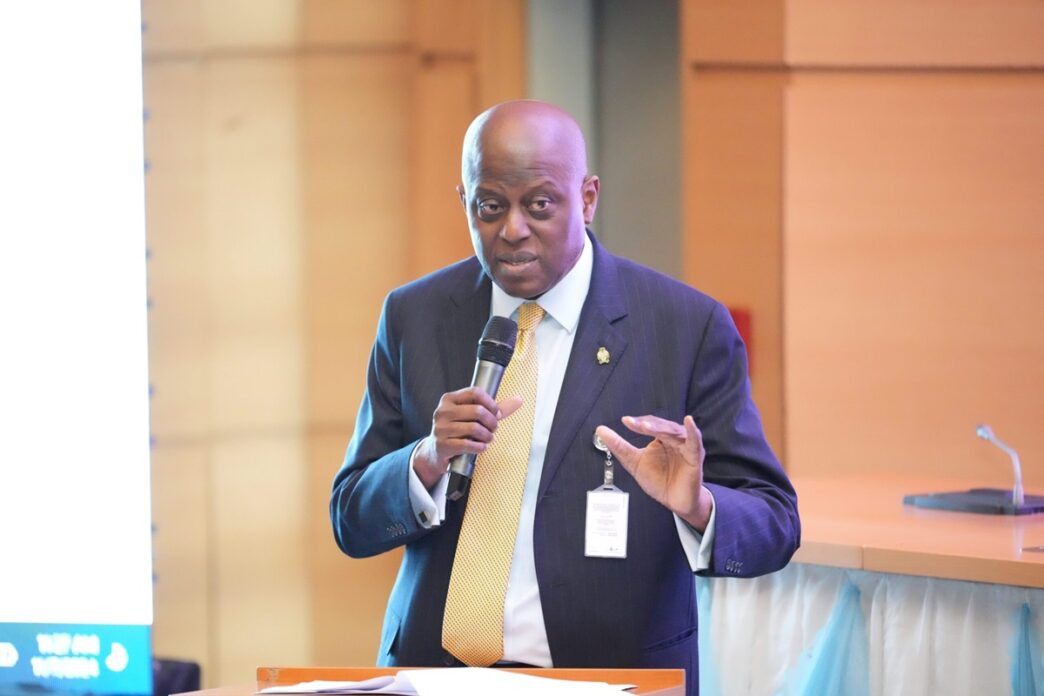
The Central Bank of Nigeria (CBN) will prioritise tighter banking supervision, inflation control, payment system upgrades, and institutional reforms in 2026, according to its governor, Olayemi Cardoso.
Cardoso said the Central Bank of Nigeria would continue efforts to strengthen oversight of the banking sector and improve governance standards, while refining its inflation-targeting framework to achieve sustained price stability.
He said the central bank plans to modernise Nigeria’s payments infrastructure to improve efficiency and expand financial inclusion. The bank also intends to support financial technology innovation within the framework of rules aimed at consumer protection and maintaining financial system integrity.
“As we begin 2026, our priorities are clear: we will continue to strengthen the banking system through rigorous supervision and sound governance,” Cardoso wrote in a post on X on Saturday.
“Refine our inflation-targeting framework to deliver durable price stability; modernise the payments infrastructure to improve efficiency and inclusion; and foster responsible fintech innovation anchored on consumer protection and financial integrity.”
Cardoso added that the central bank intends to continue building institutional capacity within the bank, leveraging data and AI-enabled tools to support faster, more responsive, and higher-quality execution.
He said the bank would deepen “strategic partnerships that reinforce Nigeria’s credibility and standing as a trusted, forward-looking central bank.
The CBN governor added that reforms would remain focused on stability and long-term growth, noting that consistent implementation was essential to achieving lasting results.
“Reform is a process that rewards consistency and discipline. As the new year begins, our focus remains steady: to protect trust, sustain stability, and entrench the foundations for disciplined, lasting economic growth in Nigeria. I wish you all a productive, fulfilling, and successful year ahead.”