Trending
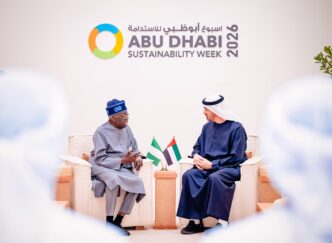
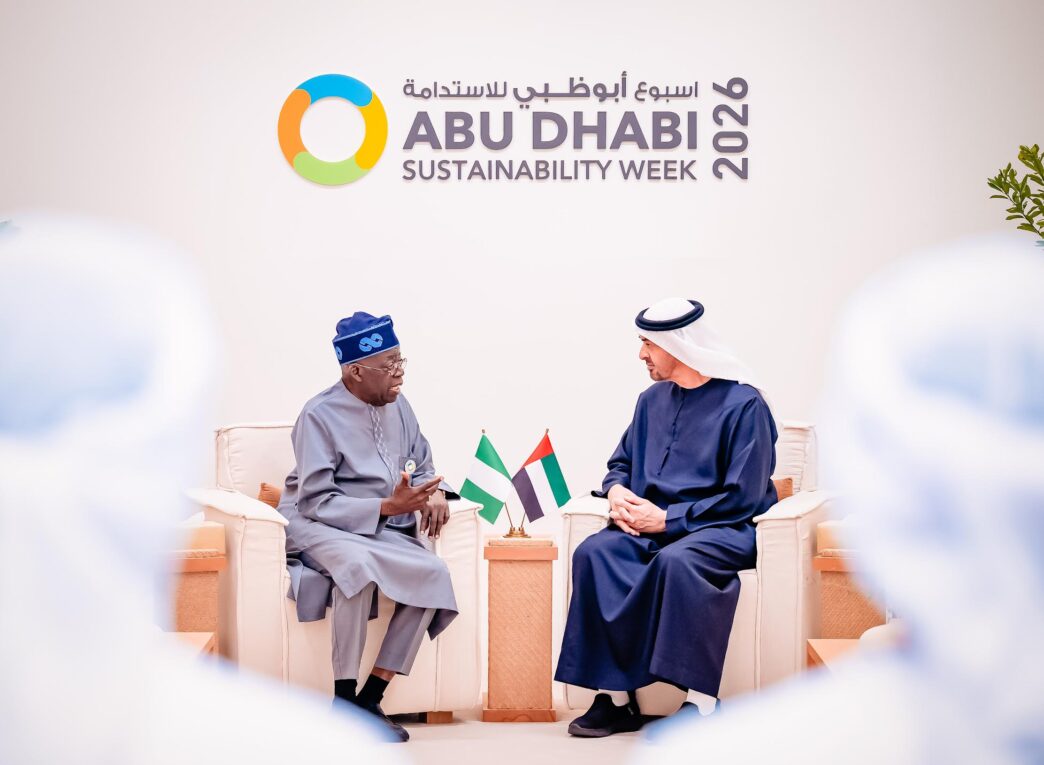
Nigeria and the United Arab Emirates (UAE) have agreed to eliminate tariffs on more than 13,000 goods under a new trade pact signed in January 2026, Nigeria’s trade minister Jumoke Oduwole said.
The two countries signed a Comprehensive Economic Partnership Agreement (CEPA) in Abu Dhabi, according to the Federal Ministry of Industry, Trade and Investment, which led Nigeria’s negotiations.
Oduwole said the UAE would eliminate tariffs on more than 7,000 Nigerian products, including agricultural goods, pharmaceuticals and chemicals.
She said tariffs on additional Nigerian exports, such as machinery, vehicles, electrical equipment, apparel, and furniture, would be phased out over a three- to five-year period.
“For Nigerian exporters, the UAE will eliminate tariffs on over 7,000 products,” Oduwole said.

“Immediately, our agricultural and industrial products – fish and seafood, oil seeds, cereals, cotton, pharmaceuticals, chemicals and more, will enter the UAE market duty-free.
“Over the next three to five years, the UAE will eliminate tariffs on Nigerian machinery, vehicles, electrical equipment, apparel, and furniture.”
The agreement, according to Oduwole, would allow Nigerian companies to establish subsidiaries, branches and other corporate entities in the UAE.
“Nigerian industrial exports now have a clear and competitive pathway into one of the world’s most dynamic trading hubs. In addition, Nigerian businesses can establish operations in the UAE through new corporate entities, branches, and subsidiaries,” she added.
“Nigerian business visitors can enter the UAE for up to 90 days in 12 months to explore trade and investment opportunities, while intra-corporate transferees, our managers, executives, and specialists, can relocate with their corporate entities for renewable three-year periods.
“For Nigeria’s investment climate, this Agreement addresses longstanding impediments to foreign direct investment. UAE investors now have clarity and confidence to invest in Nigeria’s productive sectors. This will support Nigeria’s industrialisation agenda, enhance transport and logistics connectivity, and contribute to the creation of quality jobs for our youthful population.”
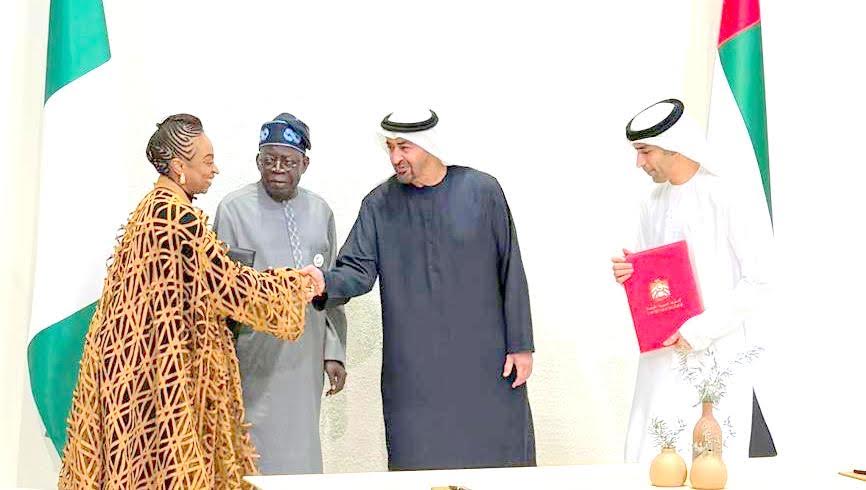
On Nigeria’s commitments, Oduwole said the country would eliminate tariffs on about 6,000 goods imported from the UAE.
“For trade in goods, Nigeria will eliminate tariffs on around 6,000 products,” she said. “Tariffs on around 60 % of these products will be eliminated immediately, with the remainder phased over five years.”
She said the affected imports are mainly industrial inputs, capital goods and machinery, adding that Nigeria’s import prohibition list would remain in effect.
On services, Oduwole said Nigeria’s commitments under the agreement cover 99 services across 10 sectors, including business services, communications, transport, financial services, construction, distribution, health, environment, recreational/sporting, and tourism.
She described the CEPA as “a strategic instrument for economic transformation” and said it was intended to support industrial development and attract investment into productive sectors of the economy.
“CEPA is a strategic instrument for economic transformation. With significant market access secured for value-added and industrial goods, this agreement incentivises Nigerian manufacturers to scale production for export,” Oduwole said.
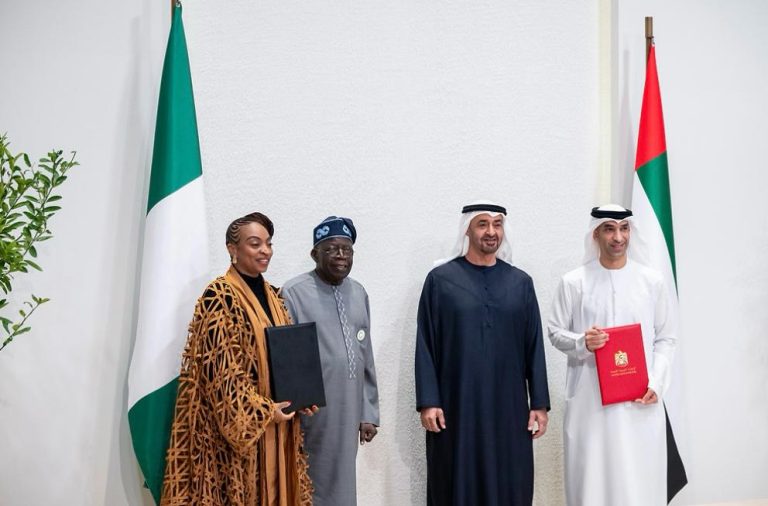
“The CEPA also positions Nigeria as the gateway for international investors seeking access to the African Continental Free Trade Area and its 1.4 billion people.”
Implementation of the agreement will involve several government agencies, including the Nigeria Customs Service (NCS), alongside FMITI agencies such as the Nigerian Export Promotion Council (NEPC), the Nigerian Investment Promotion Commission (NIPC) and the Standards Organisation of Nigeria (SON), the minister noted.
She also noted that the agreement is consistent with Nigeria’s obligations under the World Trade Organisation, the African Continental Free Trade Area, and the Economic Community of West African States.