Trending
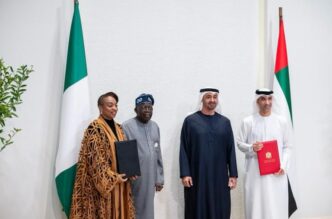
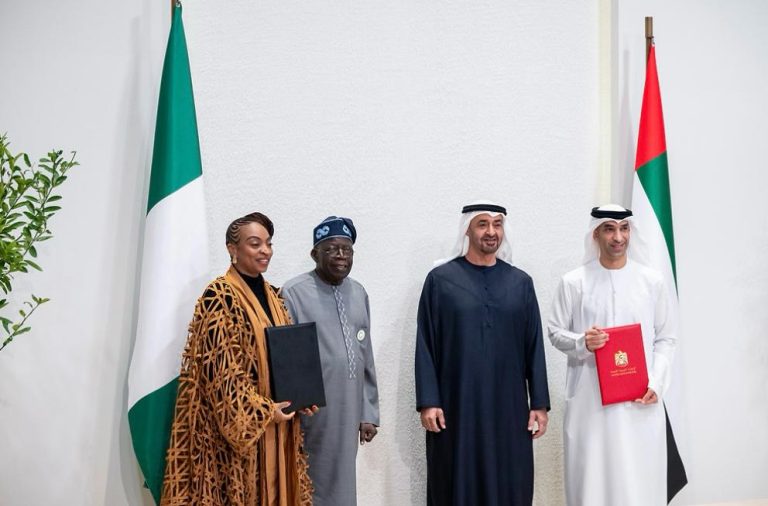
Nigeria has signed a new trade agreement with the United Arab Emirates that the government says will expand market access for Nigerian goods, attract investment, and support economic diversification.
The deal, known as the Comprehensive Economic Partnership Agreement (CEPA), was signed in Abu Dhabi on January 13, 2026.
Here is a clear breakdown of what the agreement is, what Nigeria gains, and what it commits to.
What is the Nigeria–UAE CEPA?
The Nigeria–United Arab Emirates Comprehensive Economic Partnership Agreement (CEPA) is a bilateral trade and investment agreement designed to significantly deepen economic relations between both countries. It removes trade barriers, improves market access, and provides stronger protections and certainty for investors and businesses.
It was negotiated by Nigeria’s Federal Ministry of Industry, Trade and Investment and led by the minister, Jumoke Oduwole, under the economic reform agenda of President Bola Tinubu.
Oduwole, in a statement, said the Nigeria-United Arab Emirates CEPA will transform economic ties between our two nations and deliver tangible benefits for Nigerian businesses, professionals, and workers.
This Agreement, according to her, prioritises market access for “Nigerian goods and services, facilitates quality investment inflows, and advances our national economic diversification” under the Renewed Hope Agenda of President Bola Ahmed Tinubu GCFR.
What Nigeria Stands to Gain
1. Duty-Free Access to the UAE Market
Under the agreement, the UAE will remove tariffs on more than 7,000 Nigerian products. This means Nigerian exports such as fish and seafood, oil seeds, cereals, cotton, pharmaceuticals, and chemicals can enter the UAE without import duties.
Over the next three to five years, tariffs will also be removed on Nigerian machinery, vehicles, electrical equipment, apparel, and furniture. This gives Nigerian manufacturers a clearer path into one of the world’s busiest trade hubs.
2. Easier Entry for Nigerian Businesses and Professionals
Nigerian companies can now set up branches, subsidiaries, or new corporate entities in the UAE. Business visitors from Nigeria can stay in the UAE for up to 90 days within a year to explore commercial opportunities.
In addition, Nigerian managers, executives, and specialists working for companies can relocate to the UAE for renewable three-year periods under intra-corporate transfer arrangements.
3. Improved Investment Confidence in Nigeria
The Nigerian government says the CEPA removes long-standing concerns for UAE investors by offering clearer rules and protections.
This is expected to boost foreign direct investment into Nigeria’s productive sectors, support industrial growth, improve transport and logistics, and create jobs, especially for young Nigerians.
“For Nigeria’s investment climate, this Agreement addresses longstanding impediments to foreign direct investment. UAE investors now have clarity and confidence to invest in Nigeria’s productive sectors,” Oduwole said
“This will support Nigeria’s industrialisation agenda, enhance transport and logistics connectivity, and contribute to the creation of quality jobs for our youthful population.”
UAE institutions have already shown interest, including First Abu Dhabi Bank, particularly in infrastructure financing such as the Lagos–Calabar Coastal Road.

What Nigeria Is Giving in Return
1. Tariff Reductions on Selected Imports
Nigeria will eliminate tariffs on about 6,000 products. Around 60 per cent of these tariffs will be removed immediately, while the rest will be phased out over five years.
The affected imports are concentrated in industrial inputs, capital goods, and machinery that will strengthen Nigeria’s productive capacity. Nigeria’s Import Prohibition List remains in effect.
2. Opening Selected Service Sectors
Nigeria has made commitments covering “99 specific services across 10 sectors, including business services, communication, transport, financial services, construction, distribution, health, environment, recreational/sporting, and tourism.”
Why the Government Says the Deal Is Strategic
According to the Trade Ministry, the CEPA is meant to push Nigeria away from raw exports toward value-added and industrial production.
With better access to the UAE market, Nigerian manufacturers are expected to scale up output for export.
The agreement also positions Nigeria as a gateway for investors seeking access to the African Continental Free Trade Area, which has a market of about 1.4 billion people.
Officials say the deal aligns with Nigeria’s obligations under the World Trade Organisation, ECOWAS, and the African Continental Free Trade Area.
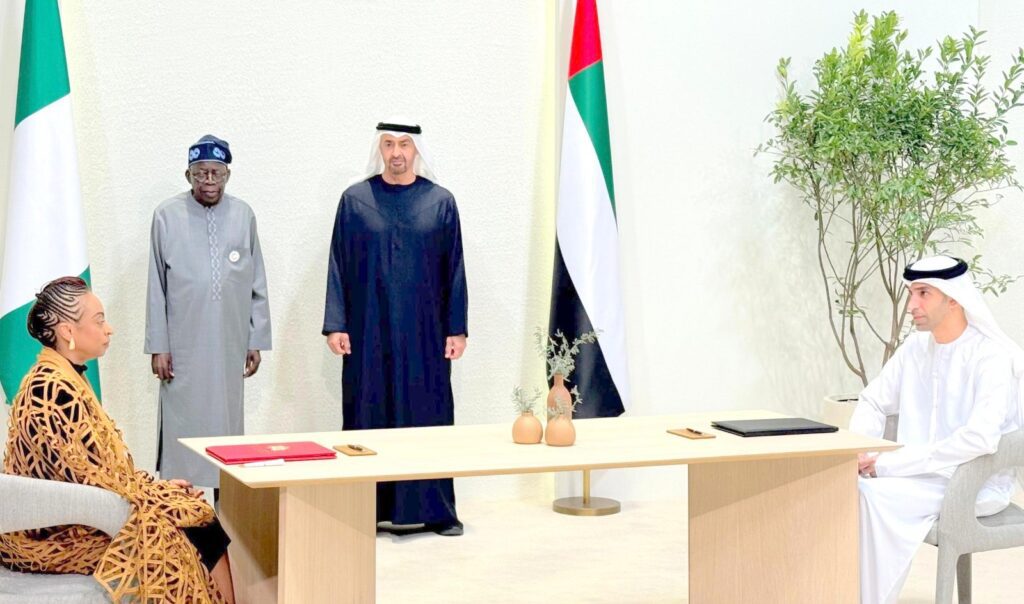
President Tinubu, in a post on X, said the agreement provides duty-free access for thousands of Nigerian products, expands opportunities for exporters and manufacturers, and gives UAE investors clearer terms for investing in Nigeria.
“For Nigerians, this agreement is not abstract. It opens duty-free access for thousands of Nigerian products into the UAE, expands opportunities for our exporters, manufacturers, and service providers, and gives UAE investors clearer confidence to back Nigeria’s productive economy,” he wrote.
“This comprehensive agreement also supports our industrialisation and diversification goals and strengthens Nigeria’s position as a gateway for trade and investment into Africa.
“This is the work of economic reform, purposeful engagement and measured partnerships. The outcomes will serve Nigeria’s long-term national interest.”
What Happens Next
The Federal Ministry of Industry, Trade and Investment says implementation will begin immediately.
Agencies such as the Nigeria Customs Service, Nigerian Export Promotion Council, Nigerian Investment Promotion Commission, and the Standards Organisation of Nigeria are expected to “ensure that Nigerian businesses, and the investors we host, have the information, support, and facilitation they need to take swift and full advantage of this Agreement in line with Mr. President’s “Nigeria First” directive.”
Oduwole urged Nigerian businesses to move quickly, saying the agreement was negotiated with the private sector in mind and offers new access not just to the UAE, but to wider Middle Eastern and global markets, noting that Nigeria is “open for business.”
“To the Nigerian private sector: this Agreement was negotiated for you. I urge you to identify your opportunities with enhanced market access and move with confidence into the UAE market with the protections we have secured for you.
“Nigeria is open for business, and Nigerian businesses now have open access to the UAE, the Middle East and the rest of the world.”