Trending
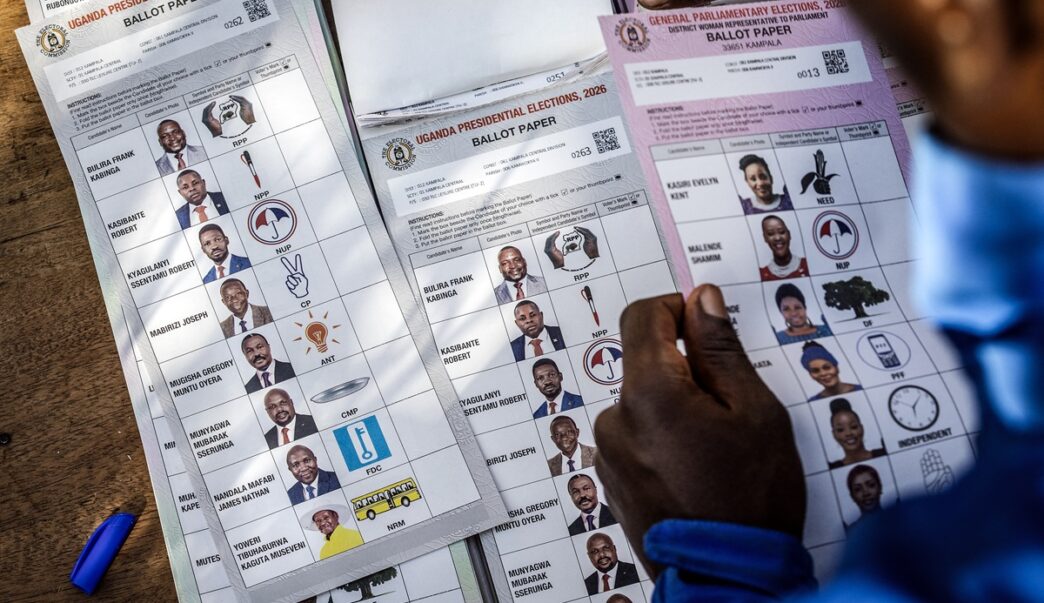
Uganda’s opposition has accused authorities of deliberately disrupting Thursday’s presidential election with reports of delayed voting, internet blackout and an intensified security crackdown.
President Yoweri Museveni, 81, is widely tipped to secure a seventh term, buoyed by firm control over state institutions and the security forces.
His main challenger, Bobi Wine, 43, commands strong support in Kampala’s informal settlements, branding himself as the “ghetto president.”
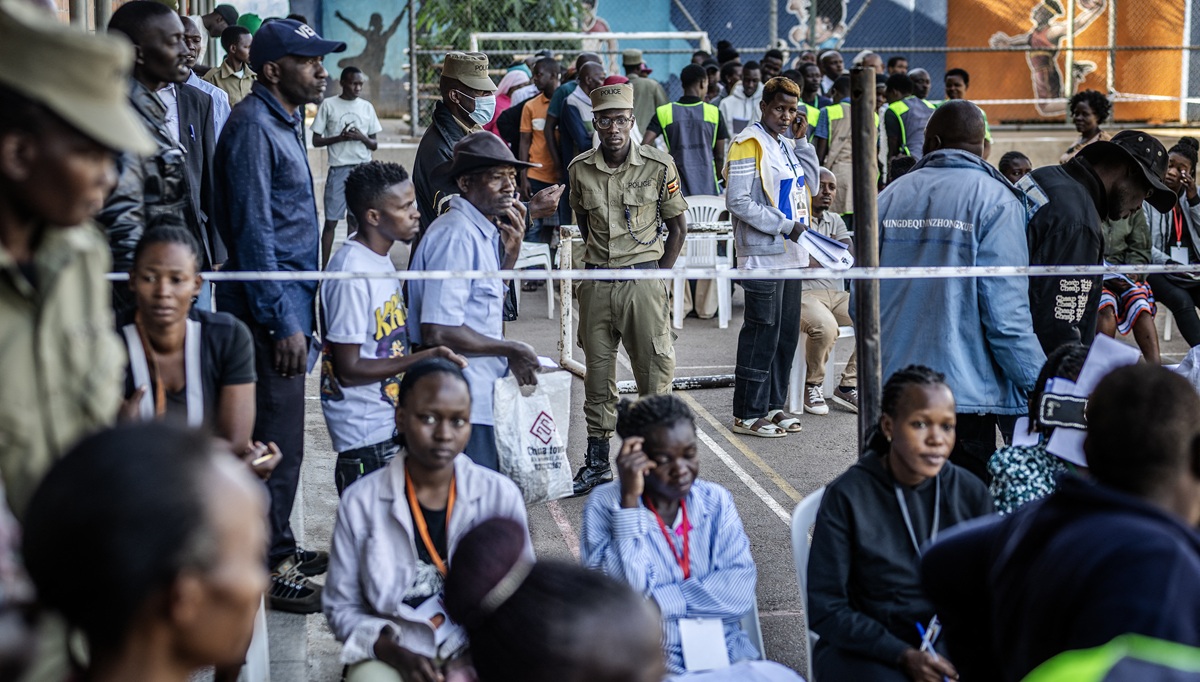
However, hours after polling stations were scheduled to open, voting had not begun in many areas.
AFP journalists reported malfunctioning biometric voter verification machines and the late delivery of ballot boxes in parts of the capital and the nearby city of Jinja.
Some opposition figures linked the disruptions to a nationwide internet shutdown imposed by the government earlier in the week, despite earlier assurances that it would not be enforced.
David Lewis Rubongoya, secretary general of the opposition National Unity Platform, said most polling units he visited in Kampala had not commenced voting, describing the situation as a deliberate attempt to undermine the process.
He contrasted this with areas around military installations, where voting reportedly began on time, a claim seconded by AFP reporters who observed polling stations opening as scheduled near military housing.
The presidency downplayed the complaints, with spokesperson Faruk Kirunda saying technical issues affected only some polling units and that officials had switched to manual voter verification to allow voting to proceed.
At a polling station on the outskirts of Kampala, voting began about four hours late after officials abandoned electronic verification.
Some voters have expressed frustration, accusing authorities of trying to discourage turnout by exhausting voters.
The government has defended the internet shutdown as a measure to curb misinformation and incitement to violence, a justification the United Nations has criticised as deeply troubling.
Another prominent opposition figure, Kizza Besigye, a four-time Museveni challenger, remains on trial for treason after being abducted in Kenya in 2024 and returned to Uganda to face a military court.
Despite growing criticism, Museveni retains support among segments of the population who credit him with restoring stability after years of post-independence turmoil and overseeing periods of economic growth, even as corruption scandals have persisted.
In the days leading up to the vote, Museveni struck a defiant tone, urging citizens to vote and warning that anyone attempting to interfere with the process would be dealt with forcefully.
Security forces were heavily deployed across major cities, with police cautioning that the election should not be used as a pretext for unrest amid fears of protests similar to those recently seen in Kenya and Tanzania.
Rights groups and journalists have raised alarms over the conduct of the polls. Reporters have faced harassment, while Human Rights Watch condemned the suspension of 10 non-governmental organisations this week, including election monitoring groups, saying the opposition continues to face what it described as brutal repression.
Bobi Wine has vowed to mobilise protests if the results are manipulated.