Trending
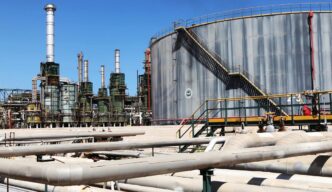
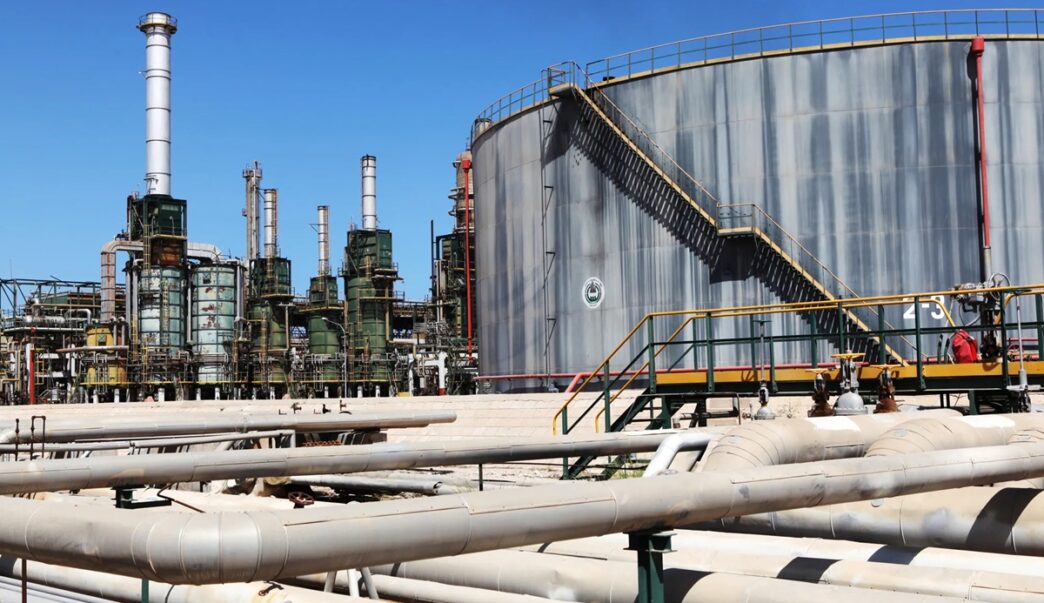
Libyan authorities have launched public legal proceedings following the discovery of irregularities in the management of funds allocated to fuel imports, with investigators discovering contractual practices deemed harmful to the public interest.
The Office of the Attorney General said it had received preliminary findings from an ongoing investigation into disruptions linked to the importation of fuel and the misuse of public resources meant to support Libya’s energy supply. The office confirmed that judicial action has been initiated against individuals connected to the alleged mismanagement.
According to the prosecutor’s office, the probe exposed the use of improper contractual arrangements, including crude oil barter deals and cash-based supply contracts. These methods were found to have breached financial control regulations and undermined the public interest.
Investigators also identified cases where fuel was imported from companies that do not produce petroleum products, with excessive premiums paid for supplies that failed to meet Libya’s technical specifications.
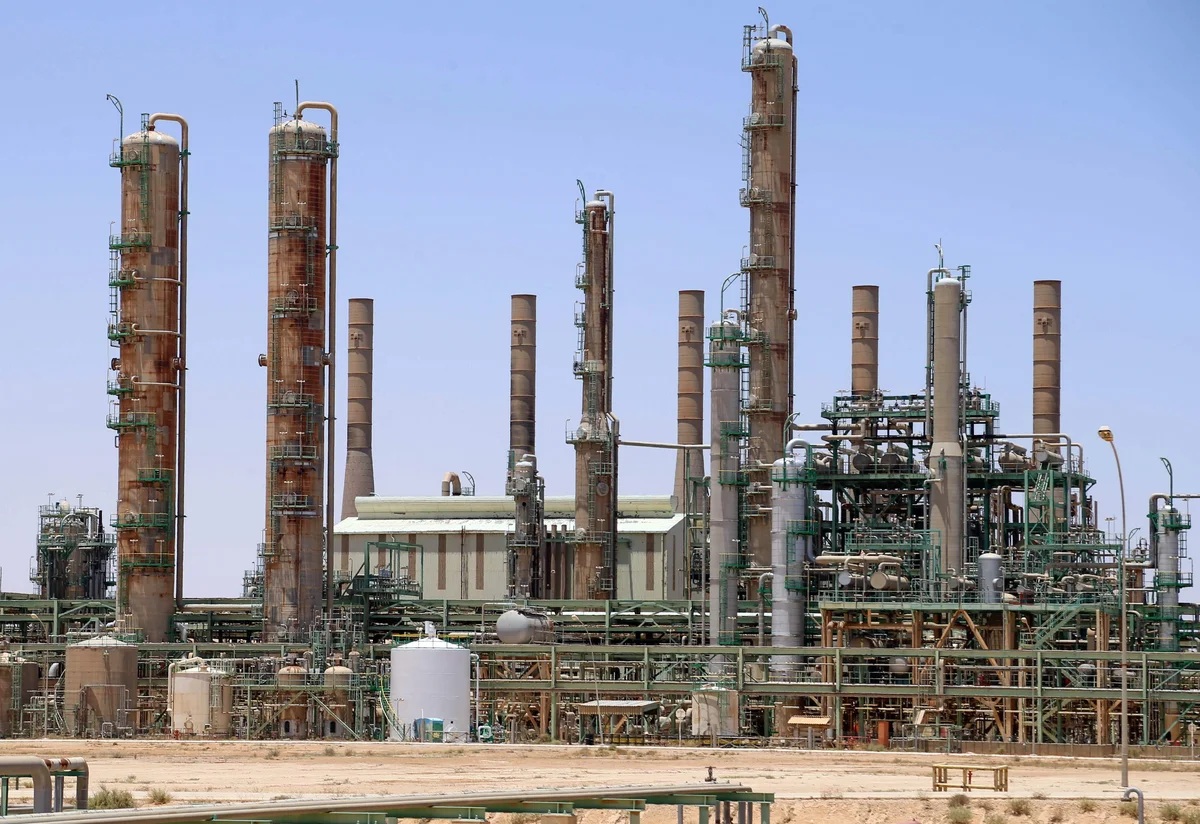
In response to the findings, the Attorney General, Al-Siddiq al-Sour has directed the National Oil Corporation (NOC) to implement corrective measures to improve transparency and accountability. These included the mandatory use of public tenders and the introduction of fixed-term fuel supply contracts for 2026.
The prosecutor’s office said the NOC had complied with the directives and had already begun implementing the recommendations.
Results from the first round of tenders showed a sharp drop in import premiums, with costs reportedly falling from about $80 per metric tonne to $1 for diesel and below $1 for gasoline.
The Attorney General’s office said the reduction is expected to significantly lower import expenses and save the state billions of dinars.
As part of the legal process, investigators have questioned the chairman of the NOC’s fuel supply contracts committee.
However, authorities said no convictions have been recorded at this stage, as judicial proceedings are still ongoing.
The case shows increased scrutiny by Libyan authorities over the management of energy resources and public finances, with fuel imports considered a critical and sensitive component of the country’s economic stability.