Trending
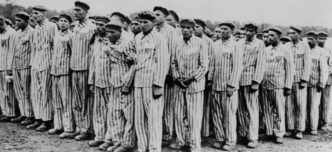
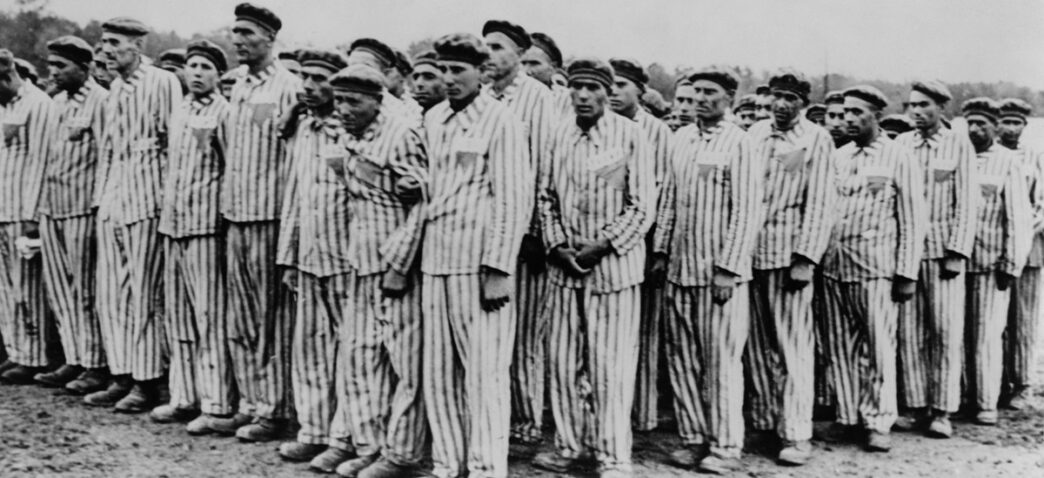
The Holocaust remains one of history’s most profound atrocities. Between 1933 and 1945, the Nazi regime orchestrated a systematic campaign of persecution and murder that destroyed entire communities and took millions of lives.
Jews were the primary targets, but Nazi ideology extended far beyond them. It judged human worth by race, ability, belief, and obedience, marking anyone outside its vision of a “pure” society for exclusion or death.
1. Jews
Why they were targeted: Antisemitism was central to Nazi ideology
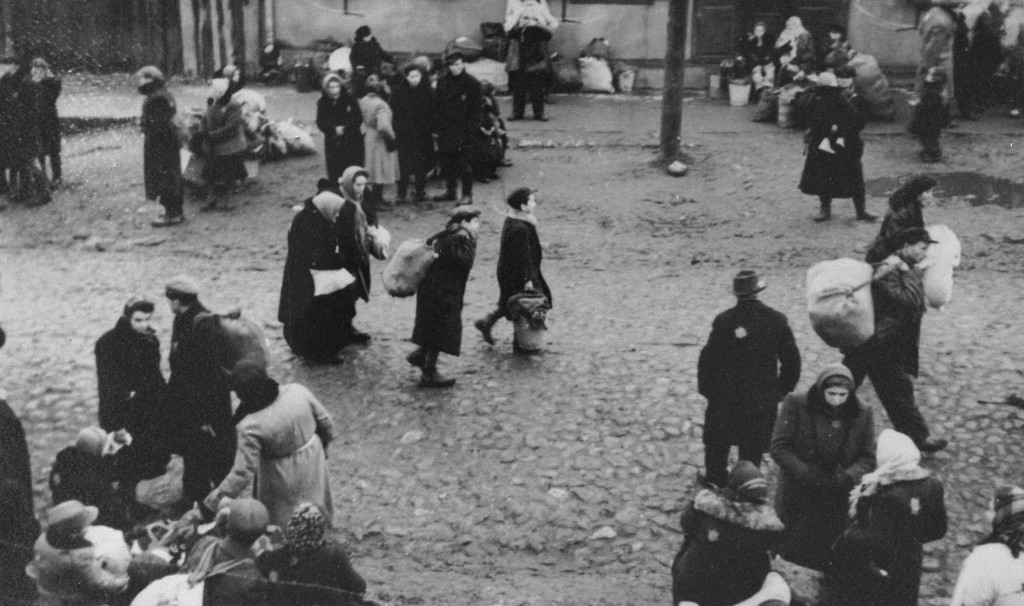
From the moment they took power in 1933, the Nazis used propaganda, discriminatory laws, and violence to strip Jews of their rights. The campaign intensified during World War II.
After invading Poland in 1939, millions of Jews were subjected to forced labour, mass killings, and confinement in ghettos where starvation and disease were deliberately inflicted. In 1941, this violence escalated into systematic, industrialised murder under “The Final Solution to the Jewish Problem,” through mass shootings and death camps.
By 1945, six million Jewish men, women, and children had been murdered in what became known as the Holocaust.
2. Roma and Sinti Communities
Why they were targeted: Racial ideology
Roma and Sinti people were labelled racially inferior and were therefore targeted for destruction. Historians estimate that up to 500,000 people were murdered, while many others were imprisoned, forced into labour, sterilised, or subjected to medical experiments.
Persecution began before the war and intensified during it. Roma and Sinti families were deported to ghettos and concentration camps, including Auschwitz-Birkenau, which contained a segregated “Gypsy Camp.” In August 1944, the camp was destroyed, and thousands were killed in gas chambers.
Like Jews, Roma and Sinti were targeted on racial grounds and stripped of their rights. Despite this, their genocide was not formally recognised in West Germany until 1981.
3. Disabled People
Why they were targeted: Eugenics and social “usefulness”
Disabled people were among the first victims of Nazi killing policies. Long before the death camps, the regime labelled people with physical and mental disabilities as burdens on society. In 1933, laws were introduced to forcibly sterilise those deemed “unfit,” affecting hundreds of thousands.
People with conditions such as epilepsy, schizophrenia, and alcoholism were targeted, along with residents of prisons, hospitals, care homes, and special schools. Between 1933 and 1939, an estimated 360,000 people were forcibly sterilised.
In 1939, the policy escalated to murder. Disabled children and adults were killed under the so-called “euthanasia” programme, often without their families’ knowledge. Parents were told their children had died of natural causes. Gas chambers disguised as showers were later used in dedicated killing centres.
By the end of the Nazi regime, around 250,000 disabled people had been killed. The methods used against them became the blueprint for mass murder in Nazi camps.
4. Political Opponents
Why they were targeted: Threat to Nazi power
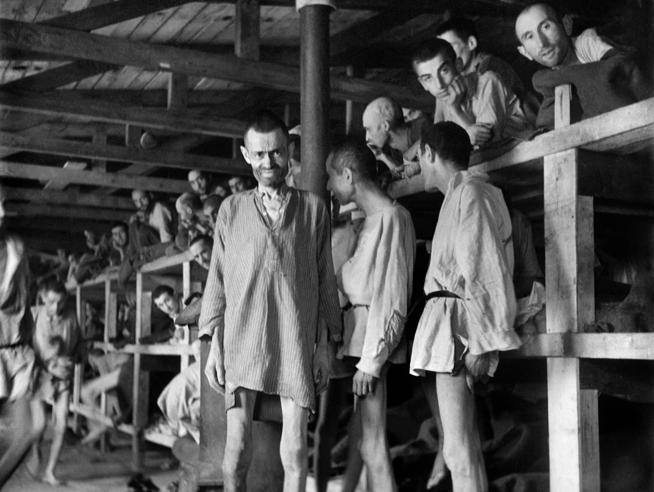
Before the Nazis turned their camps toward mass racial persecution, they used them to crush political opposition. Communists, social democrats, trade unionists, journalists, and activists were arrested as soon as Hitler came to power in 1933.
Dachau, opened that March, was designed specifically to imprison political enemies. Within months, opposition parties were banned, unions dismantled, and their leaders jailed or driven into exile. By the end of 1933, tens of thousands were imprisoned in concentration camps.
5. Slavic Civilians
Why they were targeted: Racial hierarchy and territorial expansion
The Nazis believed Slavic people, including Poles, Ukrainians, and Russians, were inferior. They saw them as people to control, exploit, or remove to expand German territory.
Millions of Slavic civilians were killed during the war. Many were executed or worked to death. Others died from hunger, disease, or punishment carried out against whole communities.
In Poland, teachers, priests, and other leaders were deliberately targeted, while millions were sent to Germany as forced labourers. In the occupied Soviet Union, prisoners of war and civilians were shot or left to die in camps without food or shelter.
6. Jehovah’s Witnesses
Why they were targeted: Refusal to submit to the state
7. LGBTQ Victims
Why they were targeted: Enforcement of Nazi gender and moral norms
Why they were targeted: Conspiracy theories and antisemitism
Freemasonry brought together men from diverse backgrounds around the ideals of equality, moral responsibility, and international cooperation. For the Nazis, this independence from state control was unacceptable.
Nazi propaganda portrayed Freemasons as members of a secret, anti-German conspiracy, often tying them to antisemitic fantasies about “world Jewry”. In 1934, the regime banned Freemasonry, shut down lodges, and seized their records.
Thousands of Freemasons were interrogated, dismissed from their jobs, or imprisoned. Many were sent to concentration camps as political prisoners, punished not for any crime but for belonging to an organisation the Nazi state could not control.
9. Black people
Why they were targeted: Racial ideology
Black people in Germany were persecuted because the Nazis viewed them as a threat to racial “purity.” They were pushed out of jobs, education, and public life and targeted by racist propaganda.
Mixed-race children were singled out for forced sterilisation, especially in the Rhineland, where the regime sought to prevent future generations. These procedures were carried out without consent and caused lasting trauma.
Black soldiers captured during the war were treated with extreme brutality. Many were worked to death or executed, often receiving far harsher treatment than white prisoners of war.
In the movie Hitler’s Forgotten Victims, Hans Hauck, a Black survivor of Nazi racial policies and a victim of the sterilisation programme, revealed that he was not given anaesthesia when he was made to undergo sterilisation as a teenager.
As long as he promised not to have sex with Germans, he was “free to go” after receiving his sterilisation certificate.
10. Those Labeled “Asocial”
Why they were targeted: Nonconformity
The Nazis often used the labels “asocial” and “workshy” for people who did not fit their ideas of how citizens should live. This included beggars, homeless people, alcoholics, drug users, prostitutes, and pacifists.
Those given this label were seen as undesirable and a threat to social order. Many were arrested and sent to concentration camps, where they were forced to wear black triangles on their uniforms.
Roma and Sinti people were often wrongly classified as “asocial”, which added to their persecution.