Trending
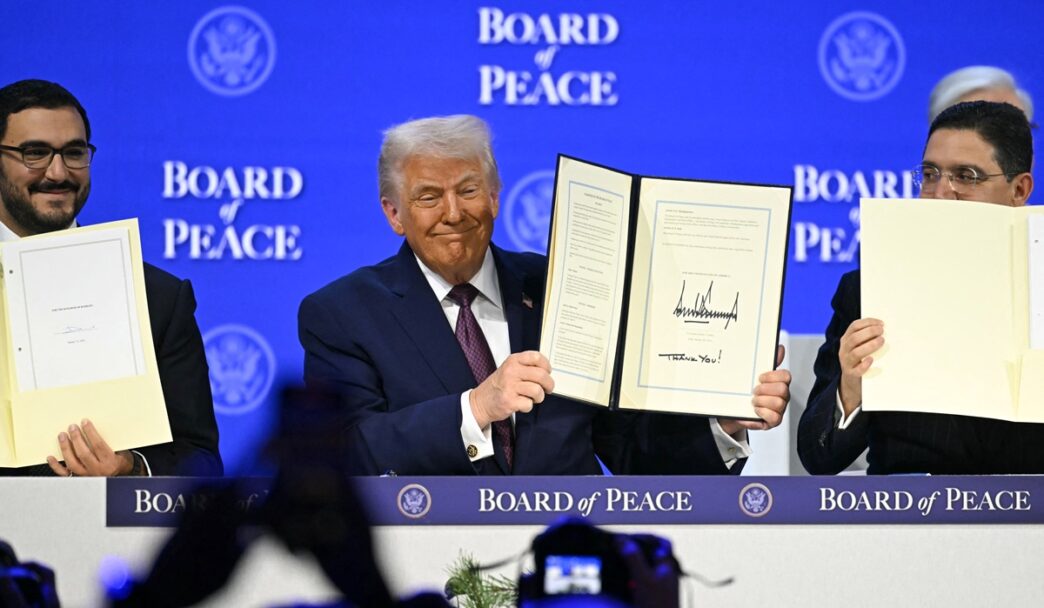
US President Donald Trump on Thursday formally launched his new “Board of Peace” in Davos, establishing a conflict-resolution body that carries a $1 billion fee for permanent membership.
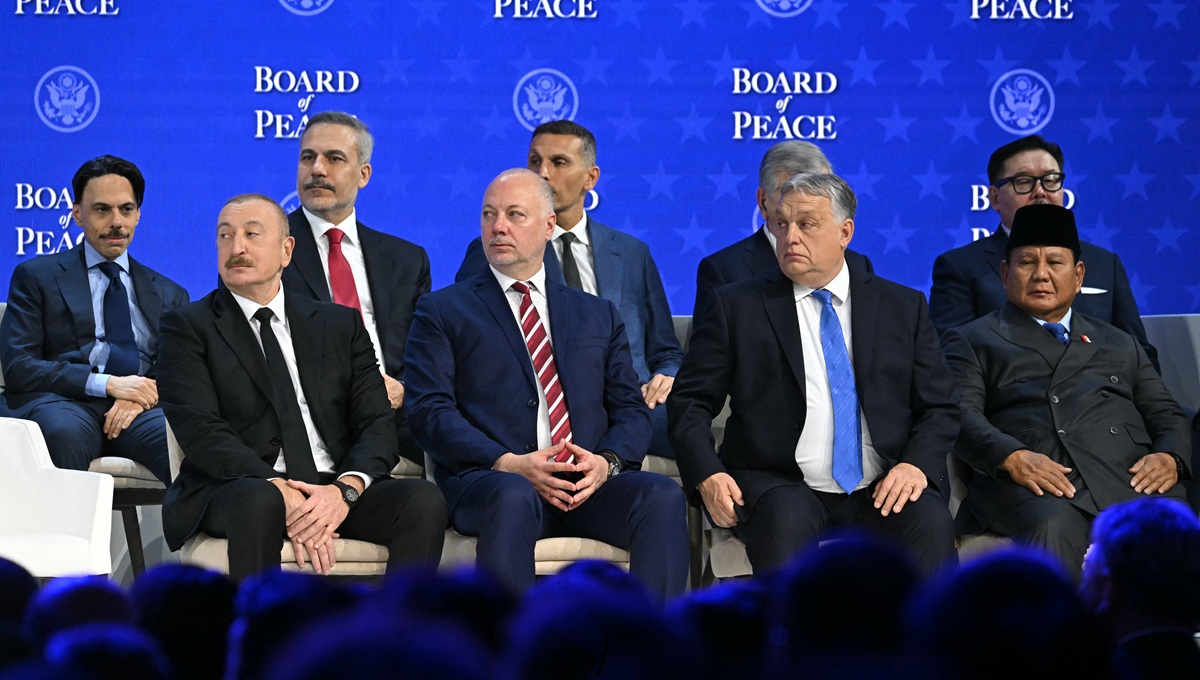
The launch featured a signing ceremony attended by leaders and senior officials from 19 countries, many of them close political allies of Trump, including the presidents of Argentina and Hungary.
Trump, who will chair the board, described the participants as a mix of widely popular figures and others facing domestic criticism, suggesting that such differences were a normal part of political life.
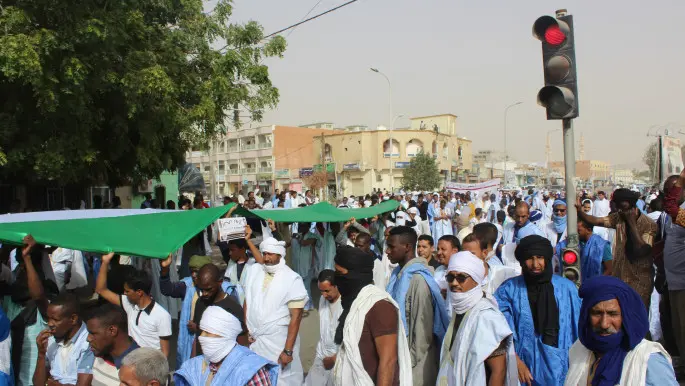
Read More : Mauritania Students Protest Transport Fare Hike
Initially conceived as a mechanism to oversee post-war arrangements in Gaza following the conflict between Israel and Hamas, the board’s founding charter outlines a broader mandate to intervene in global disputes.
This has raised concerns among diplomats that the initiative could evolve into a rival to the United Nations, although Trump has insisted the body would operate alongside existing international institutions rather than replace them.
The project has drawn particular criticism over its proposed membership. Trump has invited Russian President Vladimir Putin, whose invasion of Ukraine began nearly four years ago, saying Moscow had signalled willingness to join. Russian officials, however, have indicated the invitation is still under review.
Critics have also questioned the board’s $1 billion membership requirement, warning it could function as a “pay-to-play” alternative to the UN Security Council.
Several key US allies remain sceptical. Britain confirmed it would not attend the Davos ceremony, while France has also voiced reservations about the initiative.
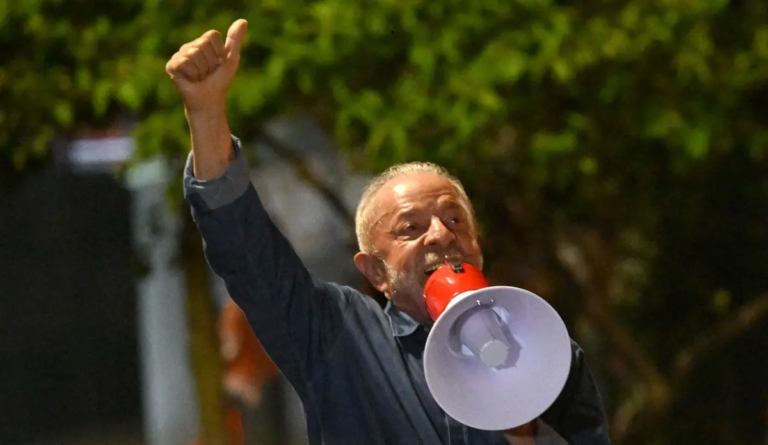
Read More : Brazil’s Lula Turns 81, Vows 24-Hour Workday
Those who signed the charter included representatives from Bahrain, Morocco, Armenia, Azerbaijan, Bulgaria, Indonesia, Jordan, Kazakhstan, Kosovo, Pakistan, Paraguay, Qatar, Saudi Arabia, Turkey, the United Arab Emirates, Uzbekistan, and Mongolia.
Meanwhile, Trump is expected to meet Ukrainian President Volodymyr Zelensky on the sidelines of the Davos forum to discuss a possible ceasefire, a deal that has so far remained elusive.
Trump’s special envoy, Steve Witkoff, said talks with Moscow had made significant progress and were now focused on resolving a single outstanding issue, which he described as solvable.