Trending


Millions of Iranians continue to struggle as a nationwide internet blackout, imposed more than two weeks ago, disrupts daily life and livelihoods.
The restrictions, put in place on January 8, following mass anti-government protests, have cut the country off from the global internet while allowing only limited access to domestic websites and services.
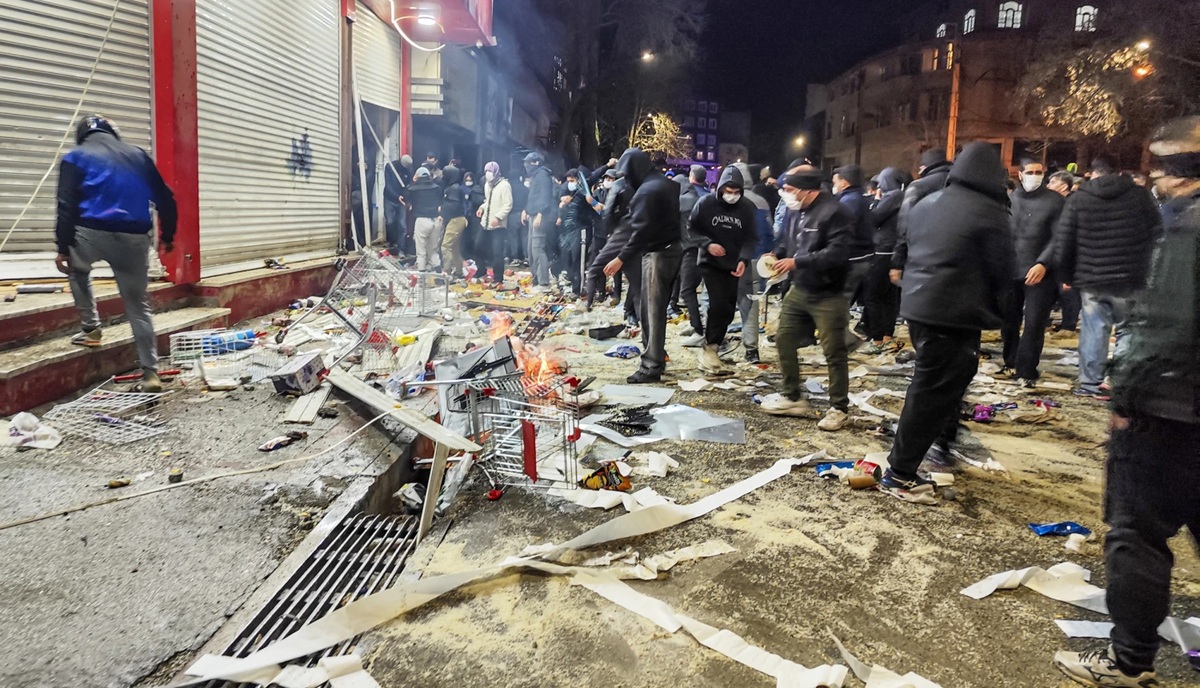
The blackout has affected multiple sectors of Iran’s economy, from travel to exports. A travel agent told AFP that booking international flights had become “unstable,” with some cancellations only communicated upon arrival at airports.
Read More : 7.7 Quake Hits Panama, Triggers Tsunami Warning
Officially, the unrest that sparked the shutdown has left 3,117 dead, though international Non-Governmental Organisations cite higher figures.
Iranian authorities have justified the internet restrictions as a measure against foreign “terrorist operations,” but rights groups argue the blackout is intended to obscure the crackdown on protesters.
The economic cost of the shutdown has been substantial. Deputy Telecommunications Minister Ehsan Chitsaz estimated the shutdown has cost between 4 and 6 trillion rials ($3-4 million) per day, while the monitoring group NetBlocks put daily losses at over $37 million.