Trending
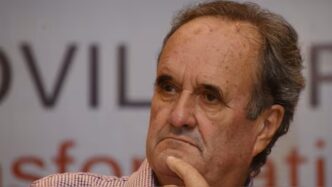
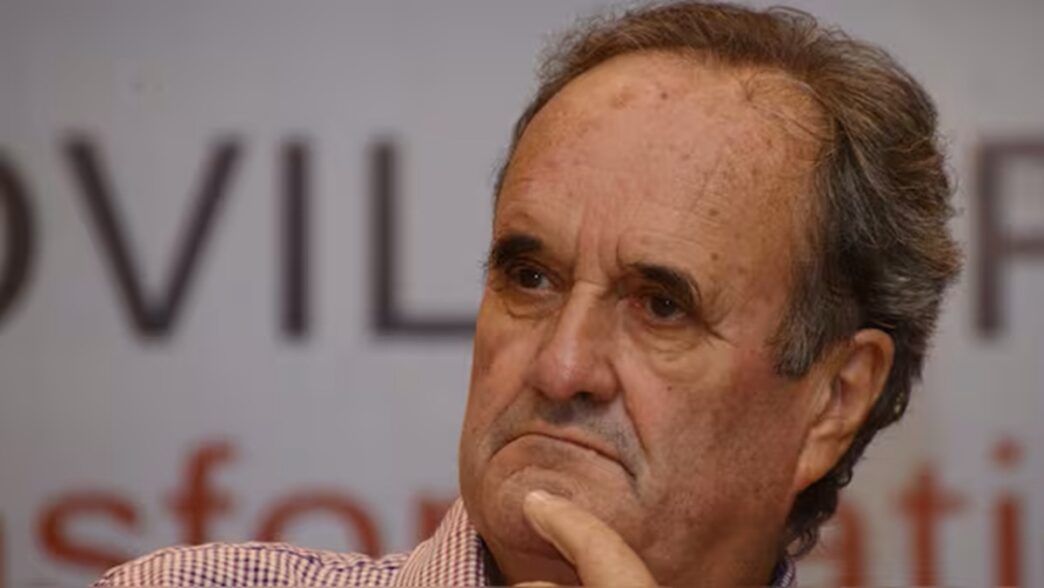
Veteran BBC journalist Mark Tully, widely regarded as the broadcaster’s long-standing “voice of India,” has died at the age of 90, the BBC confirmed on Sunday.
In a statement, BBC News interim chief Jonathan Munro said Tully’s reporting helped introduce India to global audiences, capturing the country’s diversity, energy and complexity for listeners in Britain and beyond.
“Sir Mark opened India to the world through his reporting, bringing the vibrancy and diversity of the country to audiences in the UK and around the world.”
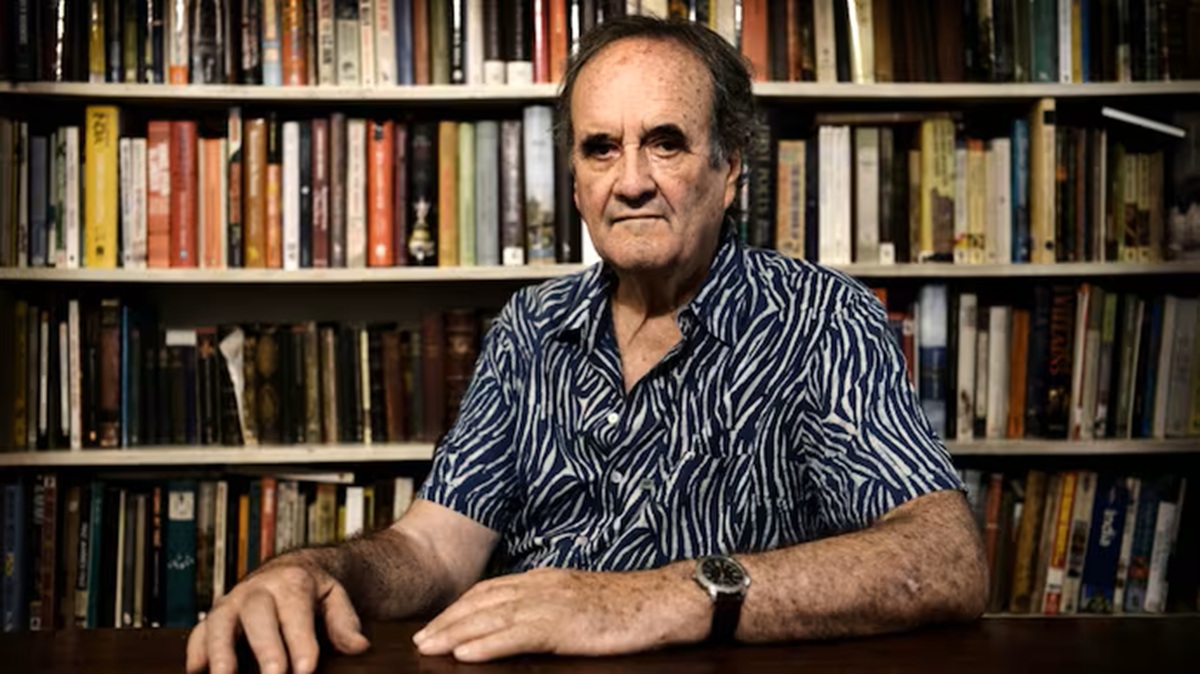
Tully died in New Delhi. During his career, he reported on several pivotal moments in South Asian history, including the 1971 Bangladesh liberation war and the demolition of the Babri mosque in Uttar Pradesh in 1992.
India’s petroleum minister, Hardeep Singh Puri, said Tully’s steady and familiar voice shaped how generations across the region consumed news, describing his death as a profound loss. He noted that the Kolkata-born journalist chronicled some of the most defining events in the subcontinent’s modern history.
“For generations across our subcontinent, his calm and unmistakable voice was synonymous with news.
“Kolkata-born Tully reported on some of the most defining moments in the region’s history,” he added.
The Times of India described Tully as a dedicated chronicler of the country and a highly respected author.
Before entering journalism, Tully studied theology at Cambridge University and briefly trained for the priesthood. He later returned to India in 1965 and joined the BBC’s New Delhi office as an administrator. After a short posting in London with the BBC’s Hindi and World Service divisions, he was appointed the corporation’s New Delhi correspondent in 1971.
He was later promoted to bureau chief, a role in which he oversaw BBC coverage across South Asia, including India, Pakistan, Bangladesh and Sri Lanka, for nearly 20 years.
Tully left the BBC in 1994 after publicly criticising reforms introduced under then director-general John Birt, arguing they undermined the broadcaster’s journalistic values.
He received two of India’s highest civilian honours, the Padma Shri and the Padma Bhushan, awards rarely given to non-Indians.
Britain also awarded him in 2002 for his contributions to journalism, an honour he later said he accepted as recognition of his work on India.