Trending
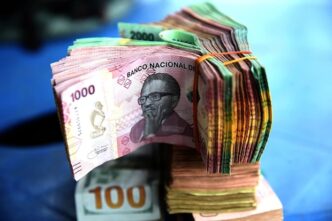
Angola plans to carry out a debt-for-health swap this year as part of a wider borrowing strategy to reduce financing costs and ease pressure on public finances, the finance ministry said on Tuesday.
The proposed debt-for-health swap would allow Angola to replace expensive debt with cheaper financing, provided the savings are channelled into the health sector.
Such debt-swap agreements, often linked to social or environmental goals, have been used in recent years by countries including Belize, Ecuador, and the Ivory Coast.
Read More : Angola Cuts Interest Rate to 14.75 Percent
The plan comes as Angola seeks to curb its debt burden after years of heavy borrowing, including oil-backed loans from China, which have left the country spending more than 40% of its budget on debt servicing this year.
Presenting the government’s annual borrowing plan to the media, finance ministry officials said the main goal of the debt strategy was “minimising financing costs over the long term.”

Under the plan, the government aims to secure about $1.4 billion in commercial financing, which includes the proposed debt-for-health swap, though details were not disclosed.
Angola is also expecting to receive $500 million in budget support through a Development Policy Operation from the World Bank, according to the borrowing plan.
In addition, the government plans to raise $1.7 billion from international capital markets, with some external borrowing also coming from bilateral lenders and export credit agencies.
The finance ministry said Angola’s total debt is expected to fall to 45% of gross domestic product (GDP) by the end of the year, down from 47% in 2025.
Read More : TotalEnergies Flags New Oil Discovery in Angola
The drop follows an update by the national statistics office to the base year used to calculate economic output, a standard practice that can affect debt-to-GDP ratios.
The International Monetary Fund said in December 2025 that Angola’s economic growth is likely to remain modest at around 2% this year, with stronger growth in the medium term depending on progress in diversifying the economy away from oil.
The government has been working to strengthen public finances by cutting subsidies and opening up the largely state-controlled economy to more private investment.