Trending


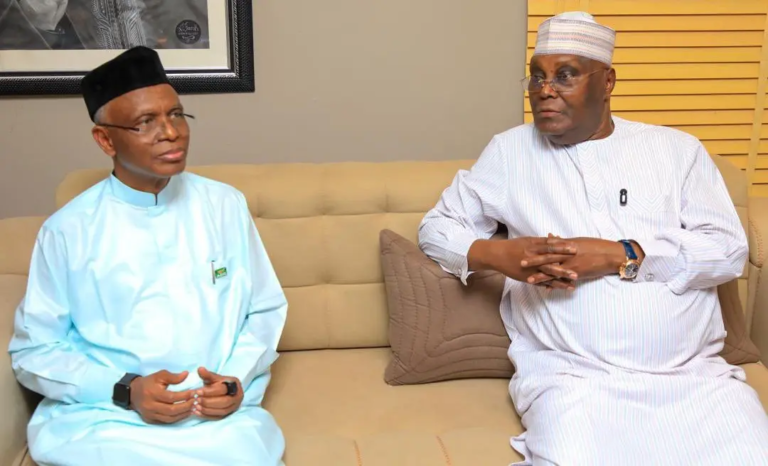
The Nigerian government has strongly pushed back against former Vice President Atiku Abubakar for saying that Nigeria under President Bola Ahmed Tinubu is “worse than military rule.”
In a statement on Wednesday, Sunday Dare, Special Adviser on Media and Public Communication, said the comment distorts Nigeria’s history and ignores the repression, detentions, and loss of freedoms that defined military regimes. He argued that such comparisons diminish the sacrifices Nigerians have made to secure democratic rule.
“For a man who once occupied the office of Vice President under a constitutional democracy, Atiku Abubakar’s persistent inability—or refusal—to distinguish between democratic governance and military dictatorship is no longer ironic; it is alarming”, the statement read.
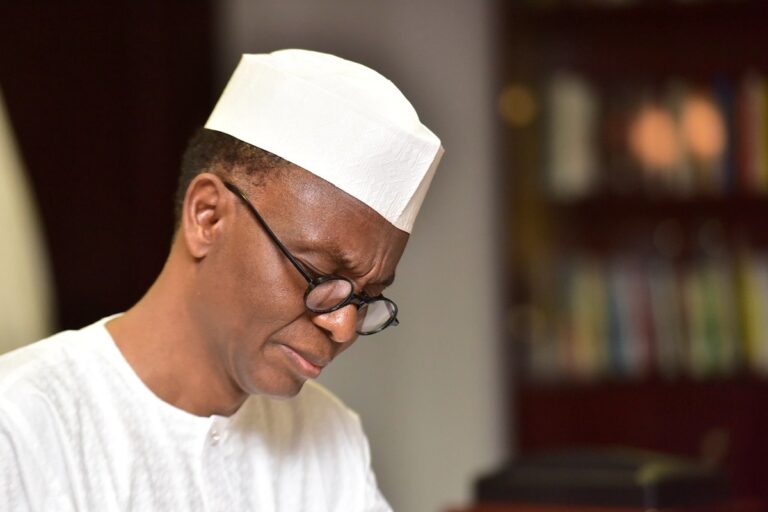
Read More : Atiku Appoints El-Rufai to Campaign Council
Dare noted that Atiku continues to speak freely, hold political meetings, grant interviews, and criticise the government without fear, rights unavailable under dictatorship. He described this as a contradiction that weakens the former Vice President’s claim.

“At this stage, Atiku Abubakar is less an elder statesman than a cautionary tale. Having exhausted ideas and credibility, he has descended into inflammatory exaggeration, hoping chaos might succeed where voters have repeatedly said no,” Dare said.
The presidential aide warned that equating current governance challenges with military repression risks eroding public understanding of Nigeria’s democratic journey since June 12.