Trending

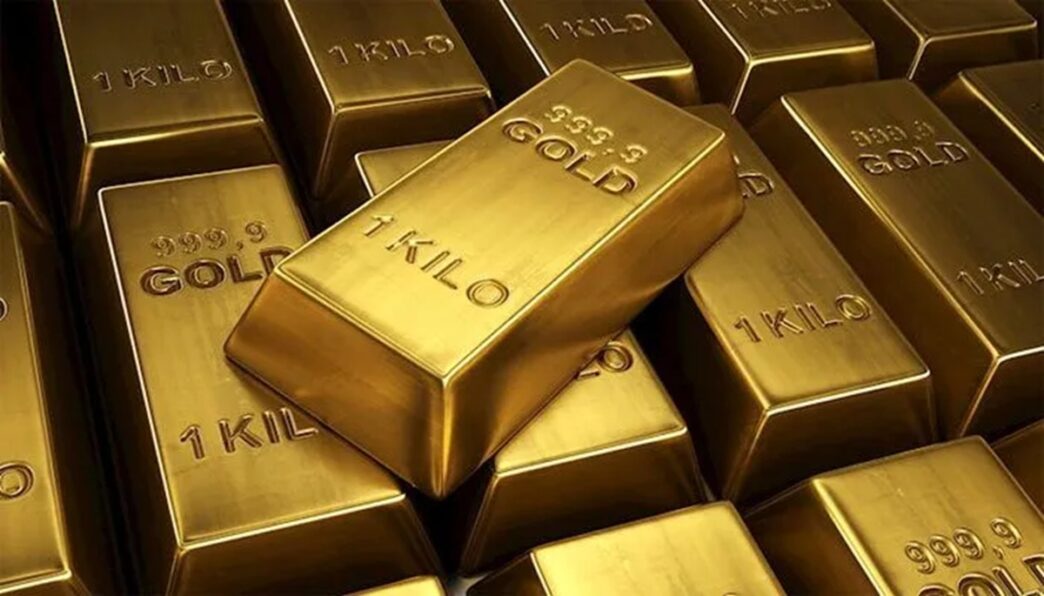
Gold prices surged to a new record close to $5,600 on Thursday as heightened geopolitical tensions between the United States and Iran drove investors into safe-haven assets. At the same time, oil prices also climbed on fears of supply disruptions.
The rally extended across precious metals, with silver also hitting a fresh peak, supported by a weaker US dollar, as growing speculation reportedly suggests that US President Donald Trump is happy to see the world’s reserve currency weaken. Market watchers also said expectations that US interest rates could fall later this year have further fuelled demand for bullion.
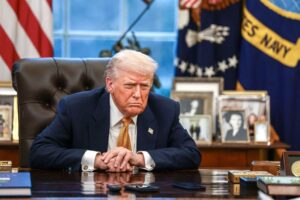
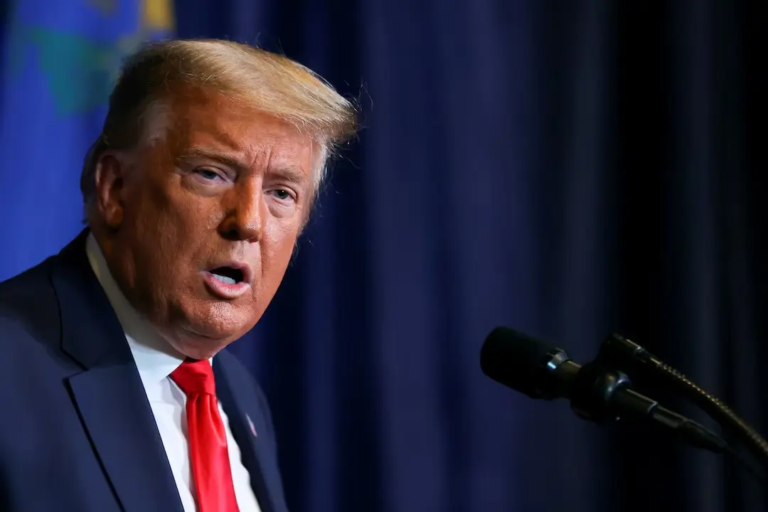
Gold jumped by more than $300 at one point to trade above $5,595 after Trump intensified pressure on Tehran to revive negotiations over its nuclear programme, which Western powers believe could be used to develop nuclear weapons.
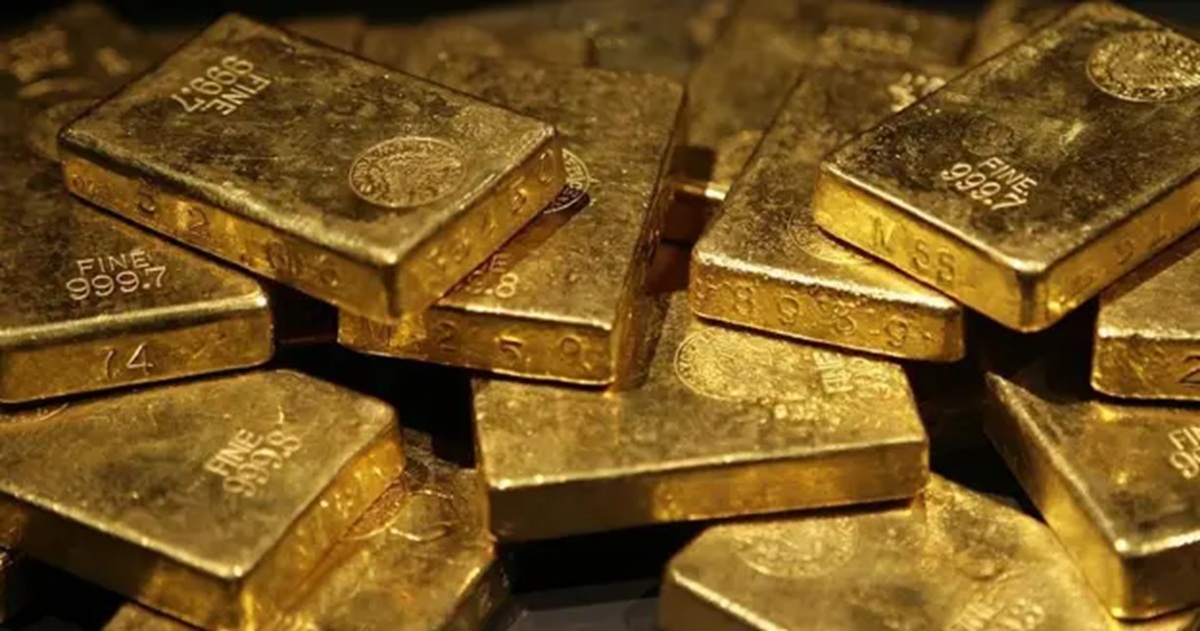
The president warned that time was running out for Iran to reach an agreement, signalling that military action remained an option.
US media reported that Trump was considering strikes on Iranian targets after nuclear talks failed to make progress. A US naval strike group, led by the aircraft carrier USS Abraham Lincoln, has since moved into the Middle East, with the White House saying the deployment was intended to demonstrate readiness for rapid military action if required.
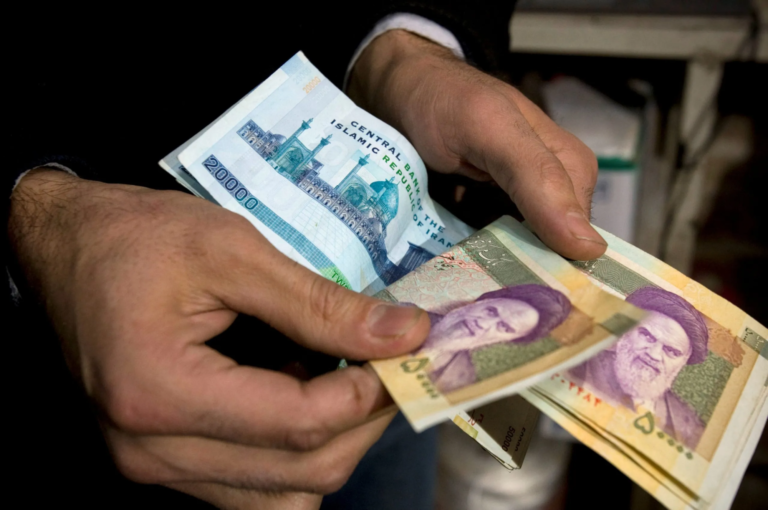
Iran responded sharply, with Foreign Minister Abbas Araghchi warning that any US military operation would trigger an immediate and forceful response, though he indicated Tehran had not ruled out returning to negotiations on a new nuclear deal.
Analysts said the scale of gold’s rally reflected deeper concerns about global stability rather than short-term market fear.
Meanwhile, Oil prices rose more than one percent as tensions in the Middle East raised concerns about potential supply disruptions. US crude climbed to its highest level since September, while Brent crude traded at levels last seen in July.
Equity markets showed a mixed response. Asian markets including Hong Kong, Shanghai, Singapore, Mumbai and Seoul posted gains, while Tokyo ended flat. Markets in Sydney, Wellington, Taipei and Bangkok declined.
European shares opened mostly higher, with London and Frankfurt edging up, though Paris slipped. In Manila, stocks fell after data showed the Philippine economy grew at its slowest pace outside the pandemic since 2011.
Indonesian stocks saw sharp losses for a second day, prompting a temporary trading halt after the main index plunged as much as eight percent. The sell-off followed a call by index provider MSCI for regulators to examine ownership issues in the market. Losses later eased, though shares remained significantly lower.
Market analysts said the pressure on Indonesian equities could persist for another day or two before stabilising.
The US dollar remained under strain despite assurances from Treasury Secretary Scott Bessent that Washington maintained a strong-dollar policy. The currency’s weakness followed comments by Trump that were widely interpreted as welcoming recent declines.
The Federal Reserve’s latest policy meeting ended without surprises, with Chair Jerome Powell signalling that officials would continue to monitor incoming economic data. However, investors are increasingly focused on Trump’s expected nomination of the next Fed chair when Powell’s term ends in May. Analysts at Allspring Global Investments said markets were anticipating a more dovish successor, which could further support gold prices.
In China, Hong Kong-listed property stocks surged after reports suggested Beijing may be easing some restrictions aimed at curbing borrowing in the real estate sector. Shares in heavily indebted developers jumped sharply, offering a rare boost to a sector that has weighed on China’s economic outlook for years.