Trending
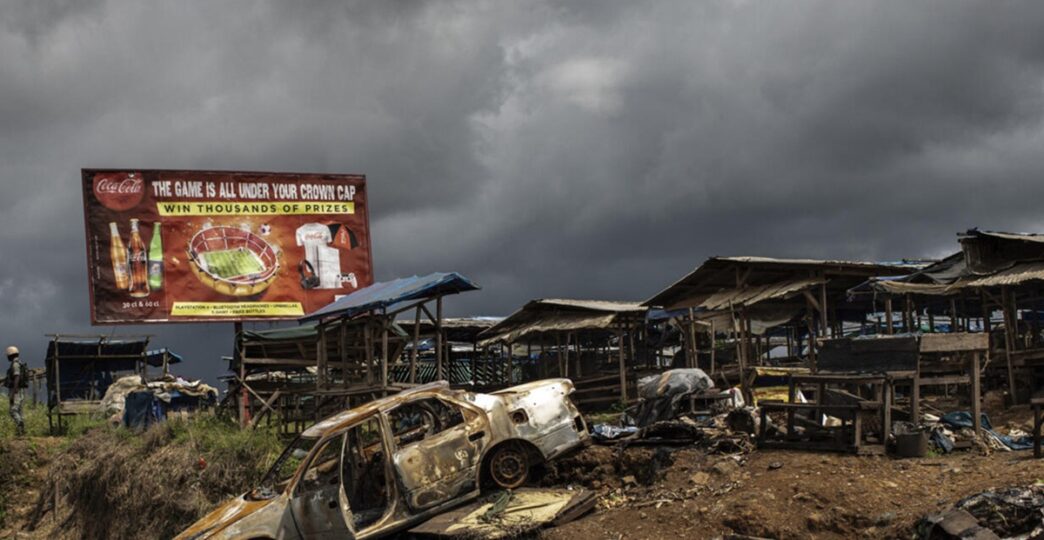
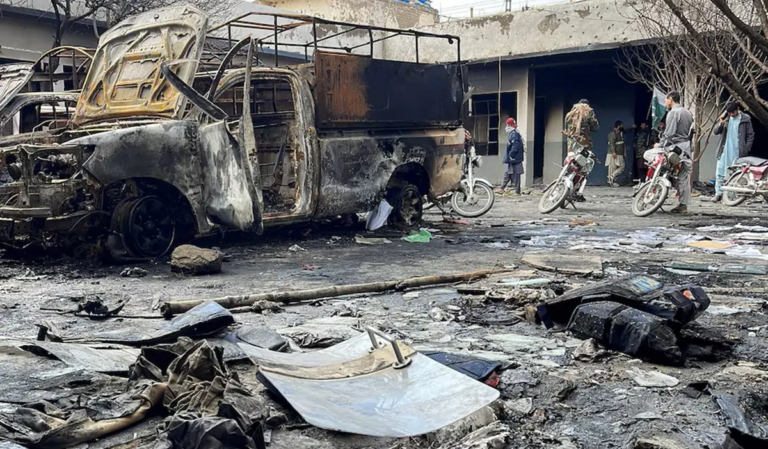
Communities in Cameroon’s North West region are in mourning after a deadly assault believed to have been carried out by separatist fighters left multiple families shattered and an entire village traumatised.
Saidu Afiyatu returned to his home in Gidado, a rural settlement in the North West, on January 14, only to discover that his house had been set ablaze and two of his brothers had been killed. He said he was overwhelmed by the shock of the attack, noting that the violence came from people who had lived alongside the community for decades.
“I never ever suspected a day like this would come, when people with whom we have been living together for decades would do this to us,” Afiyatu stated.
Read More : Tinubu Celebrates Oyedepo At 72
Local authorities said Afiyatu’s experience reflected a broader tragedy in the village.
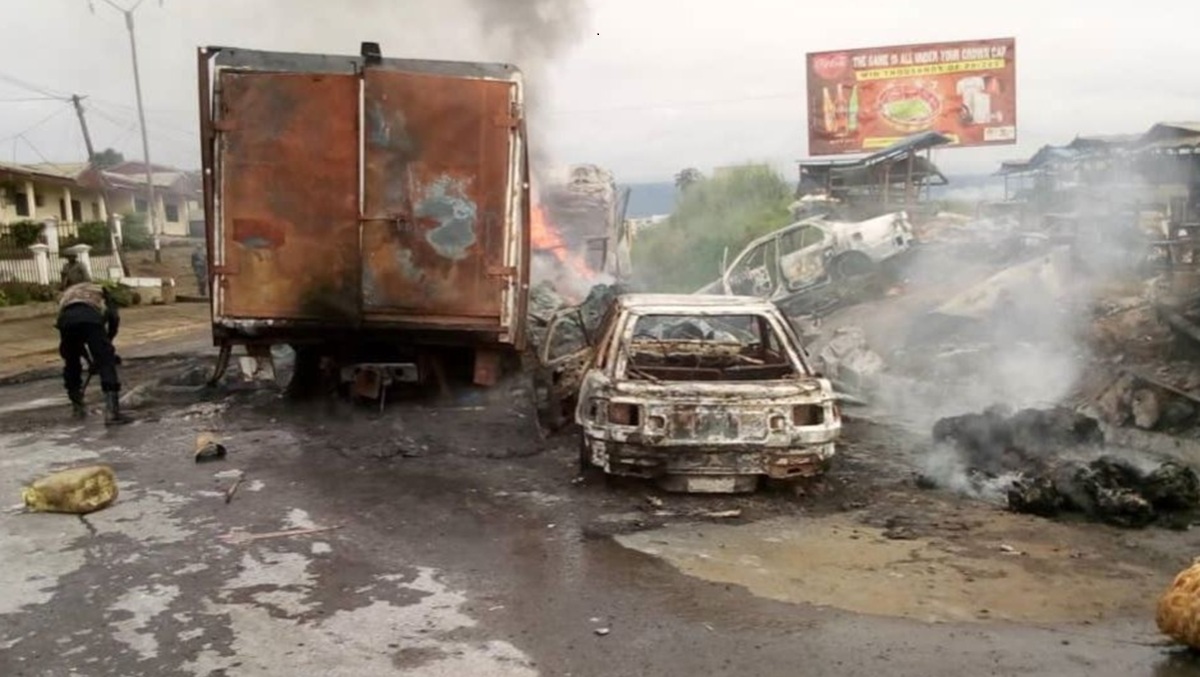
The traditional ruler, Chief Tata Ndzisshoto, reported that armed attackers stormed the community before dawn, killing 14 residents, among them eight children. He said around 20 others sustained injuries and were receiving medical care, while several homes were destroyed.
The remote village, located roughly 150 kilometres from the regional capital Bamenda, was left severely damaged.
North West Governor Adolphe Lele L’Afriqe has condemned the attack, describing it as an act of extreme brutality.
The killings showed the continuing violence linked to Cameroon’s long-running Anglophone crisis.
Since the conflict escalated in 2017, at least 6,500 people have been killed and more than one million displaced, according to estimates by the International Crisis Group.
The unrest began after teachers and lawyers in Cameroon’s English-speaking regions protested against the use of French in schools and courts.
The government’s firm response to the initially peaceful demonstrations led to escalating confrontations, which analysts say created conditions for armed separatist groups to gain support among Anglophone communities seeking an independent state known as Ambazonia.
Attempts to resolve the crisis, including a national dialogue convened by the government in 2019, have so far failed to bring lasting peace to the affected regions.
Community leaders have stated that security alone will not end the violence. Chief Ndzisshoto said peace would only be achieved when residents could go about their daily lives without fear of attacks, abductions or killings.
“All we want is a return to peace. “I do not know how that will be done, but I know that when people can move about their lives without fear of being attacked, kidnapped or even killed, then I would say we have peace.”
Read More : Abia Arrests 86 Over Sanitation Violations
Conflict analyst Kinang Derick Fai of the Yaounde-based organisation Defyhatenow said the crisis stems from long-standing grievances linked to the mismanagement of Cameroon’s cultural and linguistic diversity. He noted that the conflict has become deeply entrenched, making quick fixes ineffective.
Fai added that any sustainable peace process must prioritise accountability, arguing that healing would require a formal system of transitional justice to address serious abuses committed during the conflict, rather than relying solely on reconciliation without consequences.