Trending
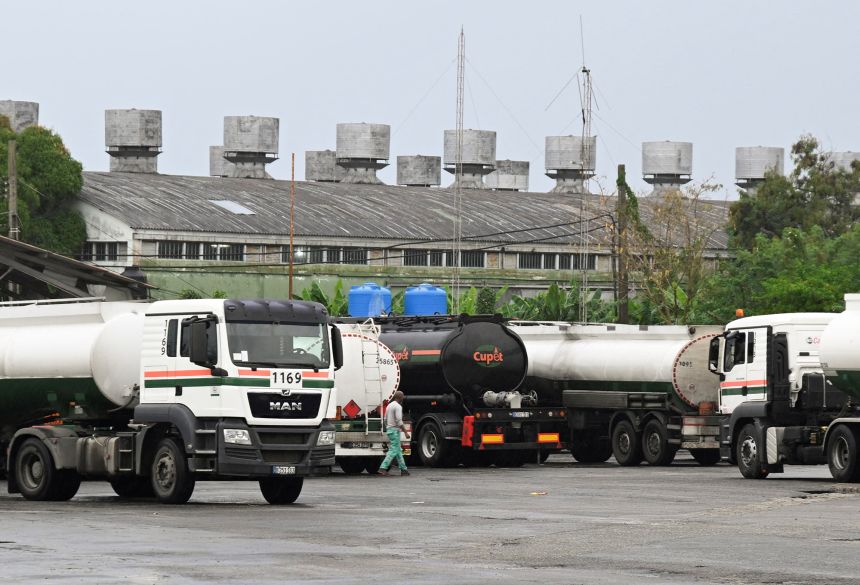
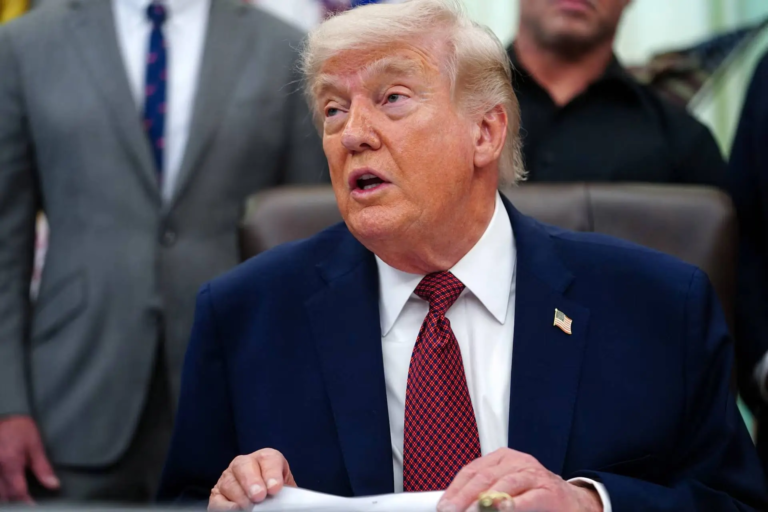
Long lines snaked around city blocks in the Cuban capital on Friday as residents scrambled for fuel following a sweeping executive order from U.S. President Donald Trump.
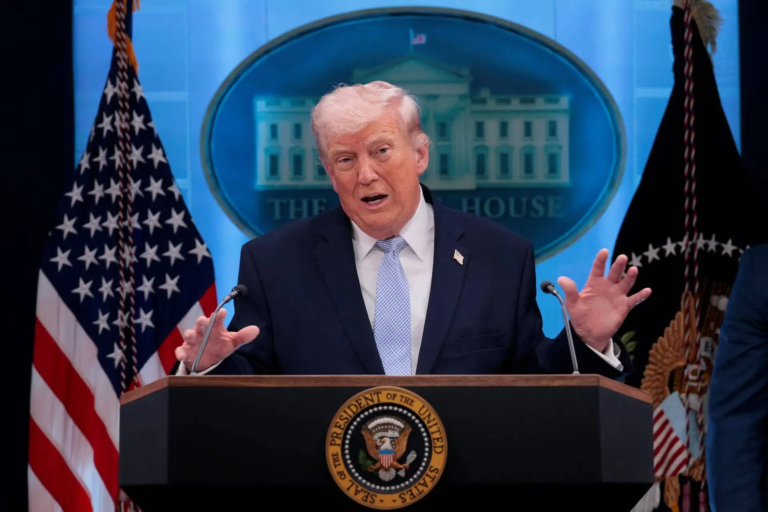
The new decree imposes punitive tariffs on any nation supplying oil to Cuba, effectively creating a virtual blockade aimed at toppling the island’s long-standing Communist government.
The timing is critical for Havana; the island’s energy grid is already failing, with many areas experiencing 20-hour daily blackouts.
Read More : Russian Strikes on Ukraine Kill Eight
While Cuba previously relied on subsidised Venezuelan oil, those supplies vanished earlier this month following the January 3 ousting of Nicolás Maduro.
Official data shows that in 2025, Cuba was only able to generate half of its required electricity.

The White House, led by Trump and Secretary of State Marco Rubio, has labelled Cuba an “extraordinary threat” to national security, citing its ties to Russia, China, and Iran.
Trump took to social media to declare, “NO MORE OIL OR MONEY FOR CUBA: ZERO!” as a massive U.S. naval armada remains positioned in the Caribbean.
The ultimatum places significant pressure on Mexico, a primary oil supplier.
Mexican President Claudia Sheinbaum warned that the sanctions could spark a “humanitarian crisis” affecting hospitals and food supplies.
Read More : Trump Expects US-Iran Talks to Resume This Week
However, she signalled a potential retreat to protect Mexico’s own trade interests, stating that while she stands in solidarity with Cubans, she will not risk U.S. tariffs on Mexican goods.
President Miguel Díaz-Canel has condemned the move as “genocidal” and “fascist,” vowing that the nation is ready to defend itself.
Despite his defiance, ordinary Cubans like 60-year-old Jorge Rodriguez expressed a growing sense of desperation, noting that the sanctions are designed to hit the population directly.