Trending
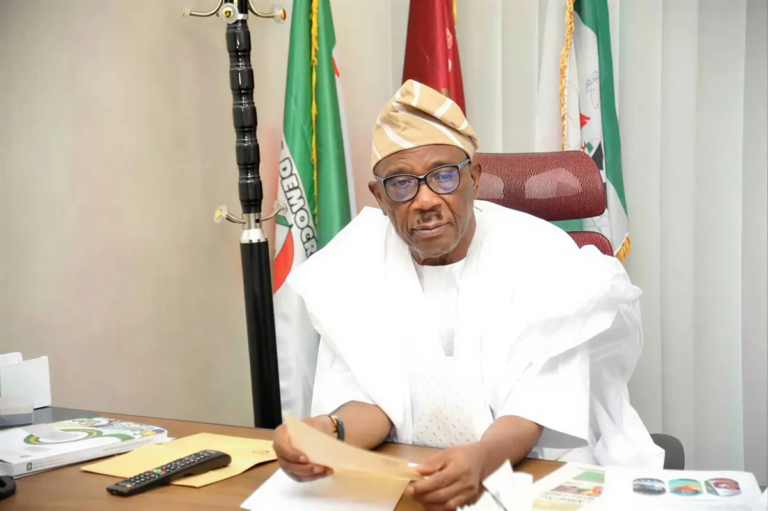
Nigeria’s decades-long struggle to run its state-owned refineries comes from structural, operational and governance failures rather than a lack of funding, according to Bayo Ojulari.
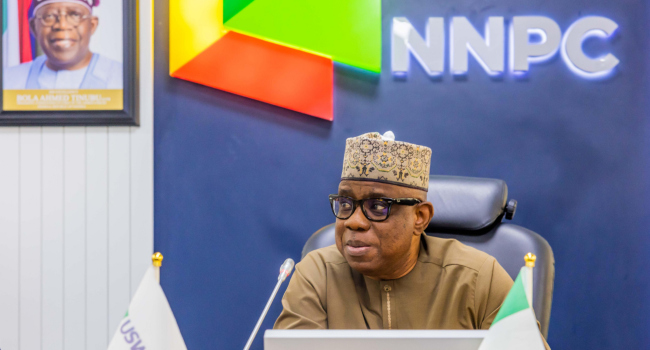
Ojulari, the Group Chief Executive Officer of Nigerian National Petroleum Company Limited (NNPCL), said Nigeria’s refinery model is severely flawed because it places too much emphasis on funding and construction while neglecting long-term operational capacity.
He disclosed this during a fireside chat on Wednesday at the Nigeria International Energy Summit.
“To make a refinery work, you need three things: financing, a competent EPC contractor, and world-class operational capacity,” Ojulari said.
“Historically, we focused on the first two and ignored the third.”
Ojulari explained that while financiers and EPC contractors are compensated and leave, the refinery needs to be run for 20 to 50 years, a duty that NNPC was ill-prepared to manage on its own.
“The system was designed for everyone to take from it, not to put anything into it,” he said.
He said internal reviews showed that despite regular crude supply, refinery utilisation averaged only between 50 and 55 per cent, while operating and contractor costs continued to rise.
Yet the refined products were often worth less than the crude fed into the system.
“At the end of the day, we were leaking value with no clear line of sight on how losses would turn into profits,” Ojulari added.
Despite huge financial commitments, he claims that NNPCL halted operations at the nation’s state-owned refineries after realising that ongoing operations were destroying value and depleting public resources.
According to Ojulari, the company had to make the difficult decision to temporarily close its refineries after an internal review revealed significant losses, low utilisation rates, and no viable path to profitability.
“We were under extreme pressure. Nigerians were angry, a lot of money had been spent and expectations were very high,” he said.
“But the reality was that we were just wasting money.”
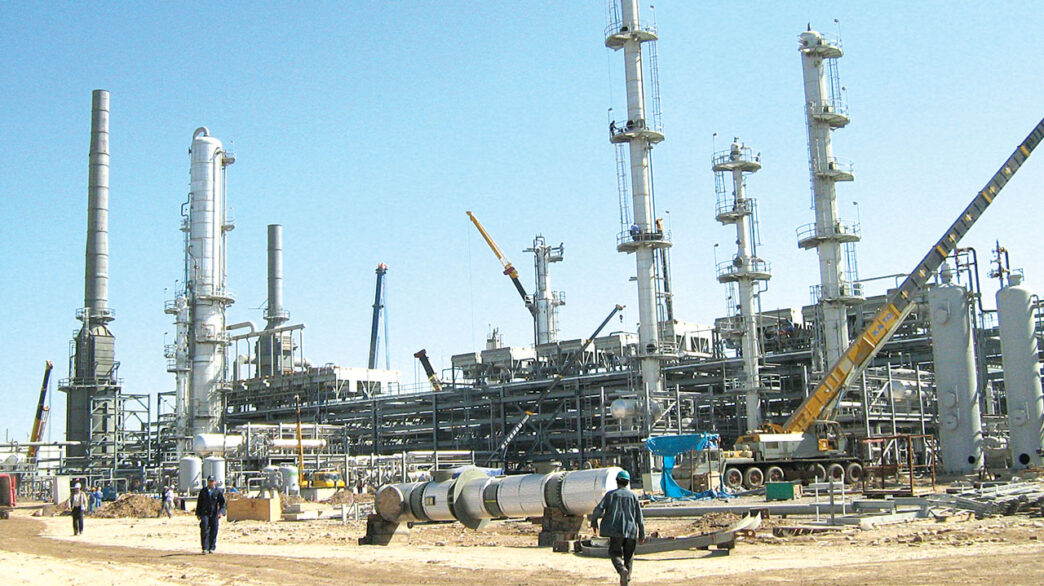
Nigeria has four state-owned refineries with a combined installed capacity of 445,000 barrels per day, yet they have operated far below optimal levels for decades due to corruption, obsolete infrastructure, poor fund management, and pipeline vandalism that has affected crude supply.
In May 2023, an ad-hoc committee of the House of Representatives said that the government spent more than N11 trillion rehabilitating the refineries between 2010 and 2023.
Ojulari said the current management’s first major decision was to halt refinery operations to “stop the rot” and conduct a comprehensive review, despite intense political backlash.
“You cannot sleep when you have been trained for decades to look at profitability and commerciality. It’s not possible,” he said.
He added that the start of operations at the Dangote Refinery provided breathing space, allowing NNPC to reassess its assets and pursue a more sustainable approach.
Under a new board-approved strategy, Ojulari said NNPC plans to bring in experienced global operators as equity partners rather than contractors to ensure they have “skin in the game” and a vested interest in long-term performance.
“We are not selling Nigeria,” he stated. “But we are open to selling some equity — as much as required — to secure sustainability.”
According to him, the goal is to build a structure that enables Nigeria’s refineries to finance themselves and operate as commercially viable businesses over the long term.
“Our solution is to put a sustainable structure in place — one where the refinery can finance itself and run like a proper business,” he said.
“What matters to us is not just that the refinery works,” Ojulari said. “It must work sustainably.”