Trending
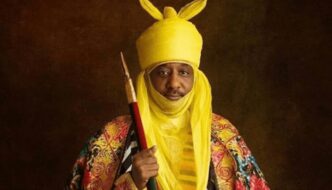
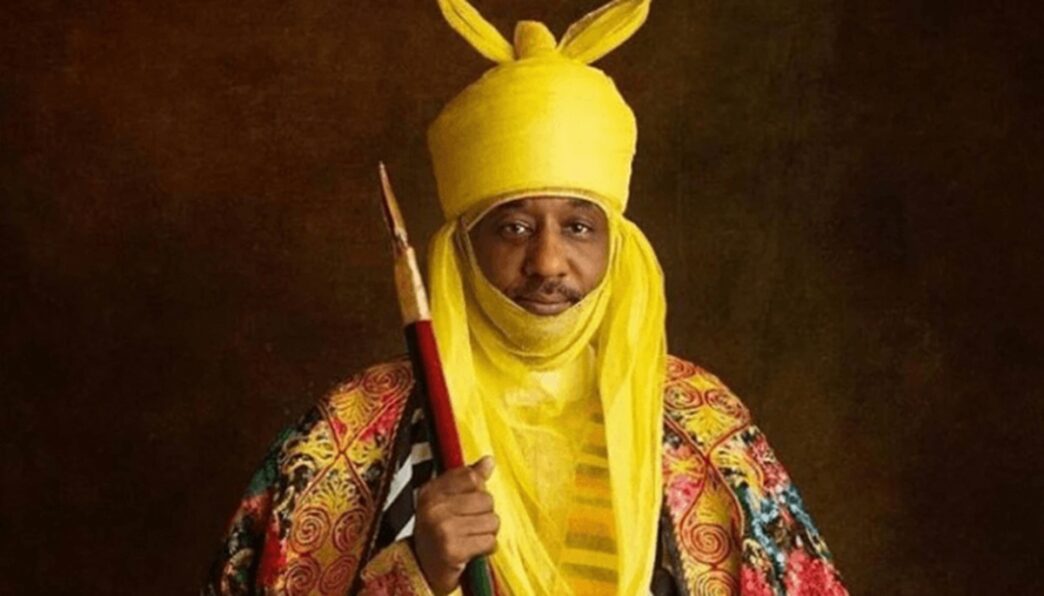
The Emir of Kano, Muhammadu Sanusi II, has condemned domestic violence, insisting that cultural practices cannot be used to justify the abuse of women and other vulnerable groups.
Sanusi made the remarks on Wednesday during an interview on Channels Television, where he called for stronger action against perpetrators of gender-based violence.
He stated that Nigerians’ rights are fundamental and cannot be violated under the guise of tradition or cultural norms.
According to him, no cultural belief permits the physical abuse of women.
The former governor of the Central Bank of Nigeria stressed that women are citizens entitled to full protection under the law, regardless of personal or societal beliefs, noting that such protections reflect the values modern societies must uphold.
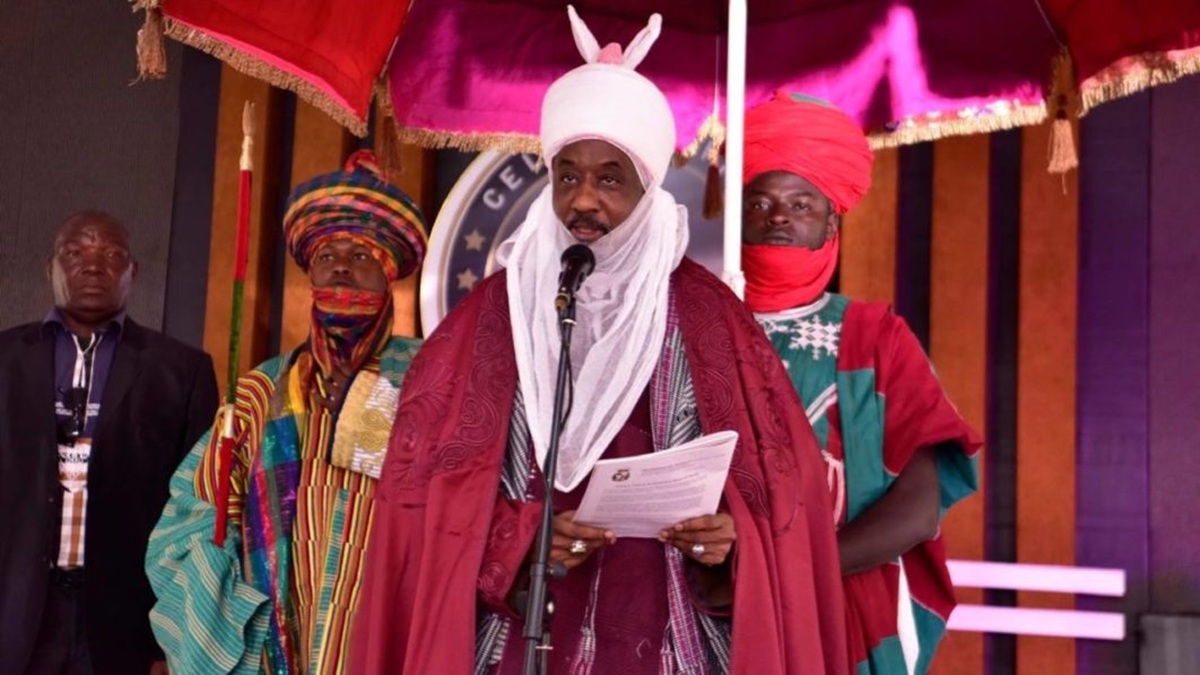
“We need to first of all see that as a country we have citizens and human beings, and they have rights. Those rights are inviolable. You cannot violate them in the name of a culture. You cannot beat a woman because your culture says you can beat her.”
Sanusi noted that unequal power relations between men and women often enable abuse, with the weakest members of society bearing the brunt.
He stated that victims of violence commonly include women, children, the poor and persons living with disabilities, pointing out that hospitals are filled with women suffering long-term injuries resulting from abuse.
He further argued that gender-based violence is a global problem, not one unique to Africa, and said the issue is rooted in power imbalance rather than culture.
“Women who are victims of violence, young children, the poor, and the disabled. If you go to the hospital, you will find crippled women and blind women who are victims, and also the paediatric section is abused.
“It’s not about African culture; it’s about power relations,” he said.
The Emir also used the interview to emphasise the link between poverty, lack of education and harmful social practices, calling on the government to urgently address Nigeria’s growing number of out-of-school children.
He said that every child has a right to basic education and argued that removing children from school should be treated as an offence.
However, he noted that enforcement remains weak because the government has failed to provide adequate schools.
On child marriage, Sanusi said many rural communities lack secondary schools or skills centres, leaving young girls with no structured pathway after completing primary education.
He explained that in such circumstances, parents often marry off their daughters out of fear and economic desperation rather than cultural preference.
“You go to a village in some part of the north, and there is a primary school, and that is it.
“So the girl finishes school at 11; between 11 and eighteen, what arrangement have you made for her? There is no secondary school, skilled centre, or provision for her life.
“The poor man [father] basically finds that she is 12 or 13 and scared she will get pregnant on the road, and the next young man that comes, he marries her off.”
According to him, these practices are largely driven by poverty and the absence of educational infrastructure.
He urged authorities to focus on building and staffing schools before attributing the problem solely to culture.
Sanusi further stressed that addressing education gaps would significantly reduce harmful practices, adding that blaming culture alone ignores the deeper structural issues that sustain abuse and child marriage.