Trending
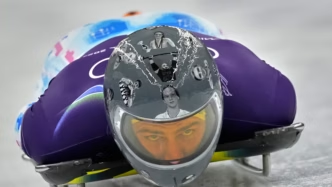
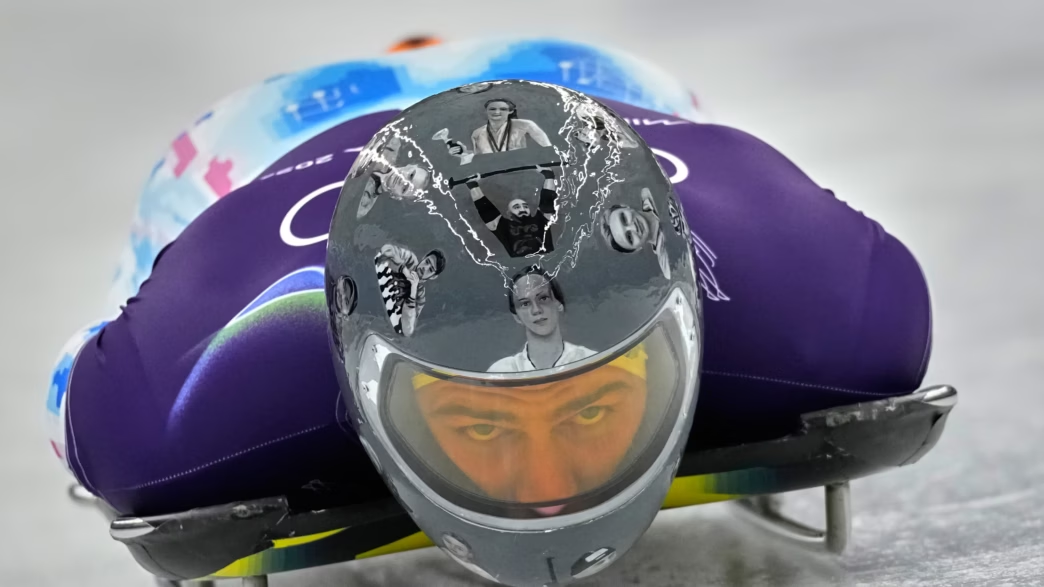
The International Olympic Committee (IOC) has reached a compromise with Ukrainian skeleton racer Vladyslav Heraskevych, permitting him to wear a black armband during the Milan-Cortina Games.
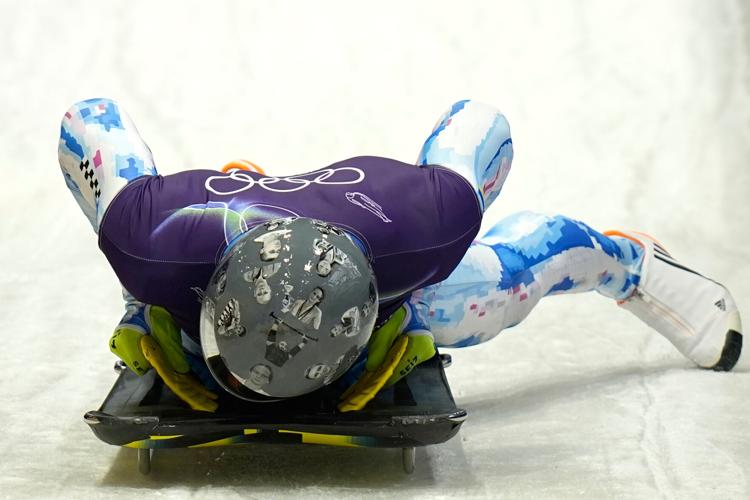
This decision follows a ban on his specialised racing helmet, which featured a memorial collage of Ukrainian sportspeople killed since the 2022 Russian invasion.
While the IOC spokesperson Mark Adams expressed “compassion and understanding” for the athlete’s grief, the committee maintained that the helmet’s imagery contravened Rule 50 of the Olympic Charter, which strictly prohibits political, religious, or racial demonstrations in any Olympic sites or venues.
Read More : Ronaldo Handed 30-Day Suspension, €255 Fine
The ban has sparked significant pushback from Ukrainian leadership, including President Volodymyr Zelensky, who had championed the athlete’s right to wear the gear.
Zelensky argued that the tribute was not a “political demonstration” but a sober reminder of the modern reality of Russian aggression.
According to the Ukrainian Sports Ministry, the human cost of the conflict within the athletic community is staggering, with over 650 athletes and coaches confirmed dead over the last four years.
Heraskevych, a national flag bearer, stated that the ruling “breaks my heart,” noting that he initially saw no violation in mourning friends and colleagues on the global stage.
To balance institutional rules with the emotional weight of the situation, the IOC is encouraging Heraskevych to use “non-competitive” spaces for his advocacy.
While the field of play must remain neutral to protect the “procedural justice” of the Games, the athlete is permitted to speak freely and display the helmet during press conferences, in the mixed zone, and on social media platforms.
This middle ground aims to prevent the Olympics from becoming a venue for political slogans while acknowledging the personal tragedies of the competitors.
Read More : Rangers Petition CAF Over Abeokuta Incidents
This incident is the latest in a series of “integrity paradoxes” where international sports bodies must navigate the intersection of war and competition.
Similar tensions occurred during Euro 2020 and Euro 2024, where Ukrainian jerseys and fan displays were subject to strict regulatory scrutiny following Russian protests.
As the Milan-Cortina Games proceed, the presence of a few Russian competitors as “neutral athletes” continues to underscore the friction between the IOC’s goal of universal participation and the reality of Europe’s deadliest conflict since World War II.