Trending

Russia’s internet watchdog, Roskomnadzor, has initiated a “phased restriction” of the Telegram messaging platform, marking a significant escalation in the Kremlin’s campaign for digital control.
Authorities justified the throttling by citing Telegram’s failure to comply with strict laws requiring the domestic storage of Russian user data and the suppression of “criminal and terrorist” content.
However, human rights campaigners and digital analysts view the move as a transparent effort to tighten state surveillance and silence dissent as the conflict in Ukraine enters its fourth year.
Read More : First US Trial Against TikTok Opens Monday
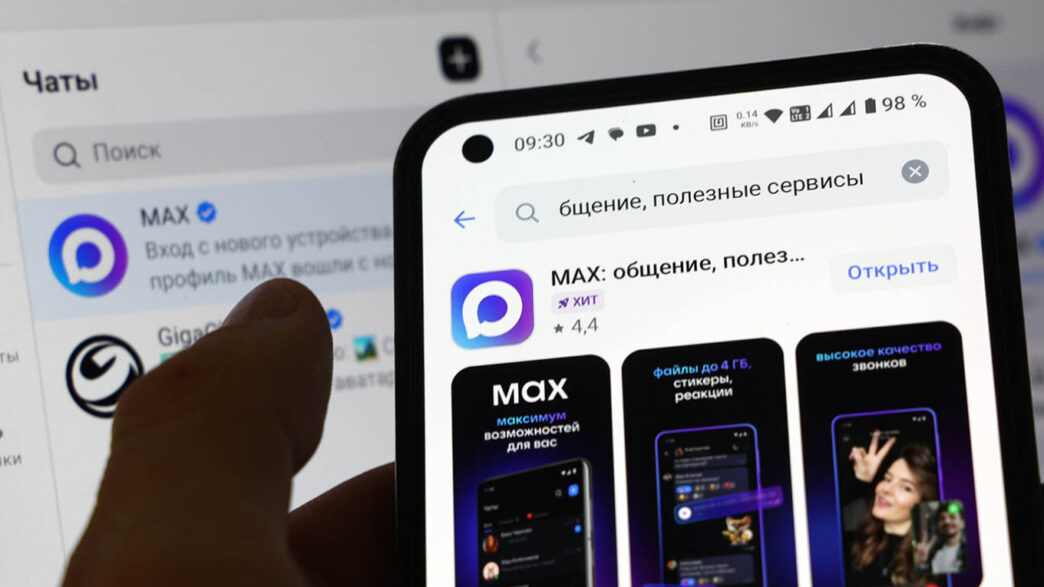
The move aims to aggressively migrate the Russian population to Max, a state-sanctioned domestic platform that integrates messaging with government services and digital payments.
By slowing Telegram to a crawl, Moscow hopes to make foreign-owned services functionally unusable, mirroring previous “choking” tactics used against WhatsApp and YouTube.
This push for “digital sovereignty” seeks to isolate the Russian internet from global influence, ensuring that data and dialogue remain within the reach of state security services.
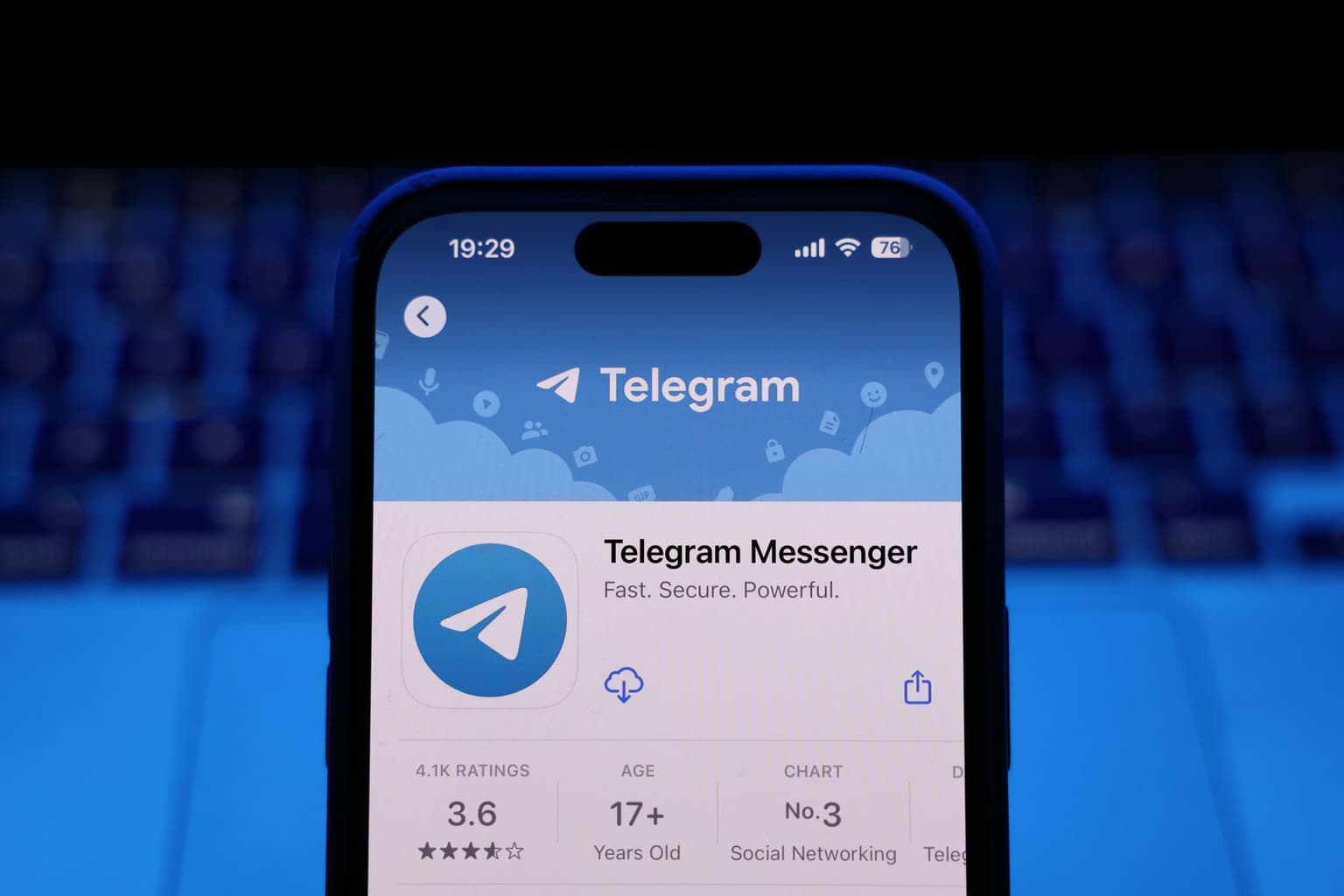
Surprisingly, the crackdown has faced a wave of criticism from Russia’s own pro-war military bloggers and correspondents. These “Z-bloggers” rely almost exclusively on Telegram for frontline reporting, propaganda, and tactical coordination.
They warned that forcing a switch to the domestic Max app would effectively “hobble” Russia’s information operations and hinder the recruitment of foreign sympathisers.
One prominent military channel lamented that the move would leave the outside world informed only by sterile government statements rather than the “boots-on-the-ground” perspectives that currently dominate Russian Telegram.
This latest offensive against Telegram founder Pavel Durov follows a decade of friction.
Read More : Cambodia No ‘Safe Haven’ for Cyberscams – PM
Durov, who founded the app in exile after being forced out of his previous social media venture, VK, has long resisted the Kremlin’s demands for encryption backdoors.
While Russia famously failed to block Telegram in 2018, the current “phased restriction” strategy suggests a more sophisticated technical approach designed to erode the app’s utility gradually.
As users across Russia report lagging downloads and connectivity issues, the battle for control over the nation’s digital narrative has moved from the courtroom to the infrastructure itself.