Trending
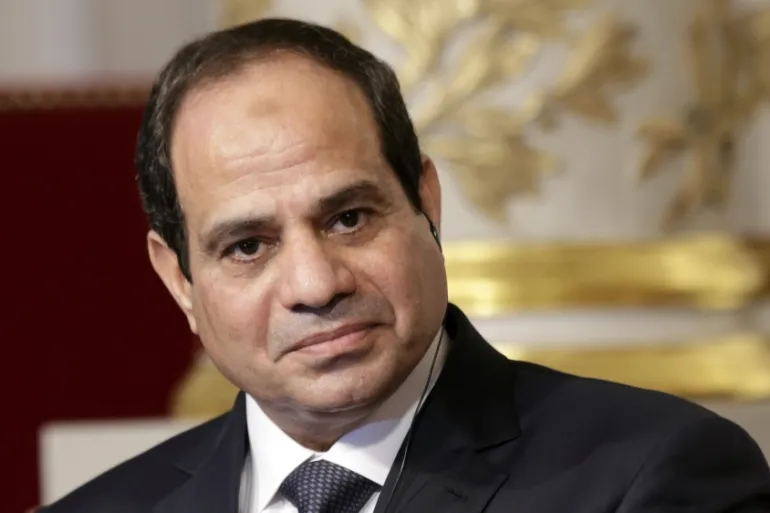
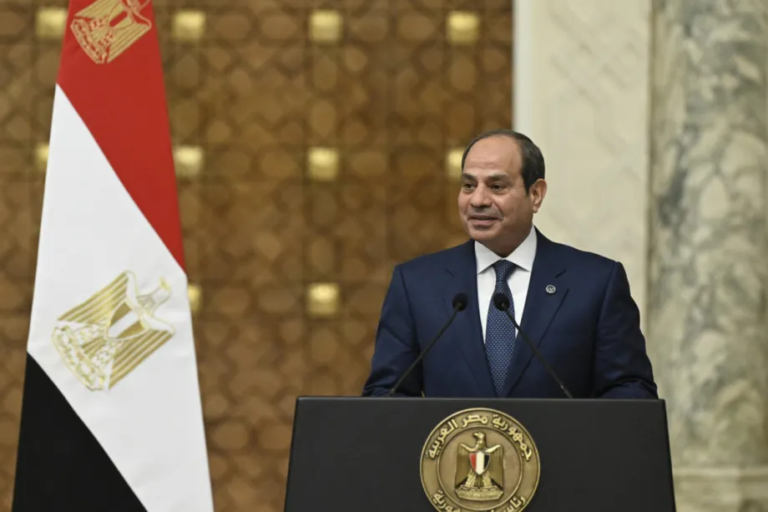
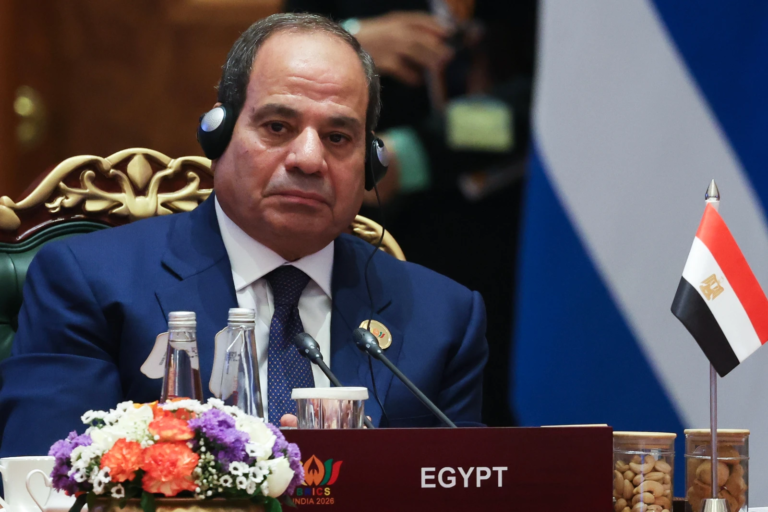
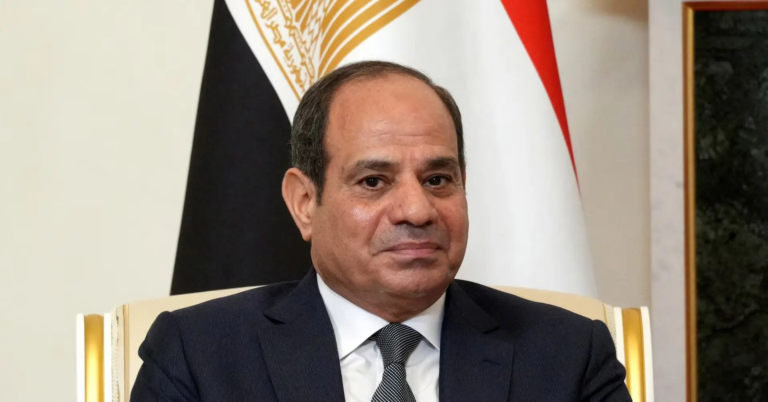
Egypt’s parliament has authorised a significant cabinet reshuffle proposed by President Abdel Fattah al-Sisi, introducing 14 new ministers in a move aimed at revitalising the nation’s struggling economy.
A central feature of this reorganisation is the creation of a high-level deputy prime minister for economic affairs post, filled by Hussein Issa, the former head of the parliament’s budget committee.
The appointment signals a more centralised approach to fiscal policy as the government navigates mounting debt and investment hurdles.
Read More : Egypt to Host Africa Business Summit
The reshuffle also marks a notable shift in the state’s relationship with the media through the revival of the Ministry of Information.
Dissolved several times since the 2011 uprising to allow for independent regulatory bodies, the ministry returns under the leadership of Diaa Rashwan.
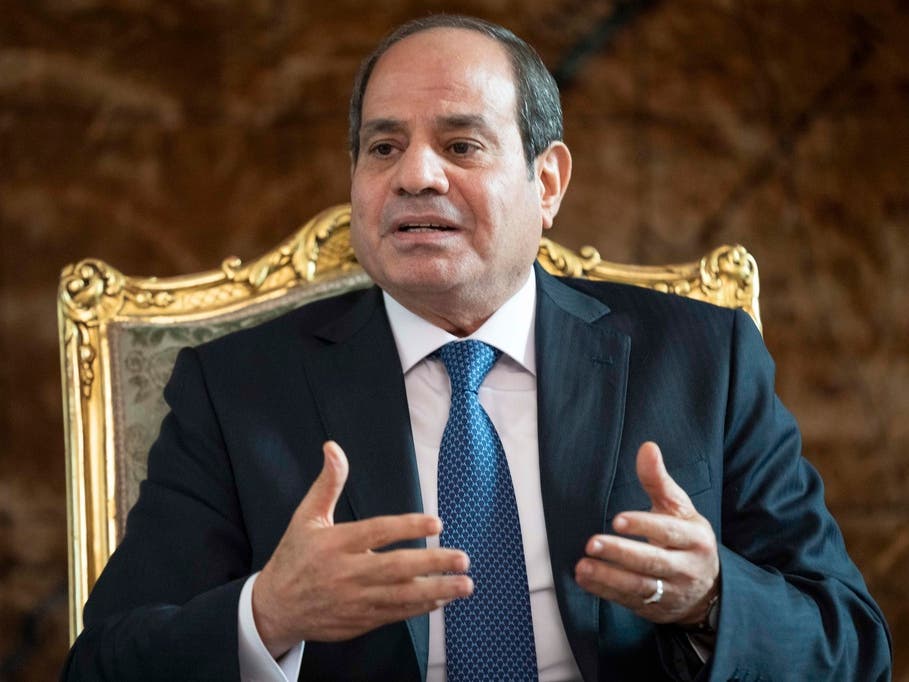
This move is widely interpreted as an effort by the presidency to consolidate media policy and tighten the state’s messaging apparatus during a period of regional and domestic sensitivity.
To improve administrative efficiency, several massive “super-ministries” were broken apart into specialised portfolios.
The Ministry of Transport was separated from Industry, allowing Kamel al-Wazir to focus exclusively on the country’s ambitious infrastructure and transit projects.
Similarly, planning was detached from international cooperation, with former World Bank specialist Ahmed Rostom taking over the planning desk while Rania al-Mashat remains in charge of securing foreign partnerships and funding.
Despite these changes to the economic and administrative layers of the government, Egypt’s “sovereign” core remains untouched.
The ministers of Defence, Interior, Foreign Affairs, and Finance all retained their positions, indicating that while the President seeks new energy for trade and investment, the nation’s security and diplomatic strategies remain on their current course.
The new cabinet is expected to be sworn in on Wednesday to begin the immediate implementation of the revised economic roadmap.