Trending
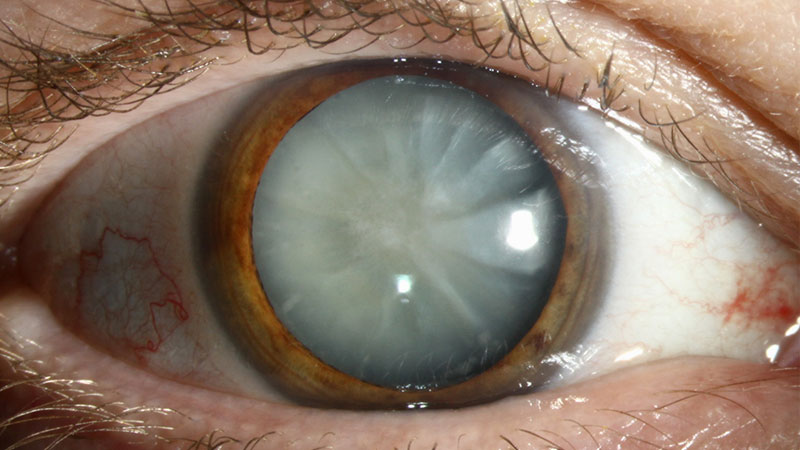
More than 94 million people worldwide are living with cataracts, but about half of those who need surgery are unable to access it, the World Health Organisation (WHO) said Wednesday.
Cataracts, a clouding of the eye’s lens that causes blurred vision and can lead to blindness, are increasing as populations age. Age is the primary risk factor, though prolonged exposure to UV-B light, tobacco use, long-term corticosteroid treatment and diabetes also raise the risk.
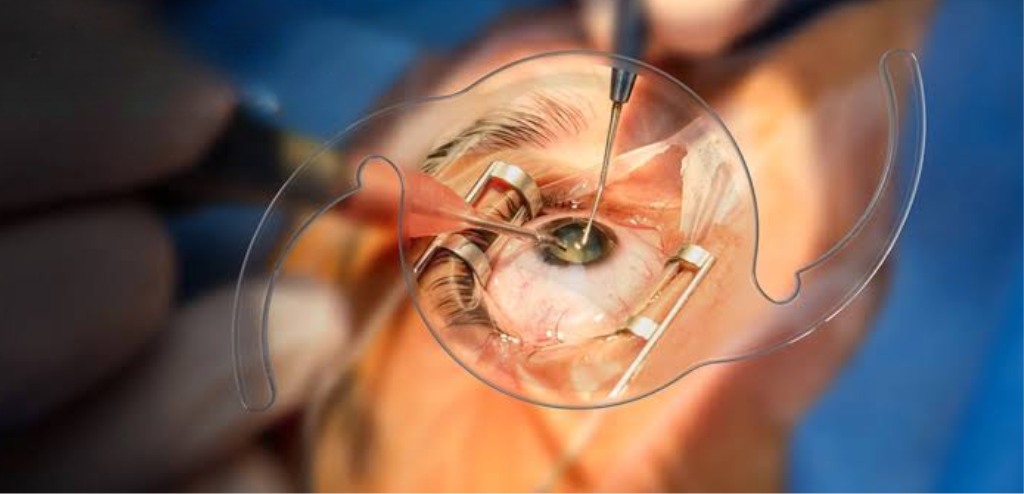
“Cataract surgery — a simple, 15-minute procedure — is one of the most cost-effective medical procedures, providing immediate and lasting restoration of sight,” the WHO said.
In high-income nations, it is one of the most common surgeries. Yet globally, half of those in need do not have access to the operation, said Stuart Keel, the agency’s technical lead for eye care.
The gap is widest in Africa, where three in four people requiring cataract surgery remain untreated. In Kenya, at current rates, 77 percent of people who need surgery are likely to die with cataract-related blindness or vision impairment, Keel said.
Across all regions, women have consistently lower access to surgery than men. Of the 94 million people affected, fewer than 20 percent are blind, while the majority live with impaired vision.
The WHO said global cataract surgery coverage has increased by 15 percent over the past two decades. In 2021, member states agreed to a target of boosting coverage by 30 percent by 2030.
Current projections suggest coverage will rise by only 8.4 percent this decade, falling short of the goal.
To address the gap, the WHO urged countries to integrate eye examinations into primary healthcare systems, invest in surgical equipment, and expand the trained eye-care workforce, particularly in areas outside major cities.
The agency on Wednesday launched new guidance aimed at helping countries provide quality cataract surgery services and strengthen workforce development.
Keel said the main barriers are capacity and financing.
Clearing the global backlog would require additional investment, he said, noting that nearly 100 million people are affected.
“We do need money invested to get rid of this backlog, which is nearly 100 million people,” Keel told a press conference.
The cost of an artificial lens used in surgery can be under $100, but out-of-pocket expenses may be higher where procedures are not covered by health insurance.
“Cataract surgery is one of the most powerful tools we have to restore vision and transform lives,” said Devora Kestel, director of the WHO’s noncommunicable diseases and mental health department.
“When people regain their sight, they regain independence, dignity, and opportunity.”