Trending
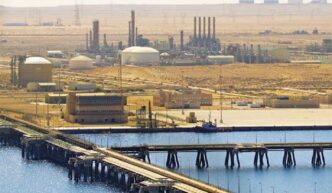
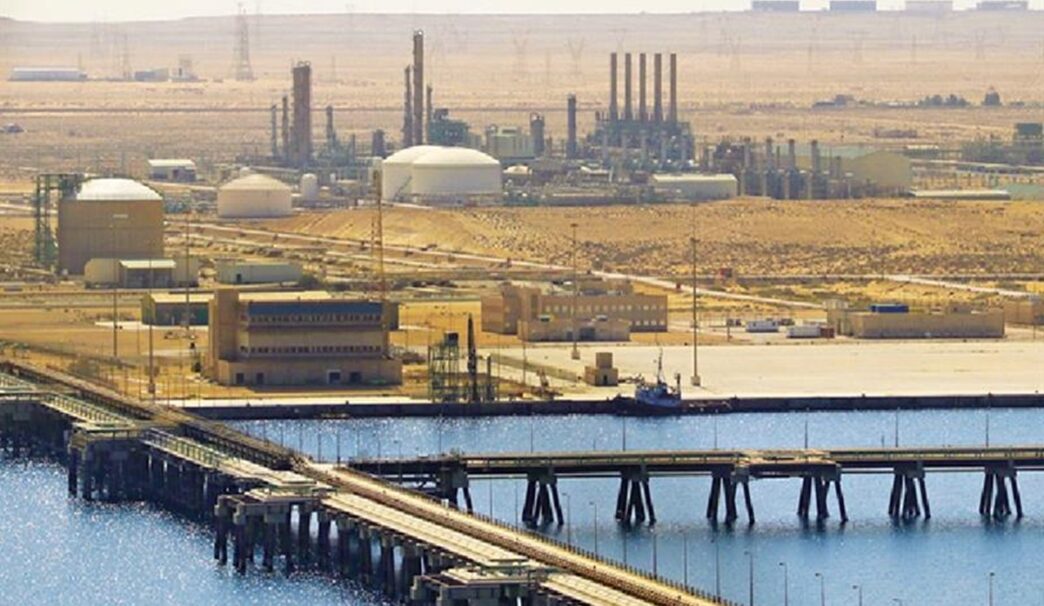
Libya on Wednesday awarded new oil exploration and production licences to several foreign companies for the first time in 17 years, marking a significant step toward reviving investor confidence after years of political turmoil.
The move comes as the North African nation records its strongest oil and gas output and exports since 2011, when a NATO-backed uprising toppled longtime ruler Muammar Gaddafi.
Despite the rebound, Libya remains divided between rival administrations, and instability has continued to weigh on its energy sector.
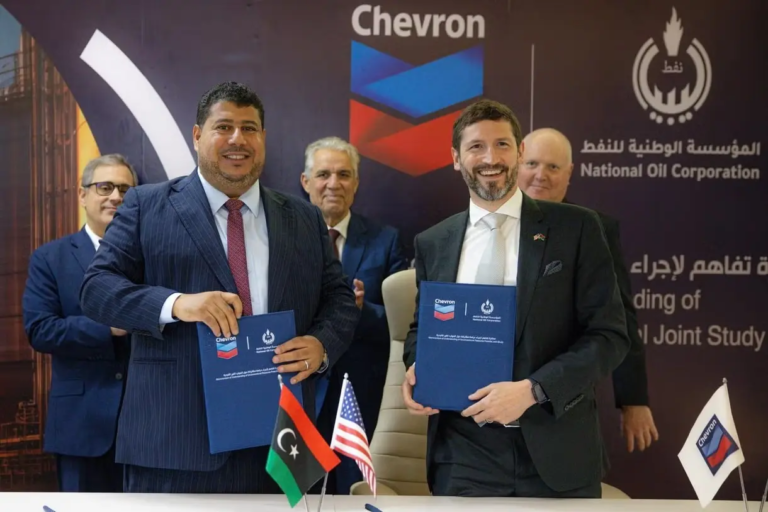
Among the companies that secured blocks in the latest bidding round were US energy major Chevron and Nigeria’s Aiteo, Africa’s largest privately owned energy firm. Other successful bidders included consortia comprising Repsol and BP; Eni North Africa and QatarEnergy; and Repsol alongside Hungary’s MOL Group and Turkiye Petrolleri.
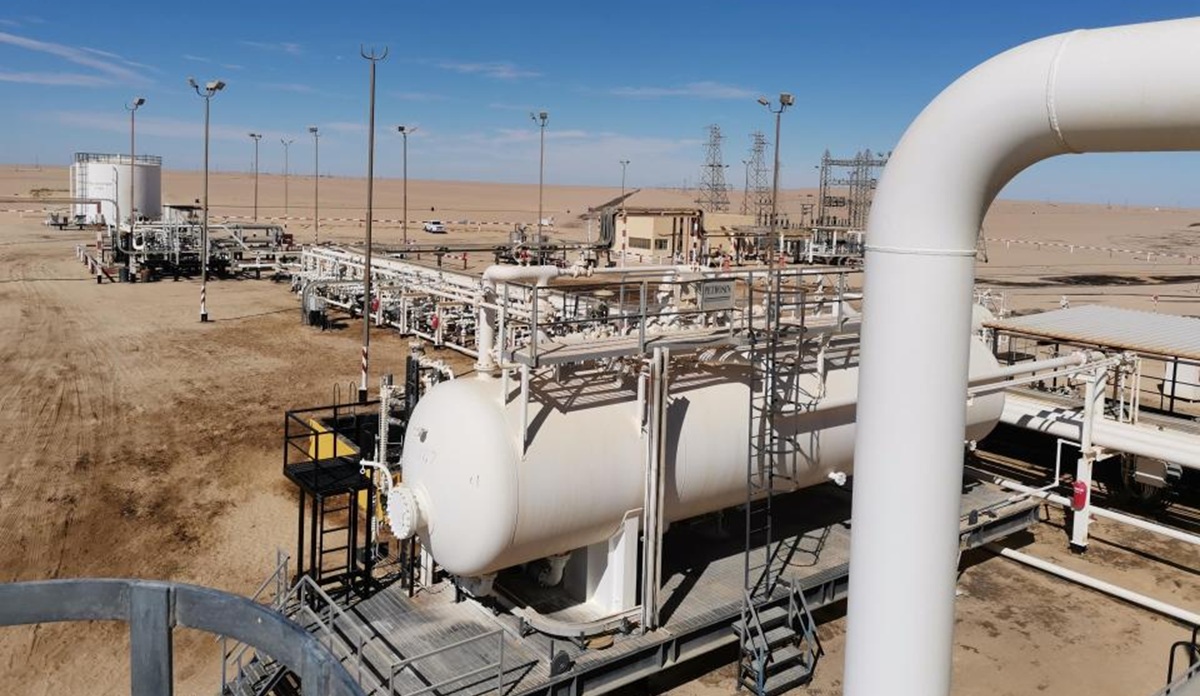
However, only five of the 20 blocks on offer attracted bids. The National Oil Corporation (NOC) said it plans to launch another licensing round later this year.
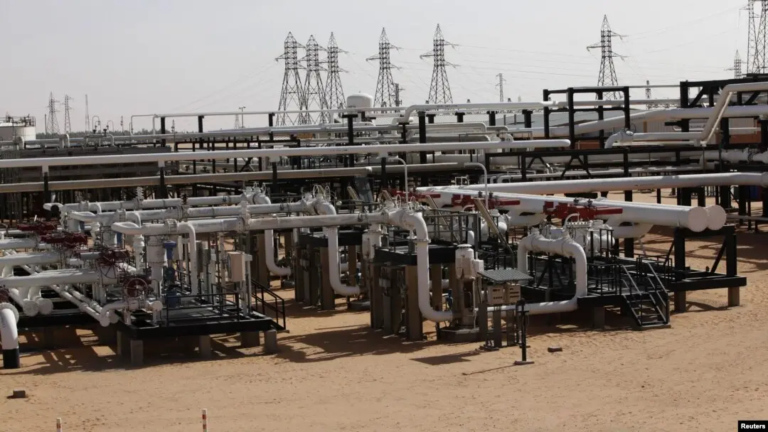
Libya currently produces about 1.5 million barrels of oil per day and holds Africa’s largest proven reserves, estimated at 48.4 billion barrels.
Geoff Porter of North Africa Risk Consulting also characterised the bidding outcome as falling short of expectations.
He pointed to recent agreements involving TotalEnergies and ConocoPhillips, suggesting that direct negotiations with the NOC may offer companies more favourable terms than competitive tenders.
Libya specialist Jalel Harchaoui also described the licensing round as underwhelming. He indicated that a subdued level of interest could signal parallel private negotiations between authorities and other firms outside the formal bidding framework.
According to him, ExxonMobil and other major corporations are already engaged in discussions that could sidestep the structured tender process.
In response, NOC chairman Masoud Suleman announced plans to establish a committee to review and improve bidding terms and to negotiate directly with interested parties for blocks that remain unallocated.
Despite the muted response, Suleman framed the development as a positive step, saying the awards reflect renewed confidence and a resumption of institutional operations in one of Libya’s most critical sectors after years of disruption.
He added that the effort is part of a broader national strategy to restore stability, drive growth, and return the country to normalcy.