Trending
At least 31 people have died after a powerful cyclone tore through Madagascar’s second-largest city, unleashing destructive winds, widespread flooding and severe structural damage, the country’s disaster management agency said on Wednesday in an updated report.
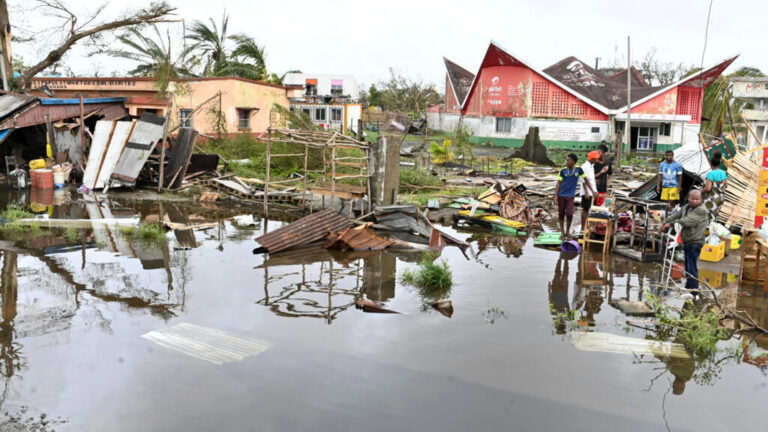
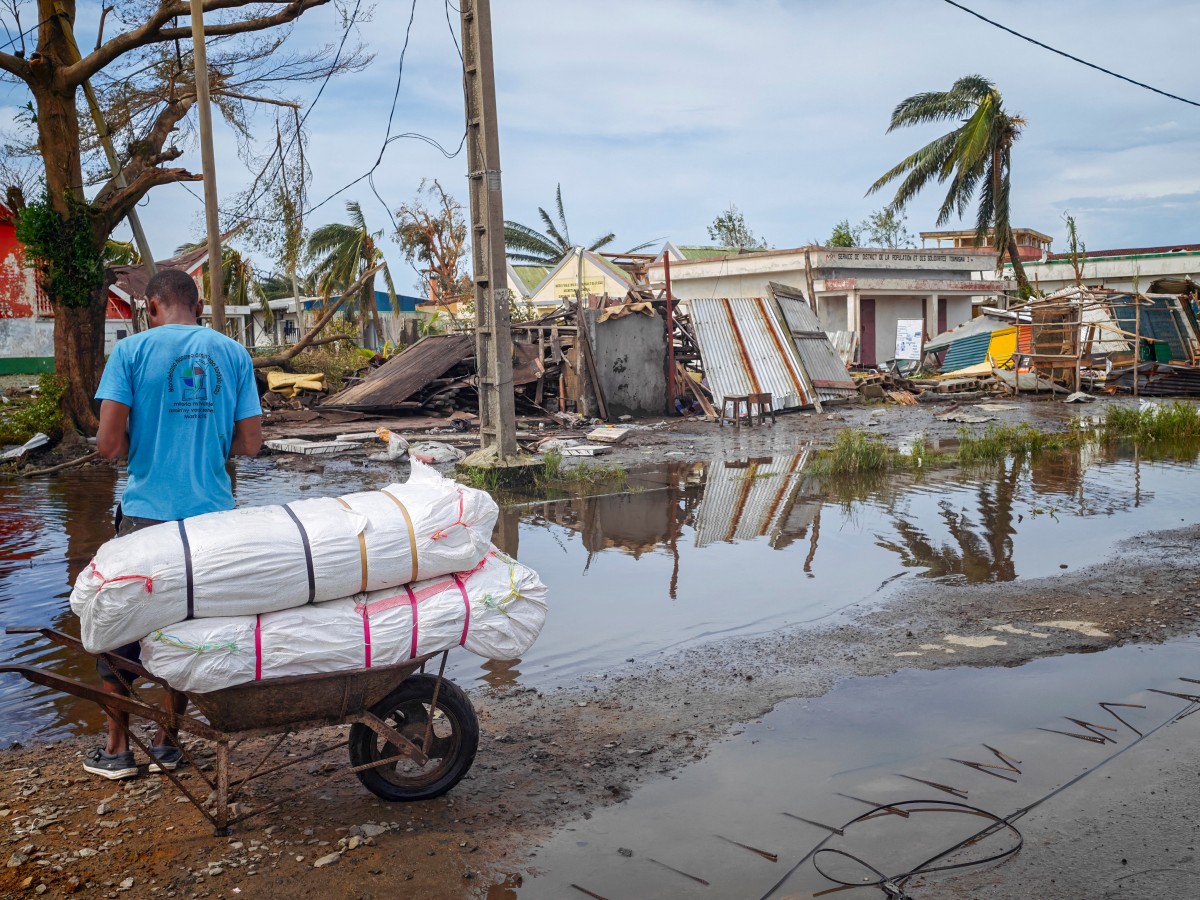
Cyclone Gezani struck on Tuesday, crashing into the port city of Toamasina with winds of up to 250 kilometres (155 miles) per hour. The violent storm ripped roofs from homes and buildings, uprooted trees and submerged entire neighbourhoods.
The National Office for Risk and Disaster Management (BNRGC) said late Wednesday that 31 deaths had been confirmed, many of them caused by collapsing houses. Four people were still missing, while at least 36 others sustained serious injuries. More than 250,000 residents have been affected by the disaster.
Read More : 13 Charged Over Plot Against Madagascar Leader
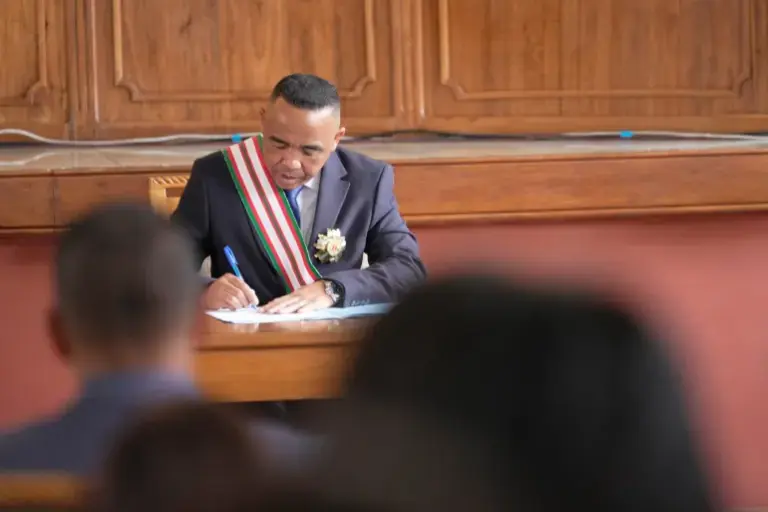
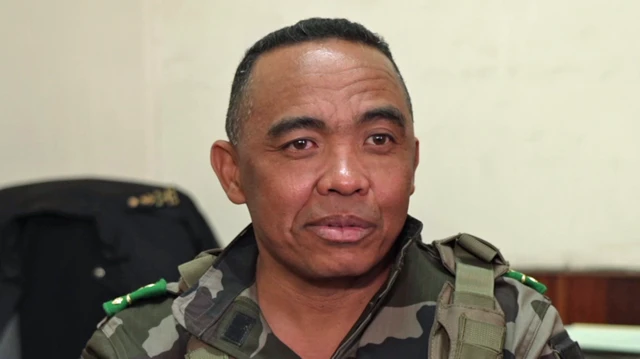
“What happened is a disaster: nearly 75 percent of the city of Toamasina was destroyed,” said Madagascar’s new leader, Colonel Michael Randrianirina. He had travelled to the city ahead of the cyclone’s arrival to coordinate support efforts.
“The current situation exceeds Madagascar’s capabilities alone,” said Randrianirina, who seized power in October, as he appealed to “international partners and donors” to assist the impoverished island nation.
Drone footage released by the BNRGC on social media revealed extensive flooding across the coastal city of about 400,000 people, located roughly 220 kilometres northeast of the capital, Antananarivo. Residents were seen wading through deep water, while numerous buildings stood roofless.
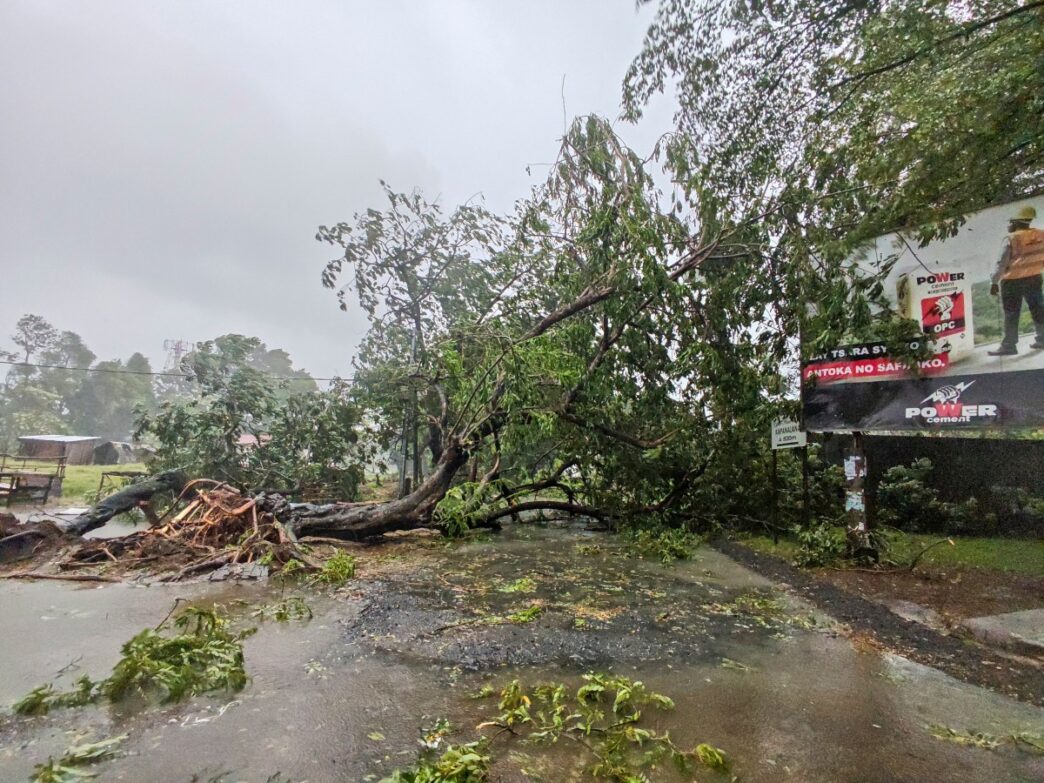
Toamasina bore clear signs of devastation, with streets strewn with fallen trees and debris left behind by the powerful storm.
Read More : Madagascar General Among Suspects in Coup Plot
Authorities said neighbouring areas in the Atsinanana region also suffered significant damage. Assessment teams are continuing to evaluate the full scale of destruction.
“It’s total chaos: 90 percent of house roofs have been blown off, entirely or in part,” said Rija Randrianarisoa, head of disaster management at the humanitarian group Action Against Hunger.
“The roads are completely inaccessible because of trees on the ground, sheet metal,” he told AFP.