Trending
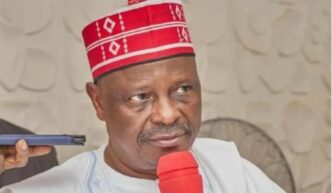
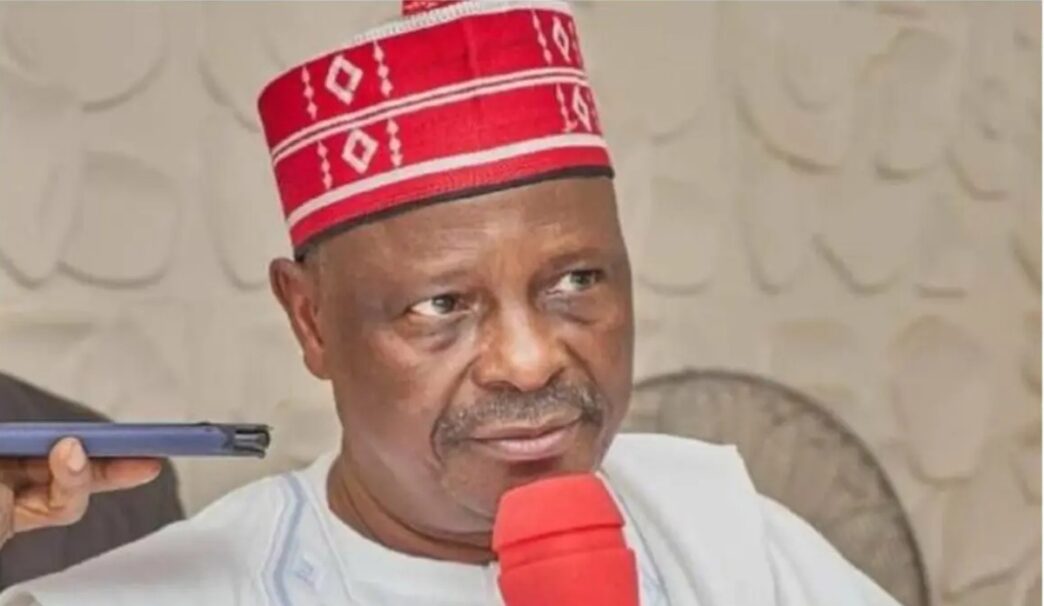
The New Nigeria Peoples Party (NNPP) has criticised a bill introduced by the United States Congress that proposes sanctions against its national leader, Rabiu Kwankwaso, over alleged severe violations of religious freedom.
Reacting in a statement on Wednesday, NNPP National Publicity Secretary Ladipo Johnson rejected the allegations, characterising the move as politically motivated and unfounded. He said the party viewed the development as an orchestrated attempt to tarnish the image of a man who, according to him, has no links to religious extremism.
Johnson argued that Kwankwaso’s public record, both in office and in private life, was open to scrutiny and urged those behind the bill to properly verify facts before concluding.
Read More : Abia Arrests 86 Over Sanitation Violations
He suggested the bill may have been influenced by Kwankwaso’s earlier remarks following US President Donald Trump’s re-designation of Nigeria as a “Country of Particular Concern” over religious persecution.
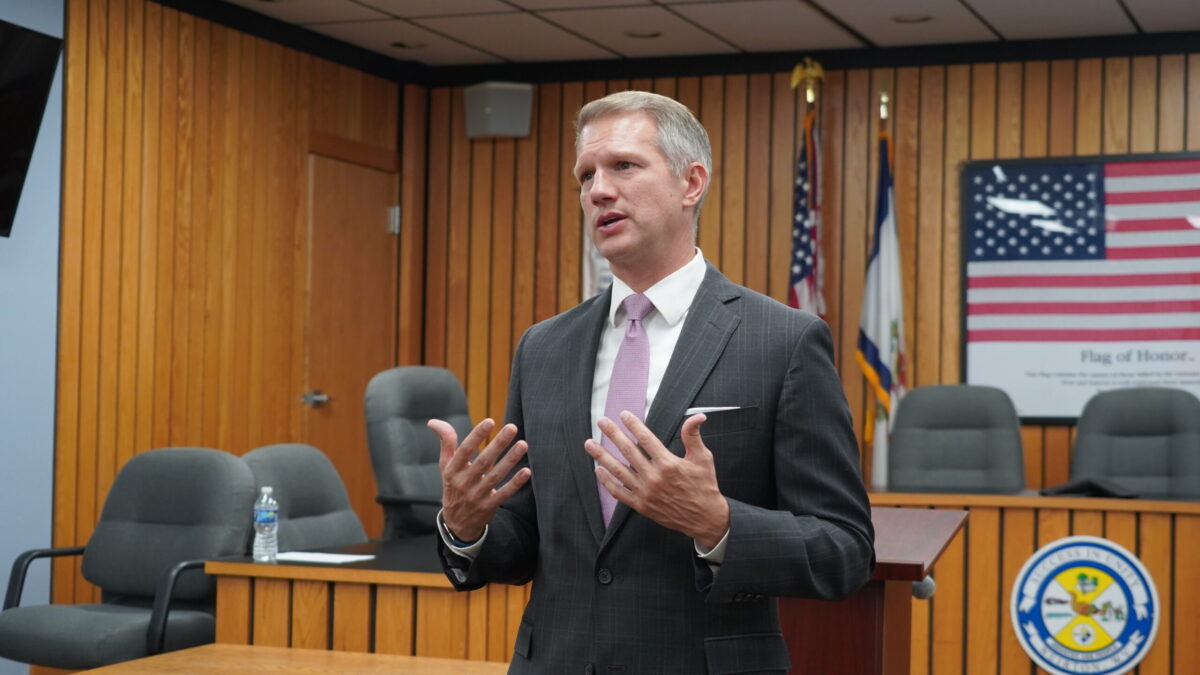
On Tuesday, five US lawmakers introduced legislation in the House of Representatives seeking to require the Secretary of State to submit a detailed report on Washington’s response to what it described as ongoing religious persecution and mass atrocities in Nigeria.
If passed into law, the bill would mandate the Departments of State and Treasury to impose measures such as visa restrictions and asset freezes on individuals or entities found culpable in serious violations of religious freedom in Nigeria.
Those named in the proposal include Kwankwaso, former governor of Kano State; the Miyetti Allah Cattle Breeders Association of Nigeria (MACBAN); Miyetti Allah Kautal Hore; and groups described as Fulani-ethnic nomad militias.
In a post on X (formerly Twitter), Kwankwaso had warned against simplistic portrayals of Nigeria’s security challenges, stressing the country’s sovereignty and the broader threat posed by criminal elements.
The bill’s sponsor, Rep. Riley Moore, had questioned Kwankwaso’s alleged role in what he termed the persecution of Christians, referencing the implementation of full Sharia law in Kano during Kwankwaso’s tenure as governor.
But Johnson faulted the US lawmaker’s position, asking whether the approach was selective.
He noted that the United States maintains diplomatic relations with countries such as Qatar and Saudi Arabia, which also operate under Sharia law.
He further contended that it was noteworthy that Kwankwaso, now an opposition figure who has repeatedly spoken about insecurity in Nigeria, appeared to be the focus of the proposed sanctions.
“Is Rep Moore being fair or selective? Isn’t the US in a good relationship with Qatar and Saudi (both Sharia countries)?” he asked.
Read More : Gbajabiamila Denies PFIPC Allegations
“Isn’t it strange that it is Kwankwaso, an opposition leader that has spoken out so many times about the insecurity under this administration, that the United States now seems to be turning on?”
According to Johnson, during his time as governor, Kwankwaso confronted Boko Haram elements in Kano and maintained cordial relationships with Christian leaders in the state.
Johnson has called on US lawmakers, particularly Riley Moore and Chris Smith, to conduct a thorough and objective investigation into Kwankwaso’s record, expressing confidence that such scrutiny would clear the former governor’s name of what he described as unwarranted accusations.